The Netherlands, despite its small size, is rich in culture, history, and beautiful sights.
The Netherlands is also one of the leading electric vehicle markets, both in Europe and globally.
This is especially true for BEVs, which are the focus ofthe governments zero-emission transport strategy.
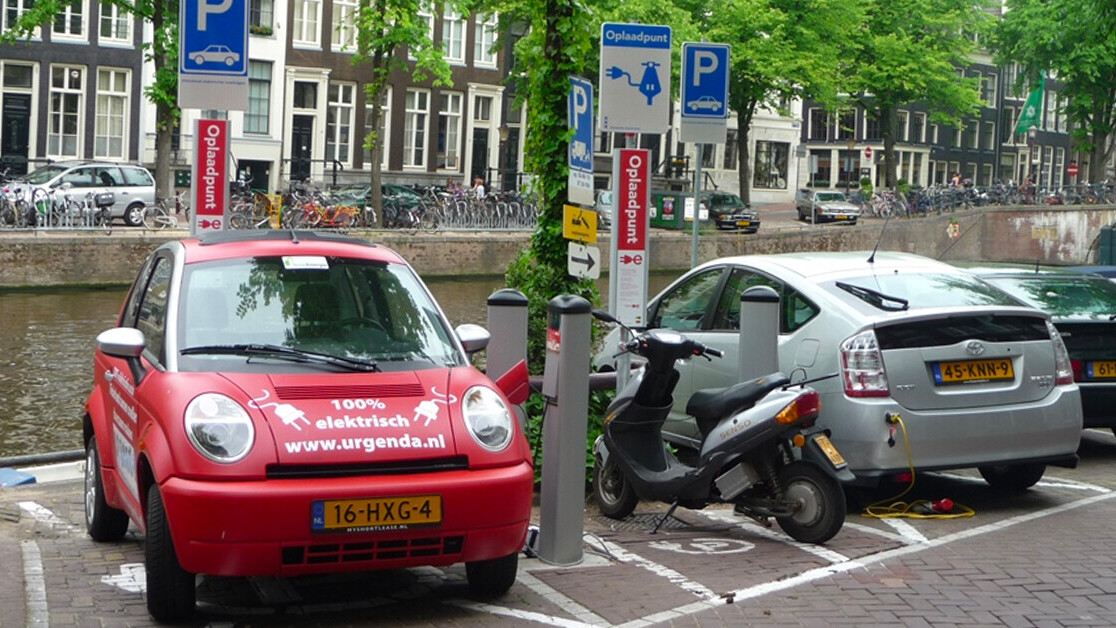
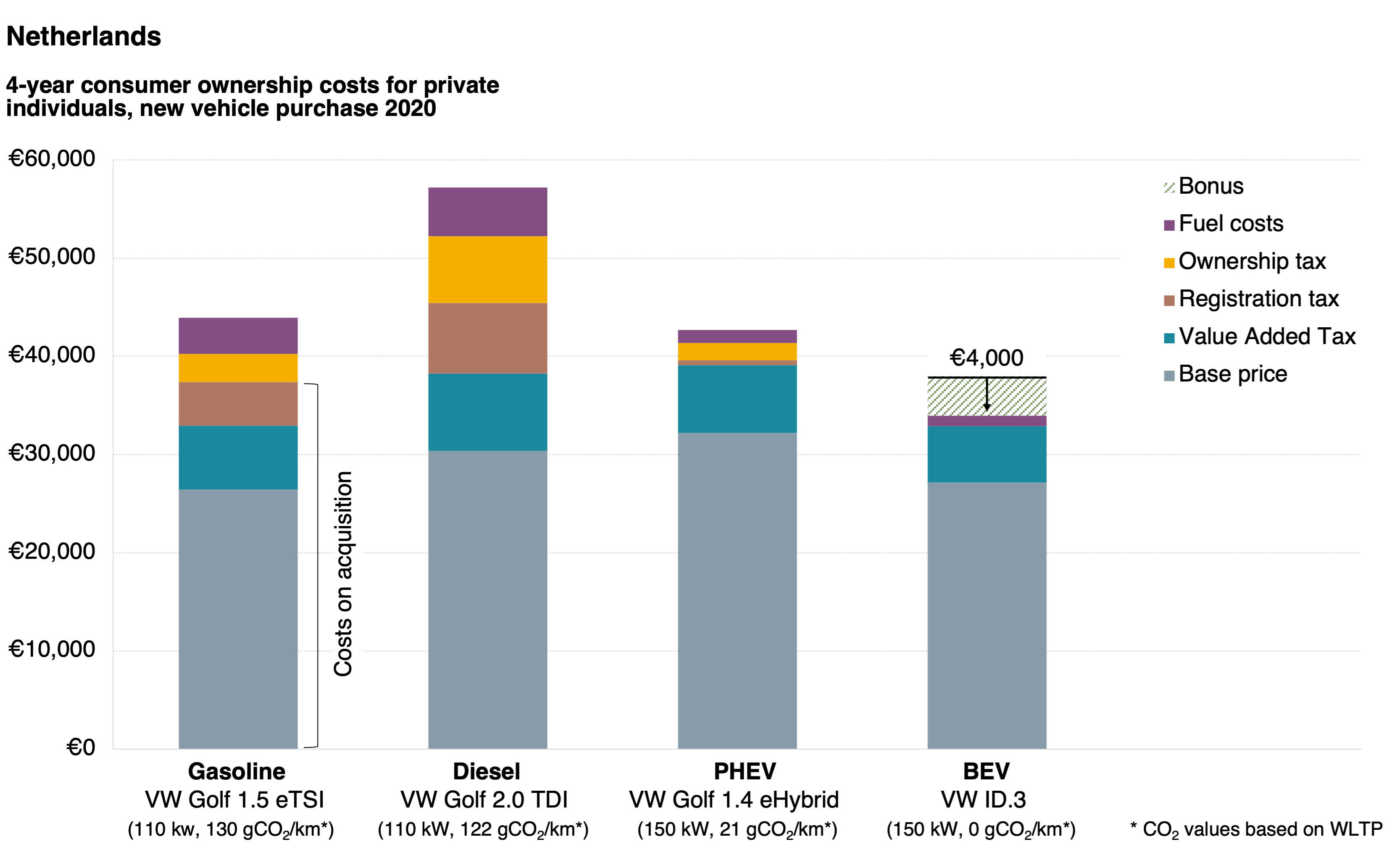
Individuals purchasing or leasing a new battery electric passenger car canclaim back 4,000from the government.
In the case of a second-hand battery electric car, the amount is 2,000.
How do these policies affect the household budget of individuals who want to buy a new car?
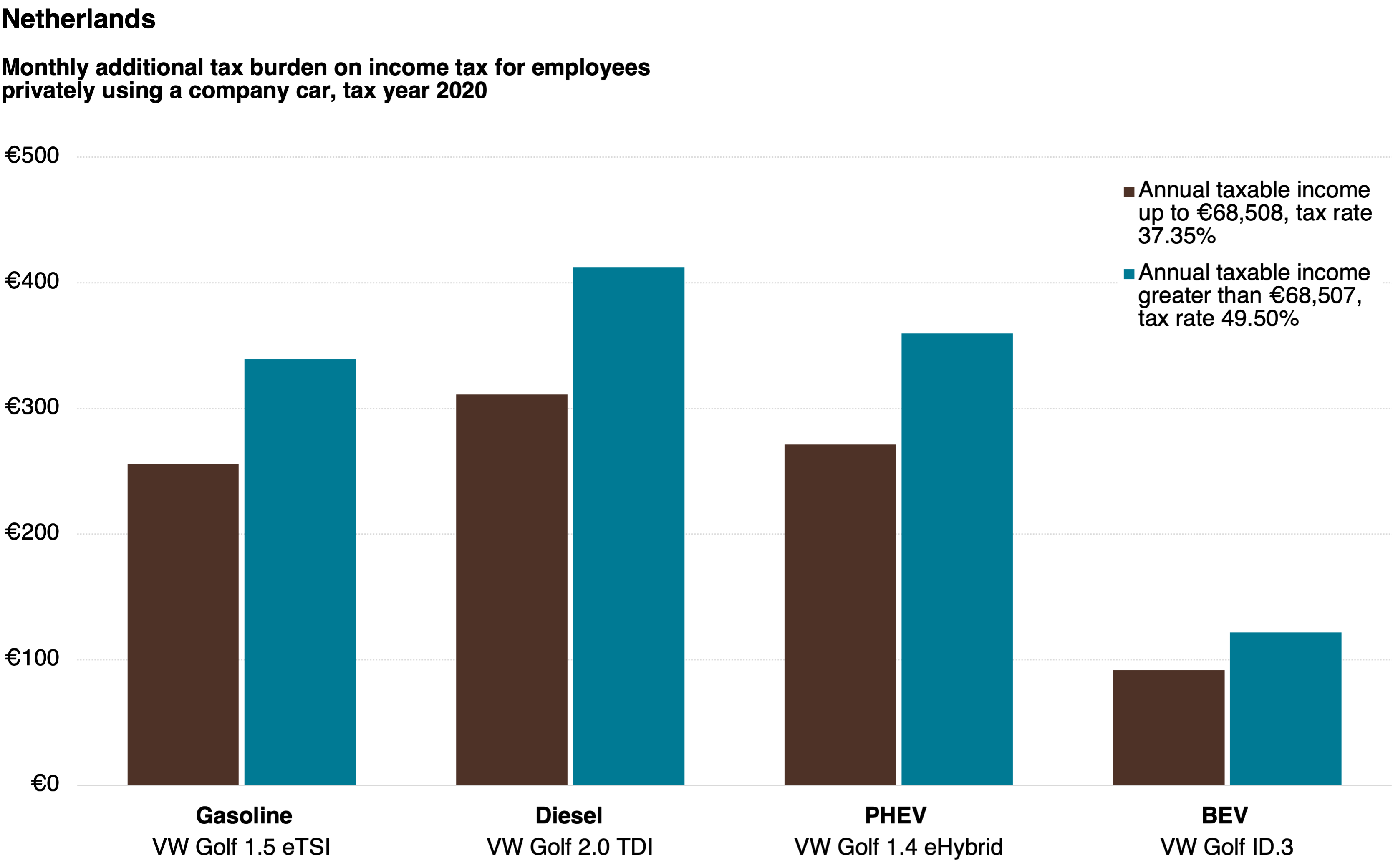
But what about company cars?
Companies also benefit from various incentives if opting for a BEV, including tax deductions for purchases.
Above this threshold, the taxable income rate was 22%.
[Read:How do you build a pet-friendly gadget?
The figure below shows the impacts of these incentives for the tax year 2020.
The effects were also notable for annual taxable incomes below 68,508.
Focusing on costs, private and business consumers in the Netherlands are wise to opt for a BEV.
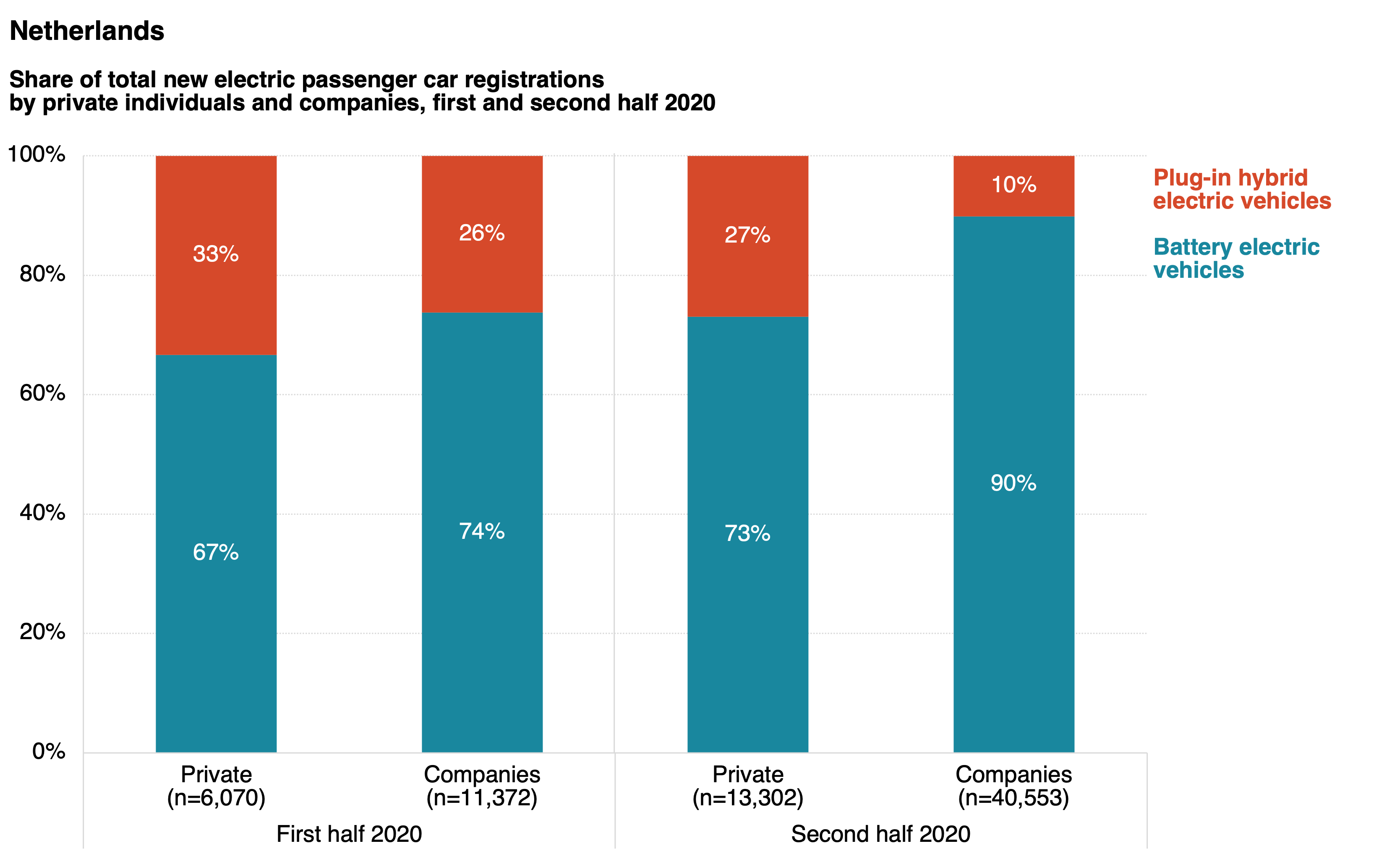
But, is this reflected in the vehicle market?
This finding is not surprising, considering the governments ambition and policies adopted to spur zero-emission vehicles, i.e.
BEVs and fuel cell electric vehicles.
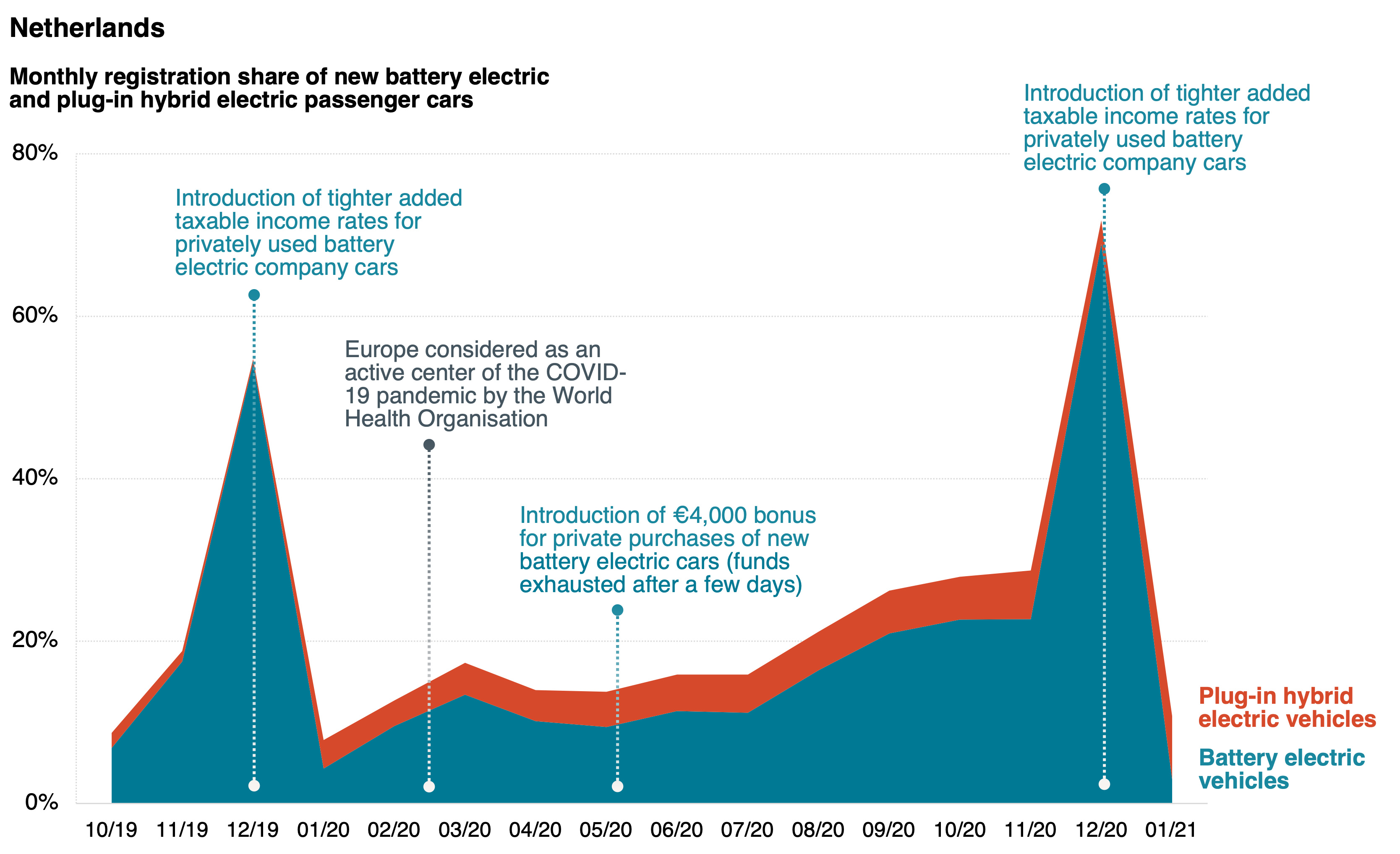
New electric passenger car registrations showed an upward trend in 2020, as shown in the figure below.
The market recovered with continuously increasing shares higher than 20% starting in August.
These activities are flanked by additional actions.
The Netherlands has thehighest number of public charging points for electric vehicles and per 100 km2in Europe.
In addition, cities such asAmsterdamare aiming to have all traffic throughout the city emissions-free by 2030.
The government also aims to have a minimum of 30 citiesimplementing zero-emission zones for urban logistics by 2025.
Beyond policies, consumers can also choose from an increasing number of electric vehicle models for sale.
In 2020, if only looking at BEVs, over60 different models were newly registeredin the country.
Thisarticlewas originally published atTheicctbySandra Wappelhorstand has been republished under Creative Commons.
Do EVs excite your electrons?
Do ebikes get your wheels spinning?
Do self-driving cars get you all charged up?
