A new EU mission has sent some suitably space-age tech into the cosmos.
That may prove a tricky task, as some of the concepts are straight out of a sci-fi movie.
Here are our five favourite projects getting the in-orbit testing.
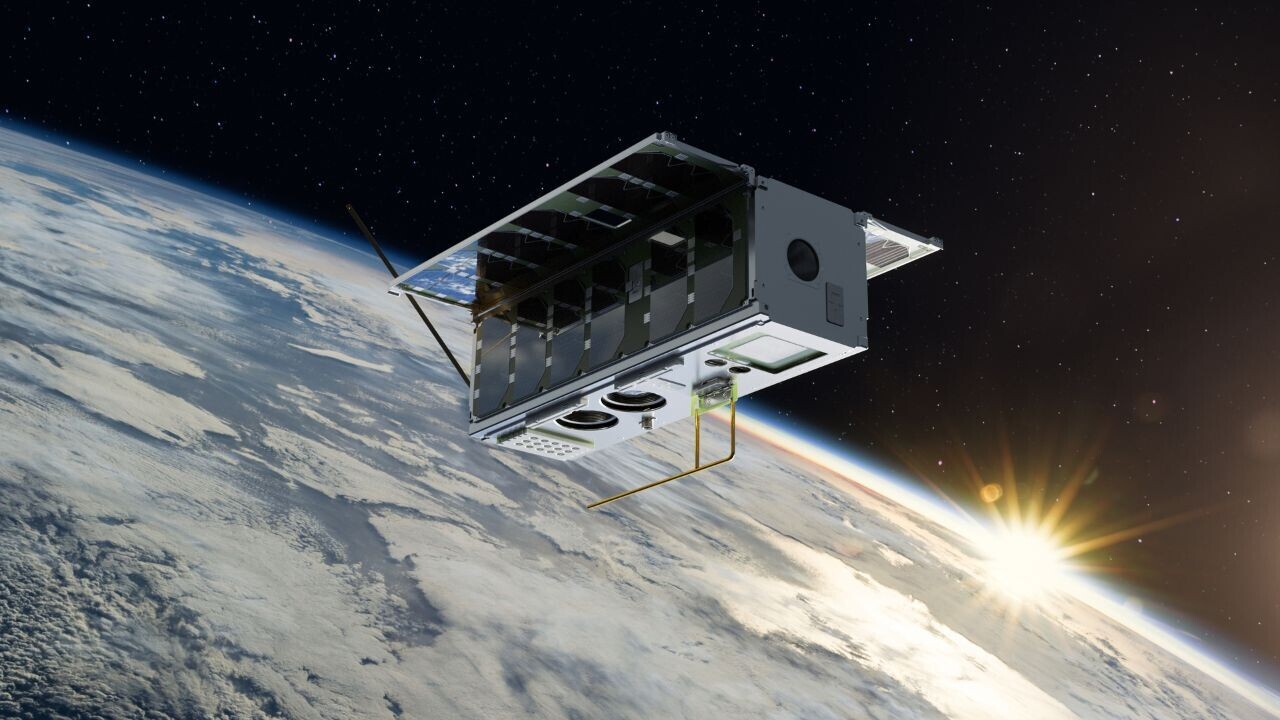
A plasma brake to deorbit satellites
A mini satellite built by Estonian students will demonstrate de-orbiting with plasma brakes.
It’s free, every week, in your inbox.
As a result, thespacejunk loses altitude and burns up in the atmosphere before causing adisaster.

The tech could even one day power spacecraft without fuel.
We dug into the details in a separate article.
Clickherefor our full report on thecosmicdecelerator.
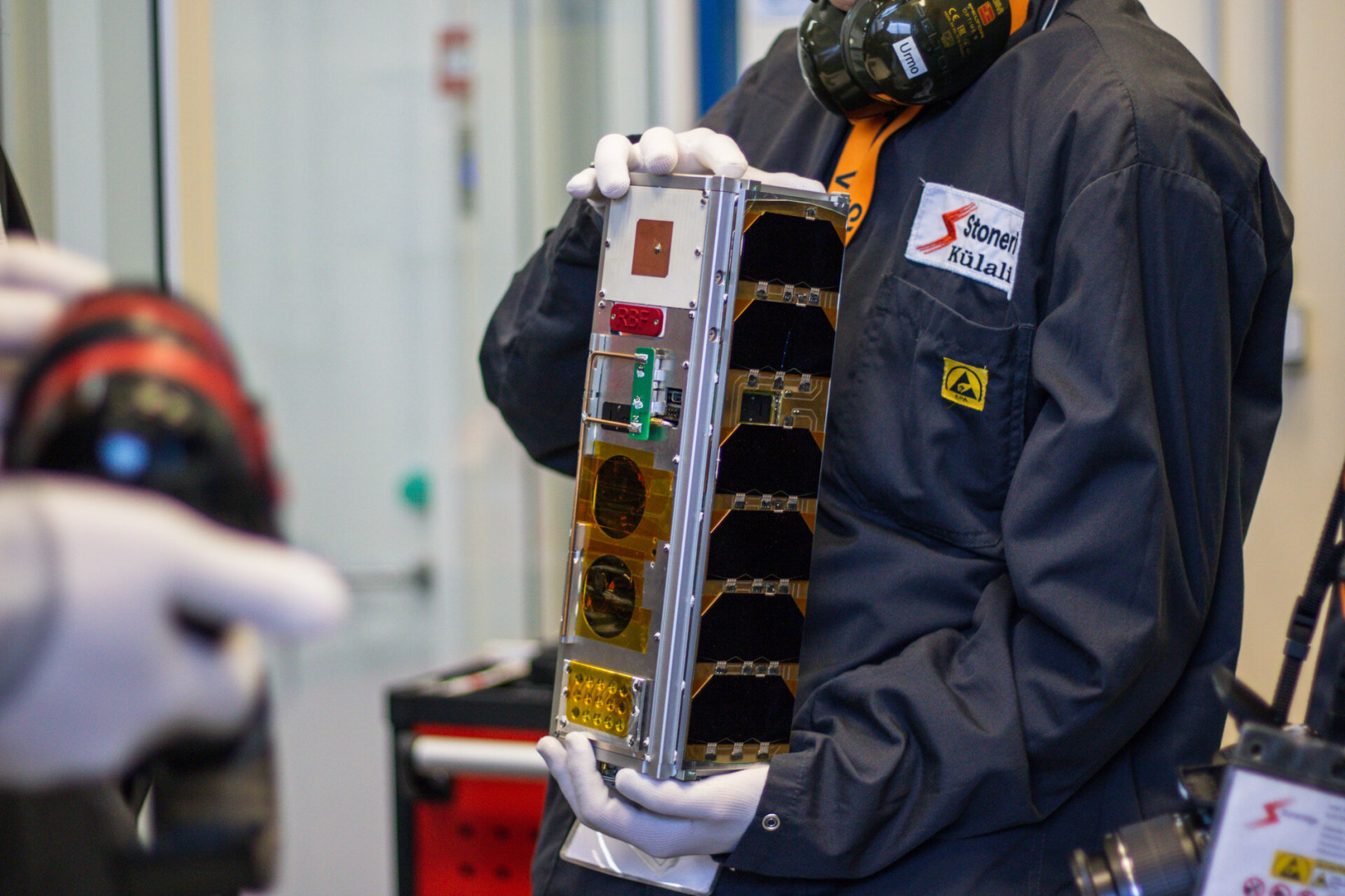
The mission uses a cluster ofminituarised satellites known ascubesats.
Flying in formation, the cubesats will harnessspectrometryto study the water quality of reserves in the Iberian Peninsula.
A plasma jetpack
Plasma is getting a lot of love from EU space boffins.
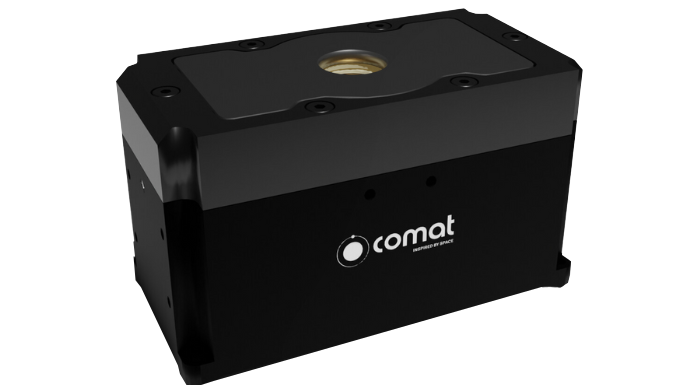
Joining the brake in orbit is a plasma jetpack, which offers low-cost propulsion for small satellites.
The jetpack was created by Comat, a French space equipment manufacturer.
A mini star tracker
Another Spanish contribution is a mini star tracker.
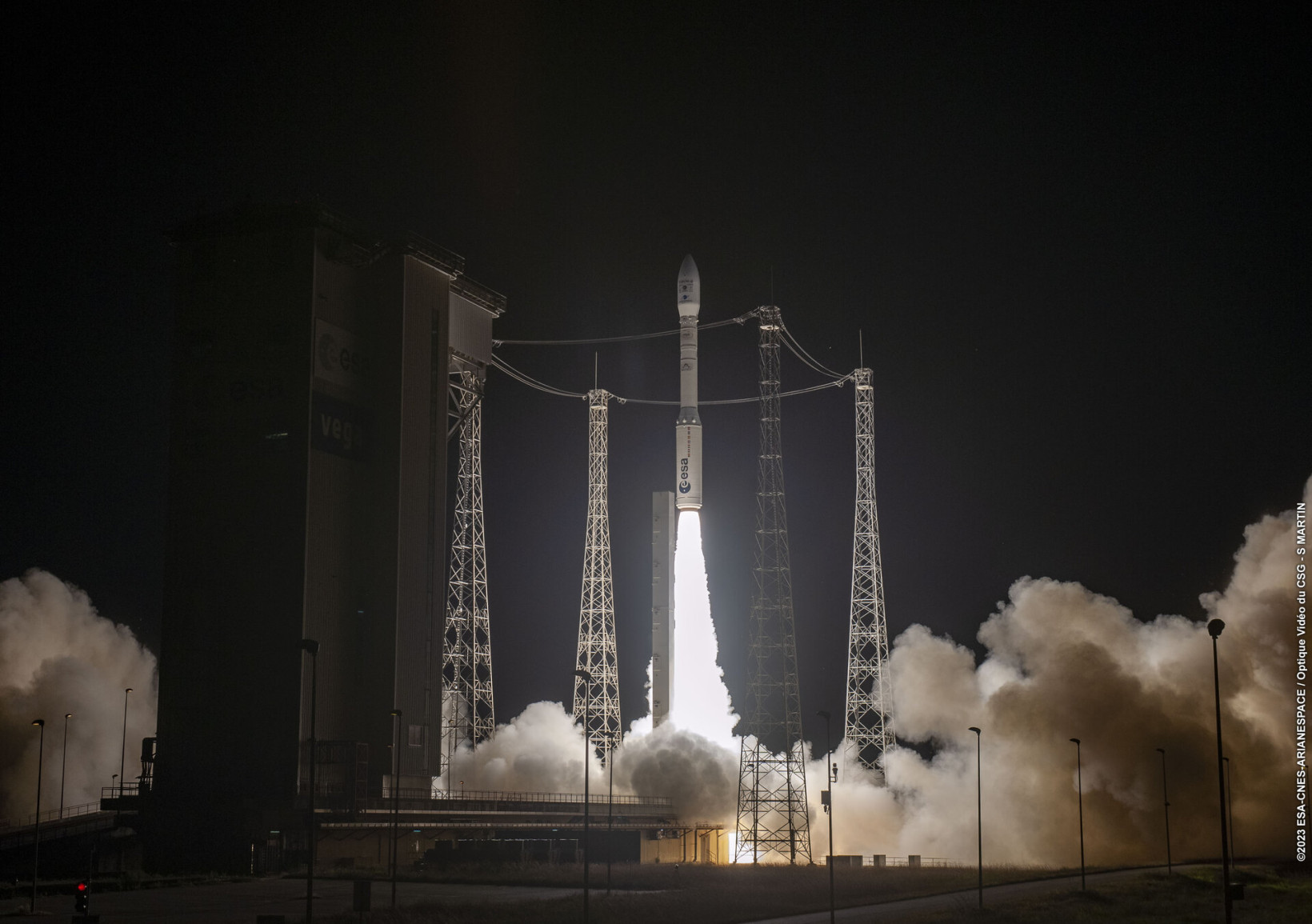
The rig is the brainchild of Solar Mems, an aerospace firm based in Seville.
The tracker is designed for attitude determination,which calculates the orientation of spacecraft.
Spacewill provide a true test of the systems accuracy.
Radiation sensors
Two different radiation sensors will be put through their orbital paces.
One was invented at KU Leuven, Belgiums highest-ranked university.
Named RADIOX, the sensor applies an electronic memory, which monitors errors due to energetic particles.
Radiation intensity is detected by measuring the number of errors in the memory.
The second sensor is the Spacepix Radiation Monitor (SXRM).
Created by Esc Aerospace, a Czech aerospace company, the systemis aradiation detector.
In anorbital radiation field, the detector will measure the flux of electrons, protons, and heavy ions.
EU officials have high hopes for the mission.
They claim it will be the final step before the tech enters the market.
Story byThomas Macaulay
Thomas is the managing editor of TNW.
He leads our coverage of European tech and oversees our talented team of writers.
Away from work, he e(show all)Thomas is the managing editor of TNW.
He leads our coverage of European tech and oversees our talented team of writers.
Away from work, he enjoys playing chess (badly) and the guitar (even worse).
