If youre impressed by Martian rovers and helicopters, wait till you see whats on the horizon.
NASAhas unveiled a range of visionary tech thatcould be used in futurespacemissions.
The new cohort joins an array of innovations that were already in the program.
It’s free, every week, in your inbox.
Heres our pick of the most intriguing ideas.
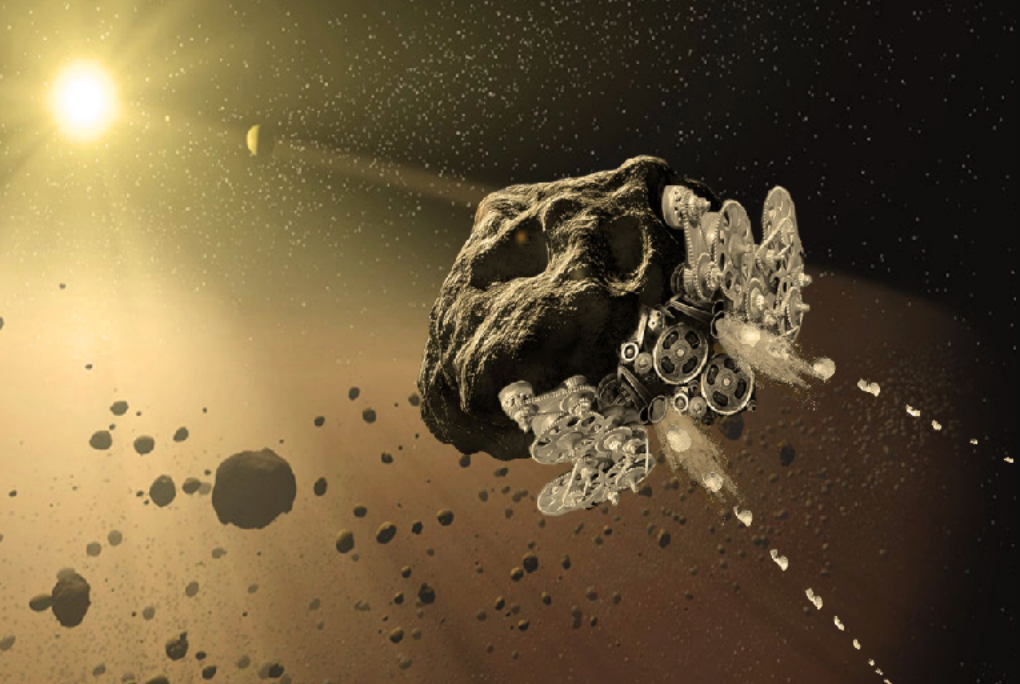
The team plans to use robotic processesto turn asteroid elements into programmed automata.

The idea is to cut the costs of ground launches by manufacturing the tech in outer space.
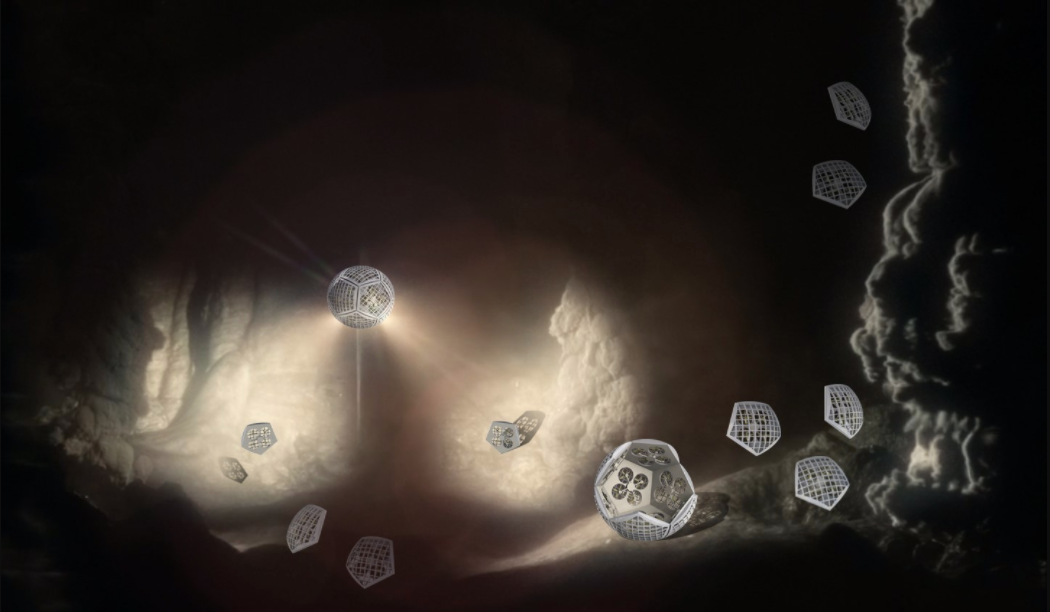
The agency has funded aflying amphibiousrobotthat mutates into different devices.
The proposal envisions the machine globetrotting from Titans rugged cliffs to its deep seafloors.
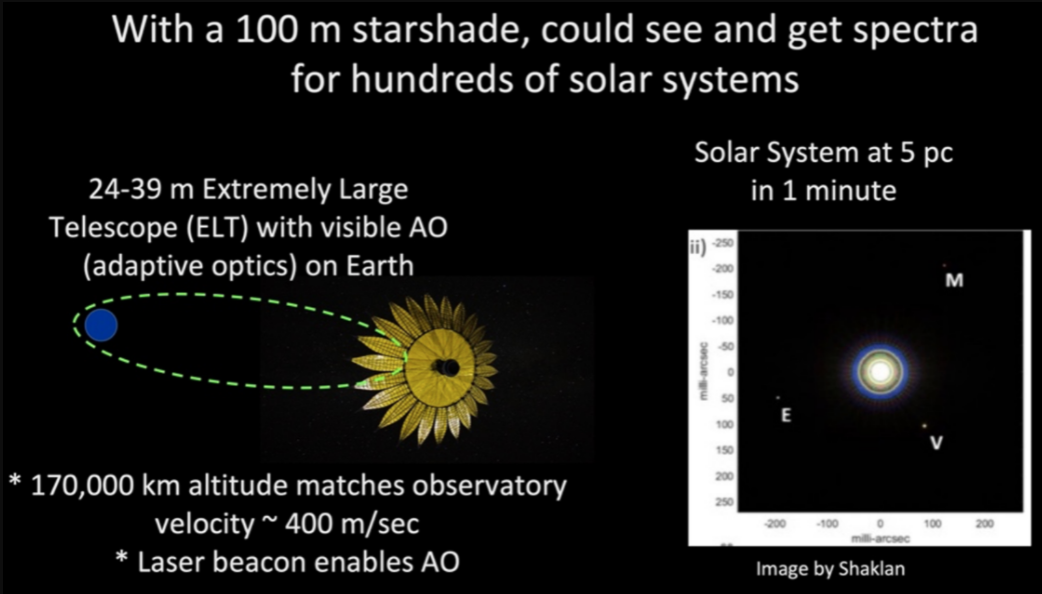
The 100-meter starshadewould match the position and velocity of a moving telescope.
It could then cast a dark shadow over the meddling star without blocking the light of its planets.
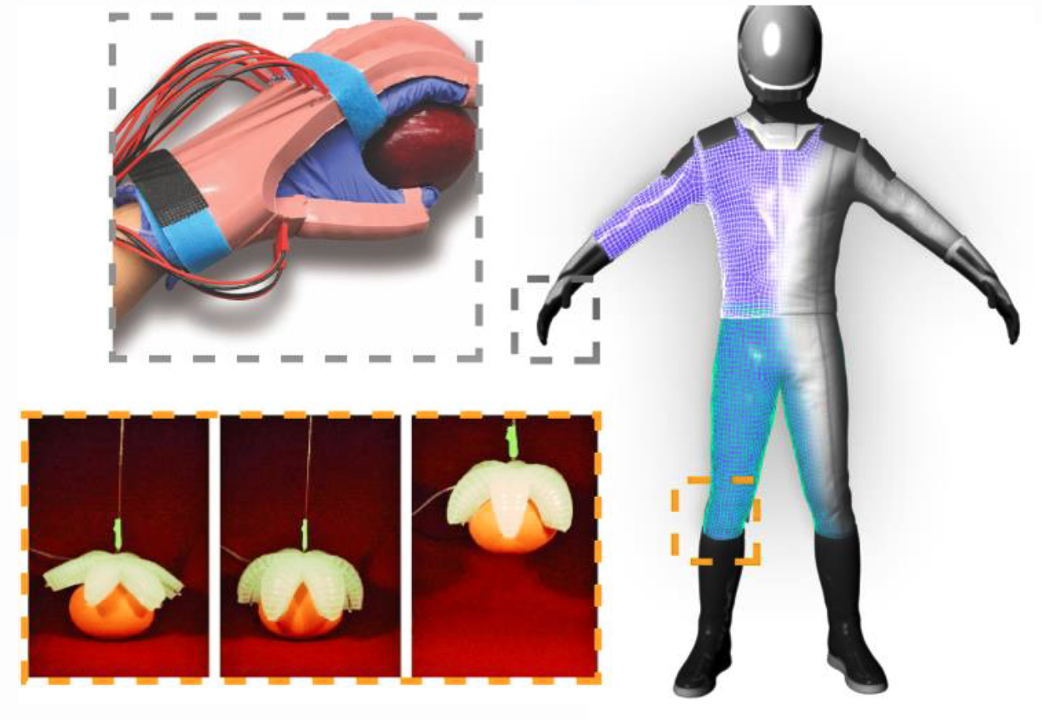
Smart spacesuits with stretchable self-healing skin
NASA haswell-documentedissues with spacesuits.
The current crop is old, cumbersome, and ill-equipped for future missions.
TheSmartSuitis an attempt to upgrade these outfits.
The kits designed specifically for human missions to Mars.
Spacecraft travel at such speeds that even tiny paint flecks can cause damage.
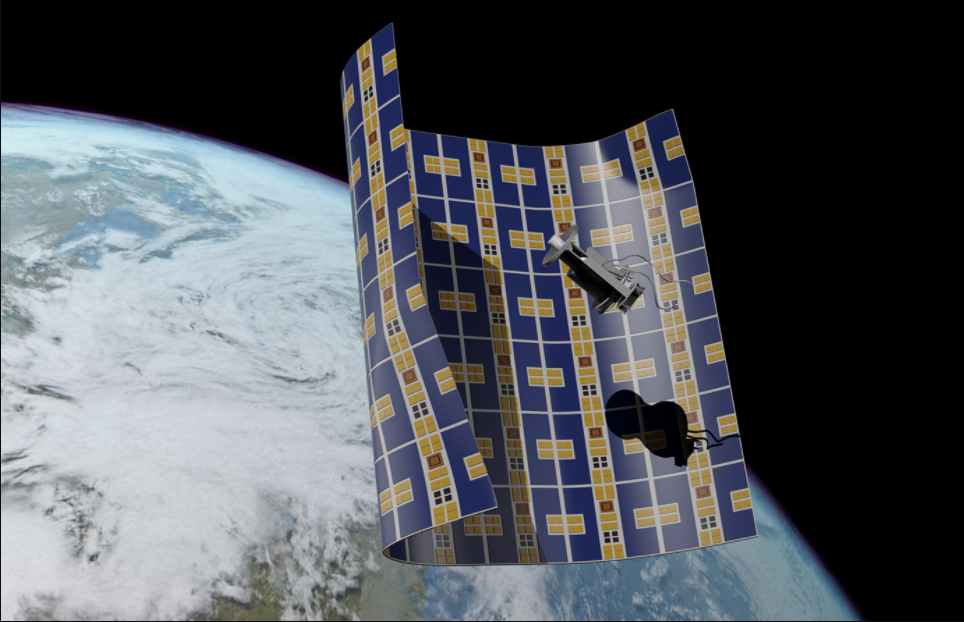
TheBrane Craftis a wafer-thin attempt to clean up this trash.
The equipment wraps around orbiting debris and then lowers it to burn up in Earths atmosphere.
The craft is half the thickness of a human hair and looks like a sheet of paper.
The creators compare it to an automated spot cleaner in space.
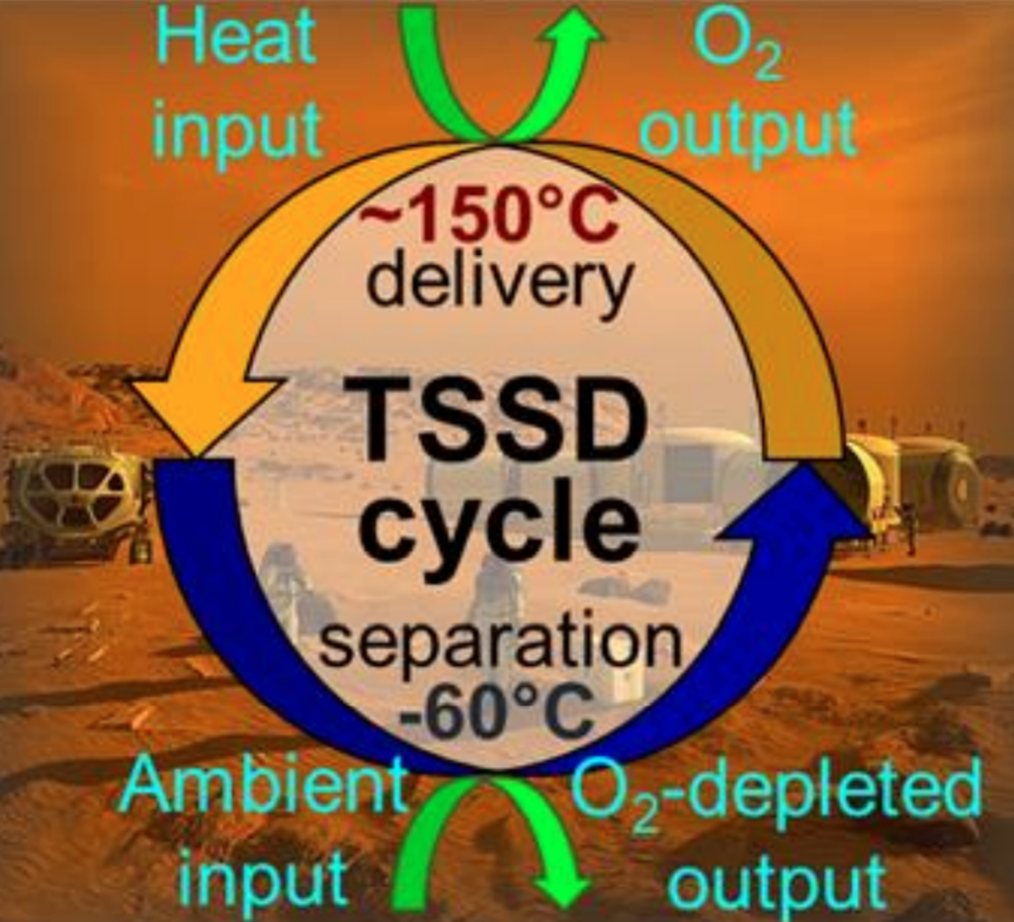
The system uses a process called thermal swing sorption/desorption (TSSD) to generate oxygen from the Martian atmosphere.
Ermanoski says it uses 10x less energy than the leading current methods.
The concept could be a step towards humans breathing on Mars.
Industrializing space with optical mining
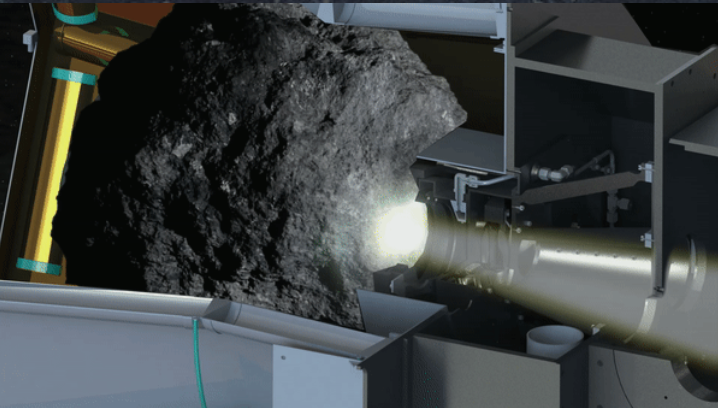
The last proposal on our list involves a technique calledOptical Mining.
The project uses concentrated sunlight to turn asteroid materials into rocket propellants.
This would then supply spacecraft with affordable and accessible fuel.
NASA believes the system could ultimately help industrialize space.
Story byThomas Macaulay
Thomas is the managing editor of TNW.
He leads our coverage of European tech and oversees our talented team of writers.
Away from work, he e(show all)Thomas is the managing editor of TNW.
He leads our coverage of European tech and oversees our talented team of writers.
Away from work, he enjoys playing chess (badly) and the guitar (even worse).
