My switch to a meatless diet was surprisingly painless.
Yet theres one part of my shameful past that I still miss a decade later:
Beef burgers.
Not those pompous grass-fed patties on brioche buns.
Those poseurs can remain on their (shudder) wooden chopping boards.
It’s free, every week, in your inbox.
Until, that is, the arrival of the plant-based revolution.

The uprising is now spreading across jolly old England.
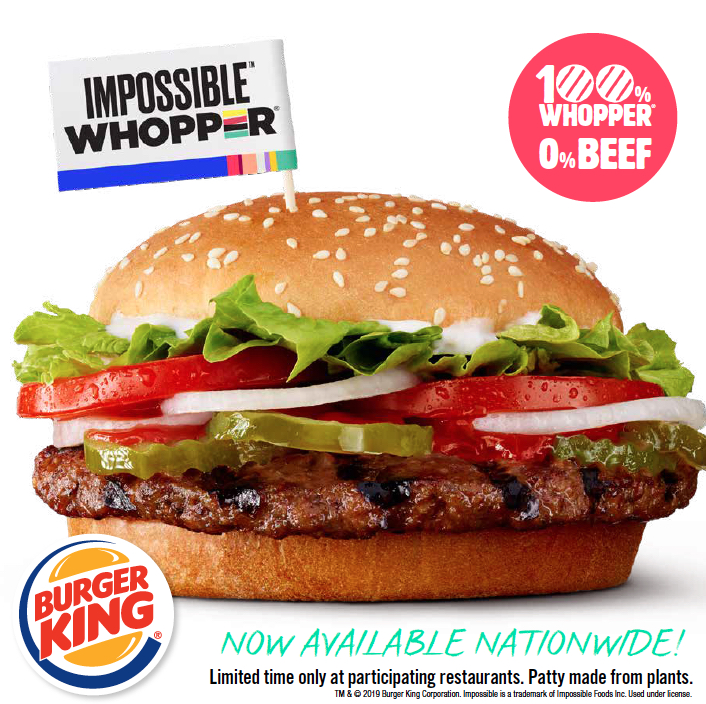
Both Burger King and McDonalds recently launched sumptuous plant-based patties in my cursed homeland.
I soon craved a veggie revamp of my childhood favorite food: steak.
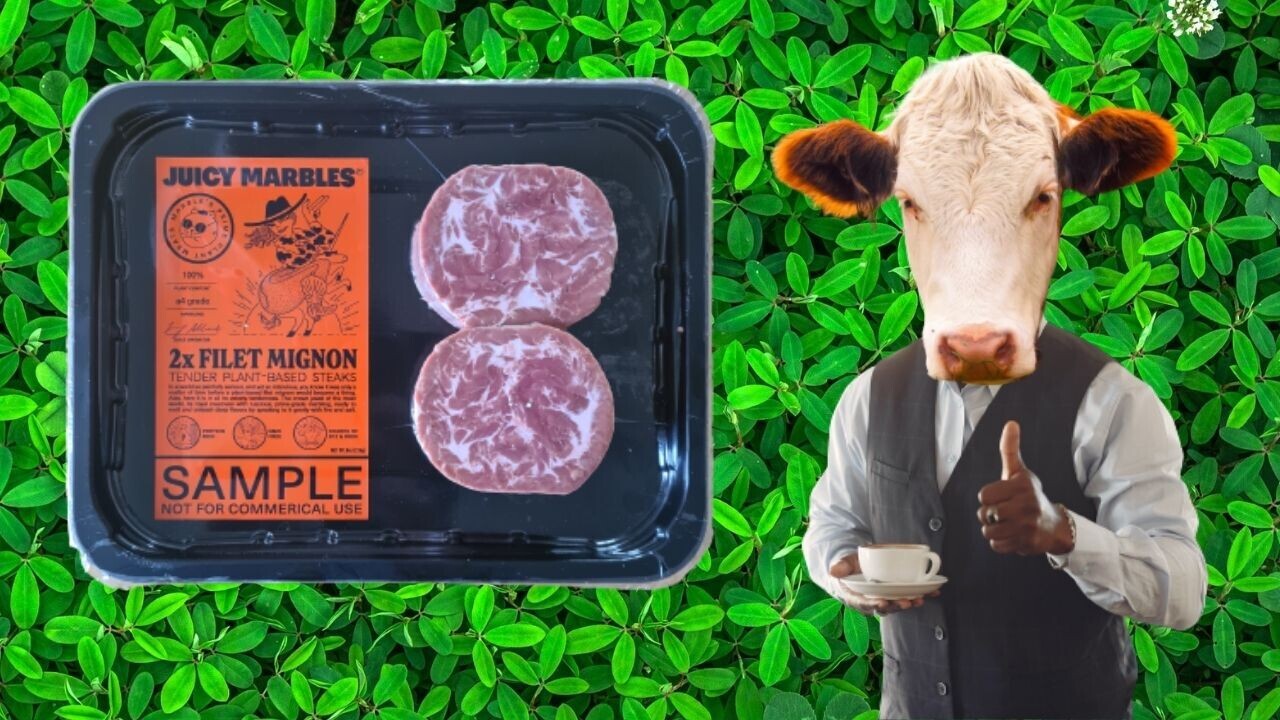
My prayers were soon answered by a startup calledJuicy Marbles.
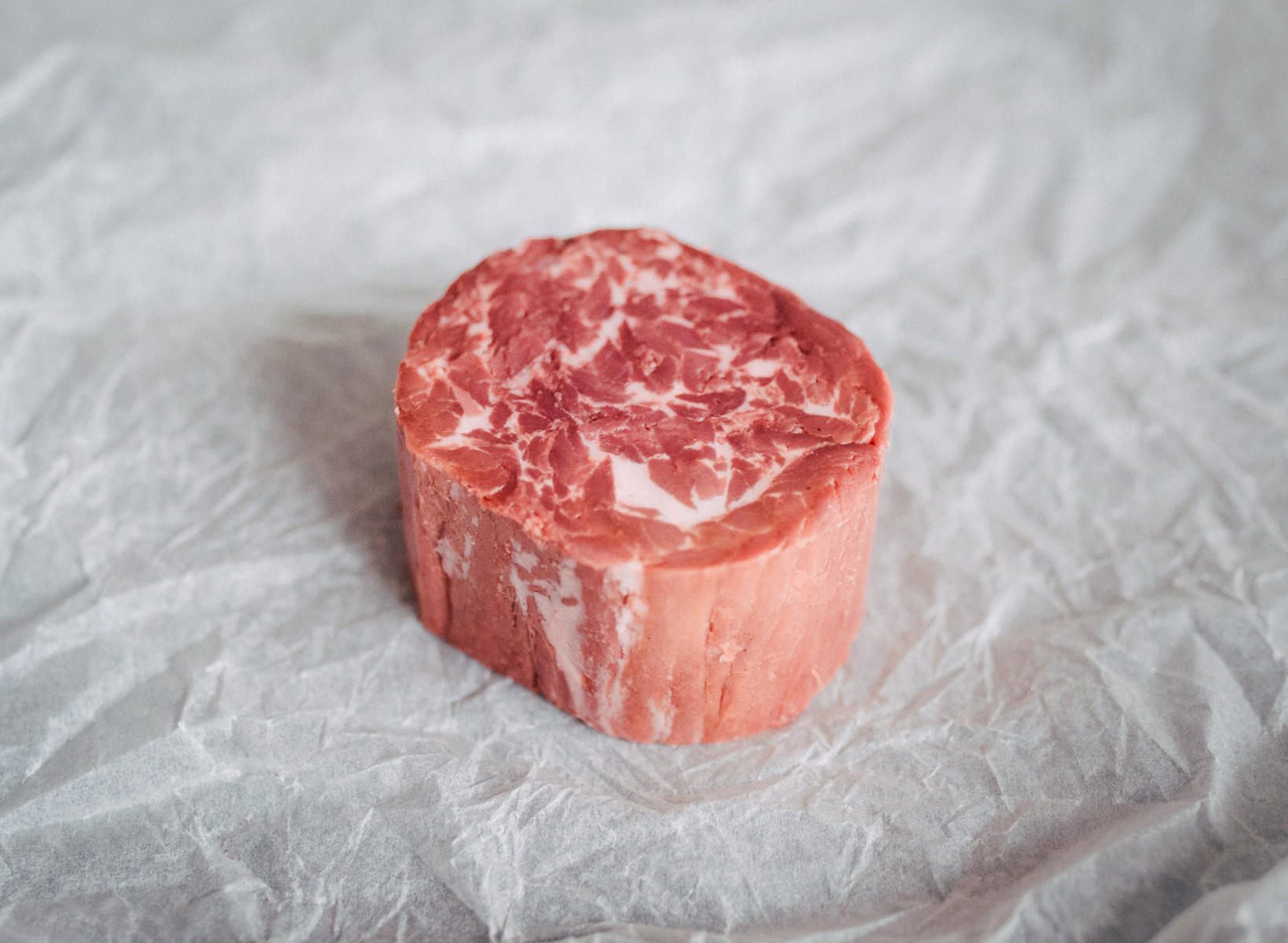
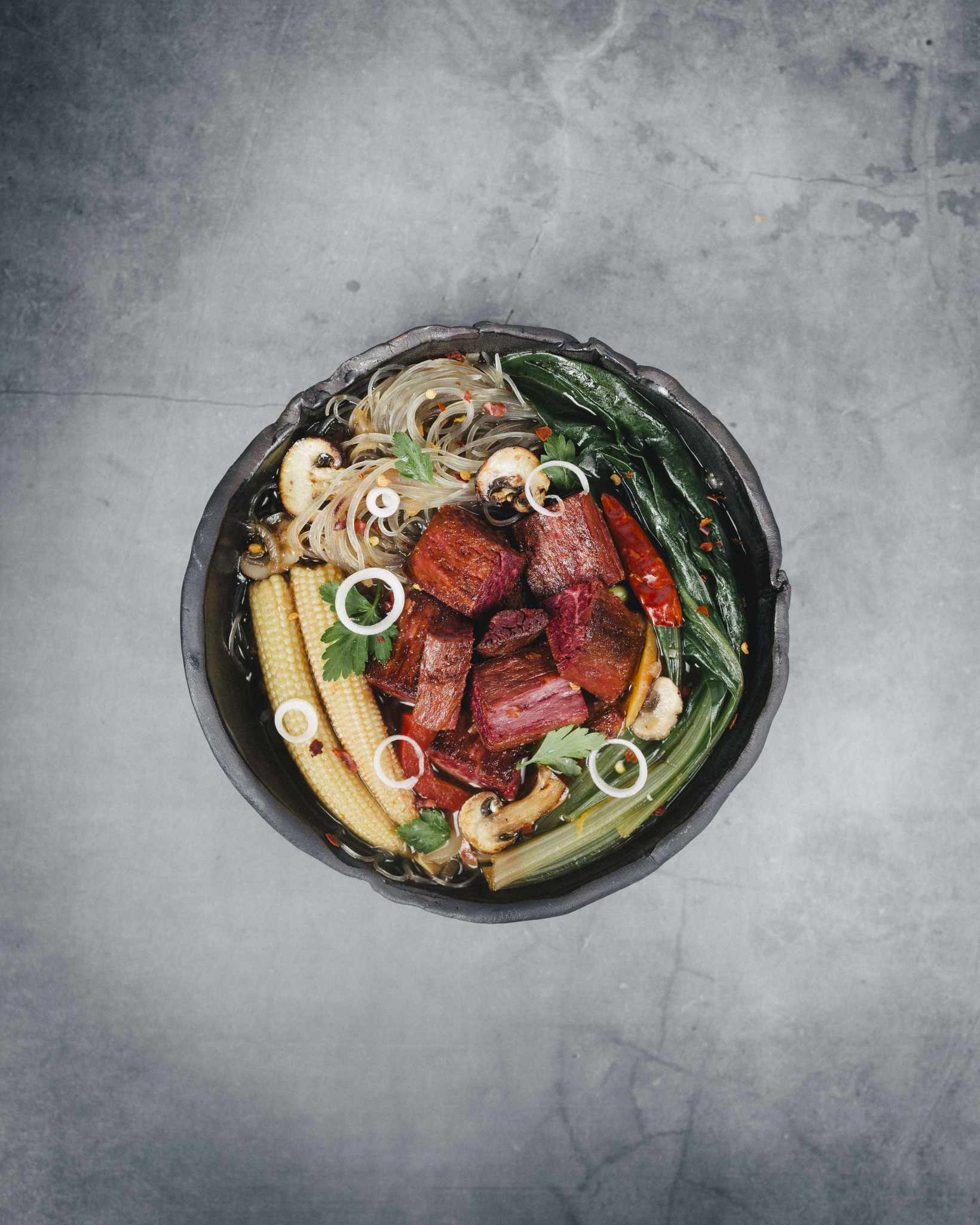
The company has created what it claims is the worlds first plant-based filet mignon.
My inner child demanded a taste test.
Whats beef?
Juicy Marbles shipped me a sample from the startups homeland of Slovenia.
After sprinkling salt on the steaks, I fried them until the crust was golden brown.
My tastebuds were impressed.
The flavors were surprisingly rich and the texture certainly looked like beef to me.But would it convince the carnivores?
Kelly agreed that the patty had a strong resemblance to meat althoughnot necessarily a filet mignon.
It tastes like a really high-grade corned beef; a really classy version of it, he says.
You may be wondering why atechsite is behaving like a vegetarian propaganda operation.
Dont worry Ive done some cursory innovation research to conceal my agitprop.
While that generation of veggie patties was marketed at vegetarians, their plant-based descendants target meat-eaters.
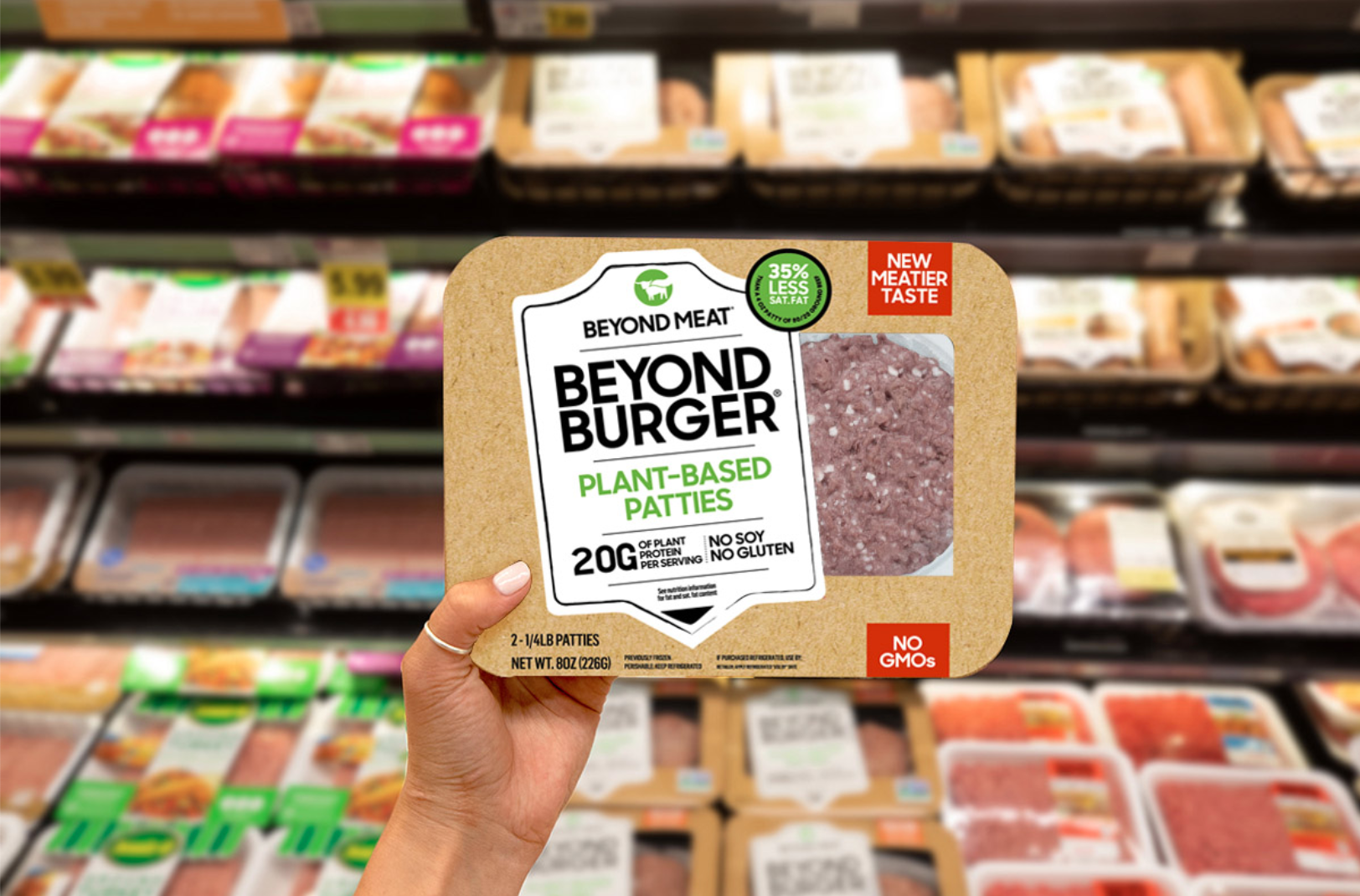
Two of the driving forces of the new school are Beyond Meat and Impossible Foods.
Both companies were born around a decade ago, but each applies a different production technique.
Heme occurs naturally in beef, but is genetically engineered by Impossible Foods.
The company first inserts DNA from soy plants into modified yeast.
Another emerging meat alternative is lab-grown or cultured meat, which is cultivated from animal cells in a lab.
These products are now slowlyentering the market although TNW readers still havent succumbed to their charms.
What would you rather eat?
TNW (@thenextweb)February 13, 2022
Juicy Marbles has devised a different approach.
The company initially experimented with burgers, but soon decided the market was already saturated.
The team turned its focus to a more novel product: whole cuts.
These meats are largely absent from the plant-based market.
They feature a complex consistency and intricate flecks of fat known as marbling that has proven difficult to replicate.
Marbling is like an ecosystem of its own within meat, Mickovic says.
It has its own flavor profile and its own solidity status.
Once its at room temperature, it has to be solid.
Then when you put it on fire, it has to partially melt and release flavors.
Juicy Marbles uses a patent-pending 3D assembly system to recreate the taste and texture.
Mickovic is reluctant to provide further details on the technique.
He says that plant-based rivals have already tried to steal their secrets and theyve only just entered the market.
A healthy business
The meat-free movement has had a rollercoaster few years.
Two years later, McDonalds joined the party, with the launch of the McPlant.
With the golden arches open for plant-based business, the meat-freefuturelooked rosy but the industry still faces major challenges.
Analysts attributed the decline to restaurants reopening, supply chain problems, disappointing products, and overinflated expectations.
Dieticians have also raised concerns about plant-based meats.
There could also be health benefits in plant-based alternatives.
Juicy Marbles says its filet mignon is lower in fat and calories than like-for-like animal-derived products.
The food is also fortified with iron and vitamin B12, which are often insufficient in vegetarian diets.
Furthermore, it contains 7.2 grams of dietary fibers, which meat typically lacks.
Livestock takes up83% of farmlandand produces 60% of agricultures greenhouse gas emissions.
Yet it provides only 18% of humanitys food supply.
Advocates for plant-based meats say the products can cut ourenvironmental footprints and also help tackle food insecurity.
But first, they need to attract more meat-eaters to their wares.
To illustrate his prediction, Mickovic pitches a delicacy they could create: pumpkin-spiced meat.
That sounds a bit too quirky for my unadventurous tastebuds.
But if they can develop plant-based sashimi, I will never again envy the flesh-eaters.
The Juicy Marbles filet mignon isnow availablein the EU and coming soon to the US.
Story byThomas Macaulay
Thomas is the managing editor of TNW.
He leads our coverage of European tech and oversees our talented team of writers.
Away from work, he e(show all)Thomas is the managing editor of TNW.
He leads our coverage of European tech and oversees our talented team of writers.
Away from work, he enjoys playing chess (badly) and the guitar (even worse).
