A car-sized spacecraft is falling down to Earth but theres a plan to catch it.
In the original plan, Aelous was expected to fall naturally back to Earth.
40% off TNW Conference!

To reduce the risks to human life, these entities need to safely land in uninhabited regions.
Under current regulations, spacecraftmust either burn up entirely or undergo a controlled reentry.
But Aeolus was designed before these rules were made.
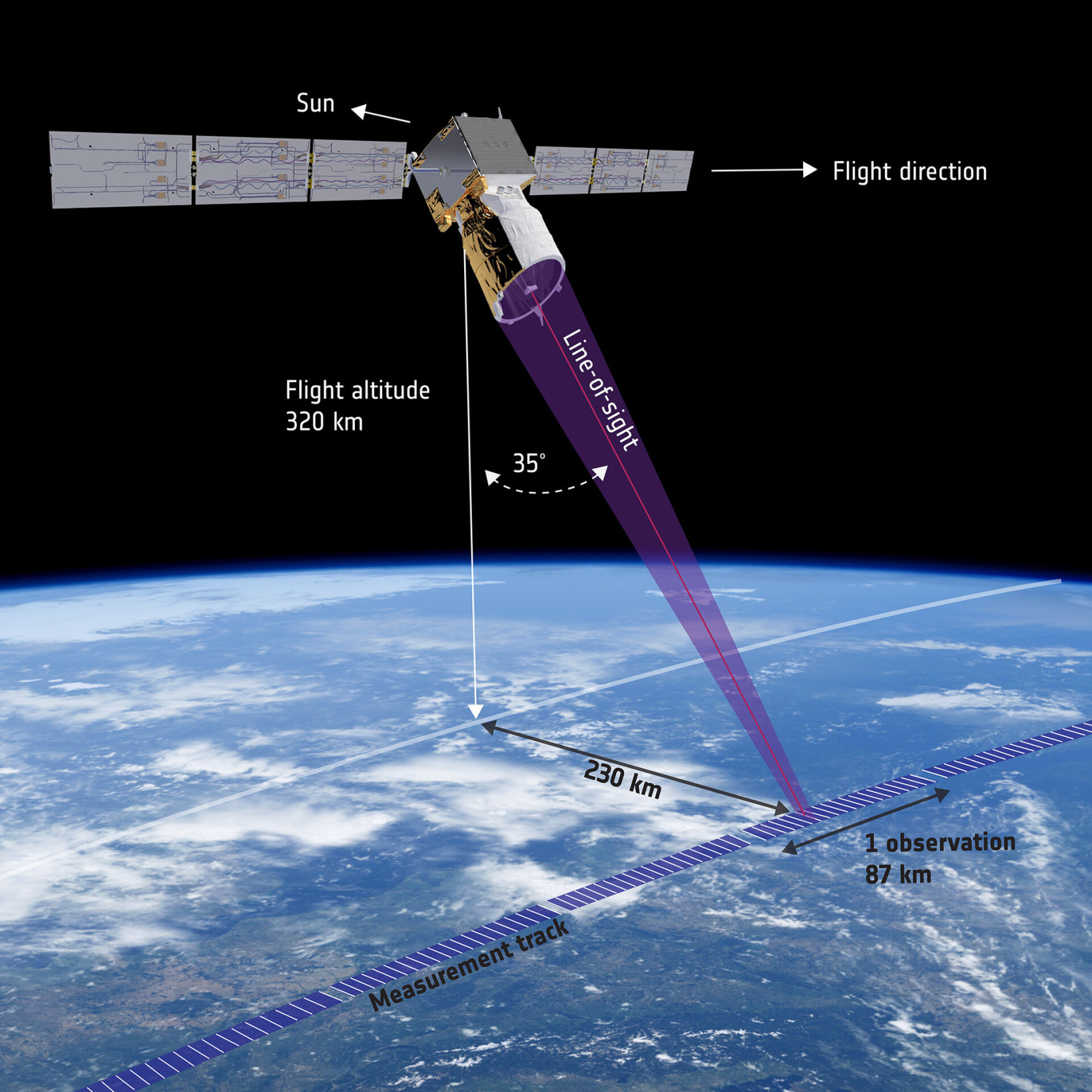
TheAeolusmission was planned in the late 1990s,when there were no guidelines about reentries.
At the time, Aeolus was designed to fall on an area of Earth that would be quite random.
To comply with todays requirements, ESA changed the plan.
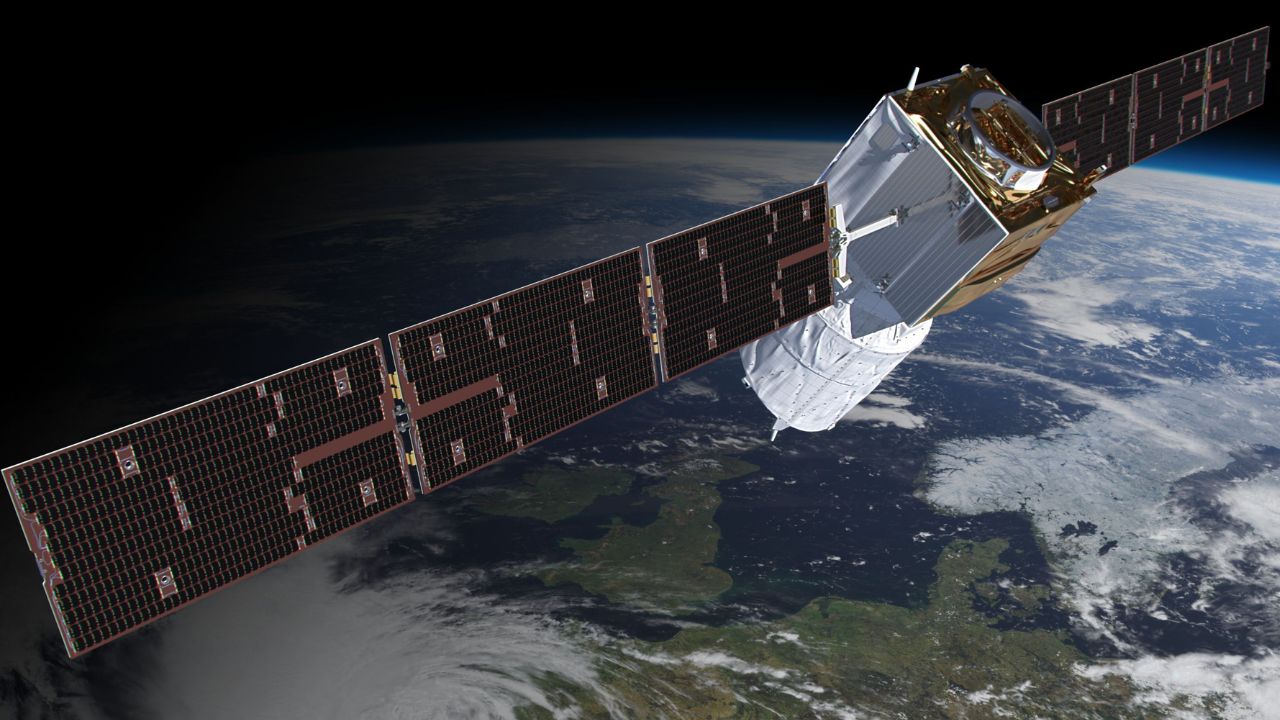
Mission control will now use the satellites last drops of fuel to bring the satellite back to Earth.
Aeolus will first naturally descend from its operational altitude of 320km to a lower orbit.
A sequence of moves will then bring thesatellitedown to 150km above Earth.
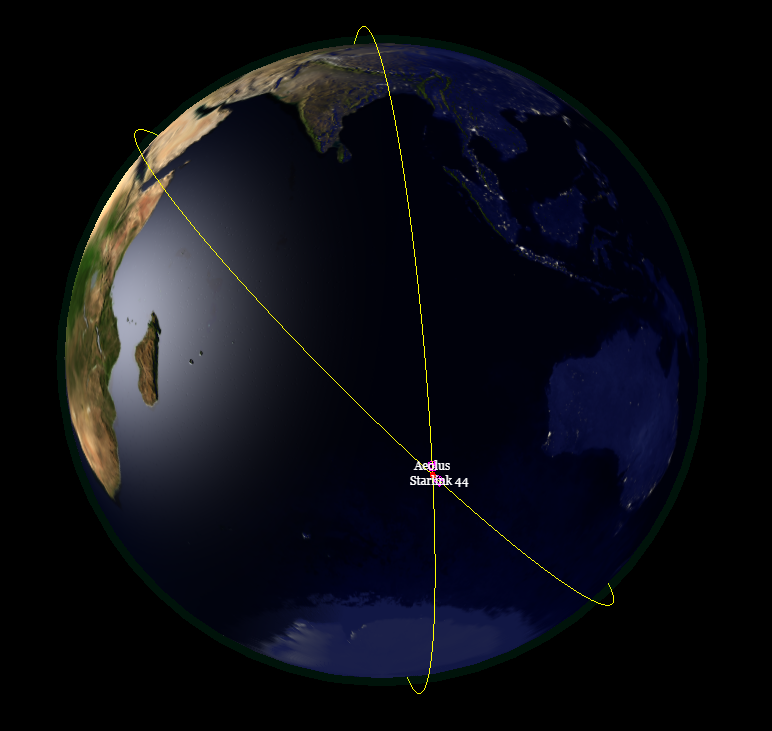
Some debris, however, may still make it to our planets surface.
If the manoeuvres are successful, ESA expects to complete the journey in late July or early August.
However, as a first-ever attempt at an assisted reentry, its not guaranteed to work.
If the plan has to be aborted, Aeolus natural descent will continue.
Story byThomas Macaulay
Thomas is the managing editor of TNW.
He leads our coverage of European tech and oversees our talented team of writers.
Away from work, he e(show all)Thomas is the managing editor of TNW.
He leads our coverage of European tech and oversees our talented team of writers.
Away from work, he enjoys playing chess (badly) and the guitar (even worse).
