A German startup plans to jumpstart European EVs with an AI-powered brain.
Sphere Energy built the system to simulate battery behaviour.
According to Sphere, the insights shrink the battery testing cycle by at least a year.
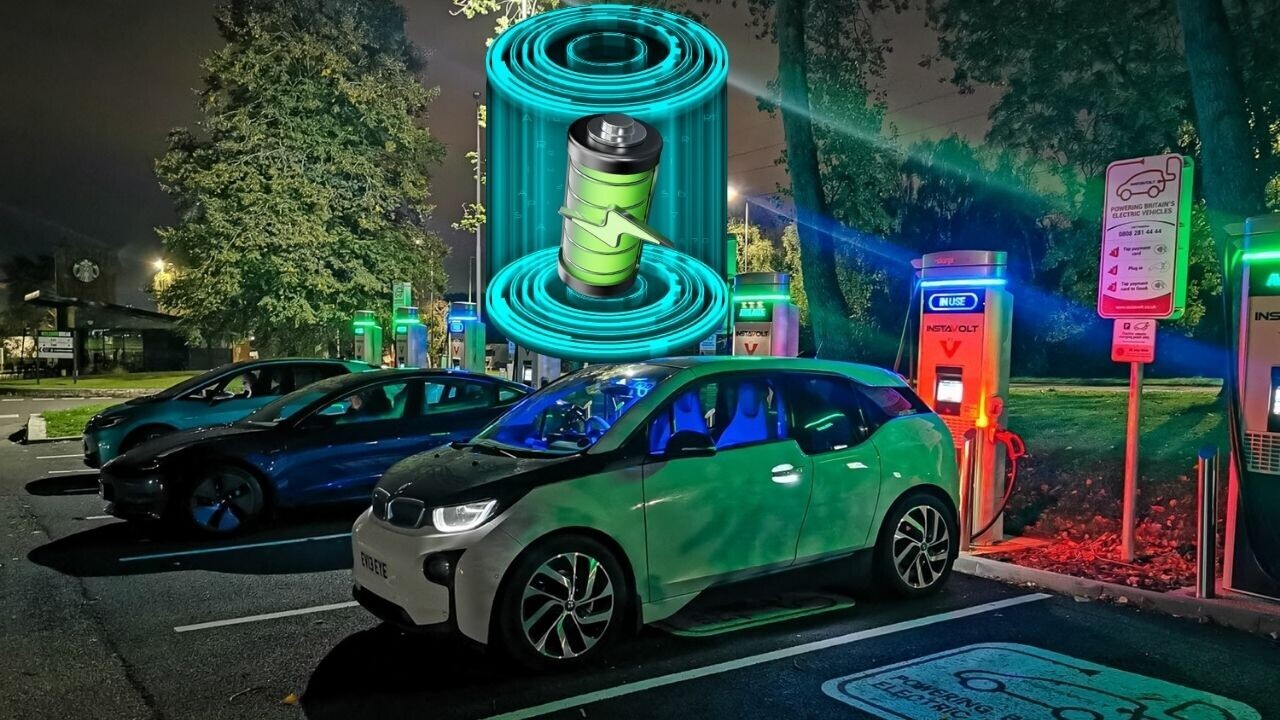
Developing a car, meanwhile, could be completed at least twice as quickly.
It’s free, every week, in your inbox.
The startups co-founder, Lukas Lutz, said the plans are unprecedented.

Nobody right now not even Tesla can accurately estimate the lifetime of their battery, Lutz told TNW.
This is something that will be really groundbreaking.
A lifeline for European EVs?
Sphere unveiled the project last month at theIBMResearchLab in Switzerland.
In a futuristic facility overlooking Lake Zurich, the startup introduced anAIbrain called Batty.
Batty was initially trained on years of testing data from over 1,000 batteries.
Car manufacturers also mix in their own information.
The system then simulates a specific batterys life under various conditions.
Every aspect will impact the batterys degradation.
The systems power derives from the transformer architecture the founding stone of todays large language models (LLMs).
But Spheres approach doesnt rely solely on text.
Thestartupextends the models scope by integrating time-series data.
As a result, the system can simulate a batterys behaviour over years.
The approach adds a new twist to the LLM paradigm.
While a chatbot predicts the next best word, Batty will predict the next best data point.
Car companies have been impressed by the results.
According to Sphere, the majority of European manufacturers have already used the tech.
Battery development is a huge pain for them and it shouldnt be, Lutz said.
We really want to take away the burden.
But batteries are just the start of Spheres ambitions.
The company envisions simulating endless energy applications, from electric boats to grid storage.
Alongside IBM, the startup is also exploring new levels of simulating batteries.
With these foundation AI models, we understand atomic level behaviour intrinsically, Lutz said.
But we want to go sub-atomic with quantum.
Story byThomas Macaulay
Thomas is the managing editor of TNW.
He leads our coverage of European tech and oversees our talented team of writers.
Away from work, he e(show all)Thomas is the managing editor of TNW.
He leads our coverage of European tech and oversees our talented team of writers.
Away from work, he enjoys playing chess (badly) and the guitar (even worse).
