But the buyers may now be searching for their receipt.
According to a new AI analysis,their prized possession is almost certainly a fake.
The tests were conducted byArt Recognition, a Swiss company that uses algorithms to authenticateartworks.
40% off TNW Conference!
The system learns to identify an artists characteristics by training thealgorithmon images of their real works.
Once the training is complete, the algorithm is fed a new image to assess.
It then analyzes the pictures features to evaluate the likelihood of it being genuine.
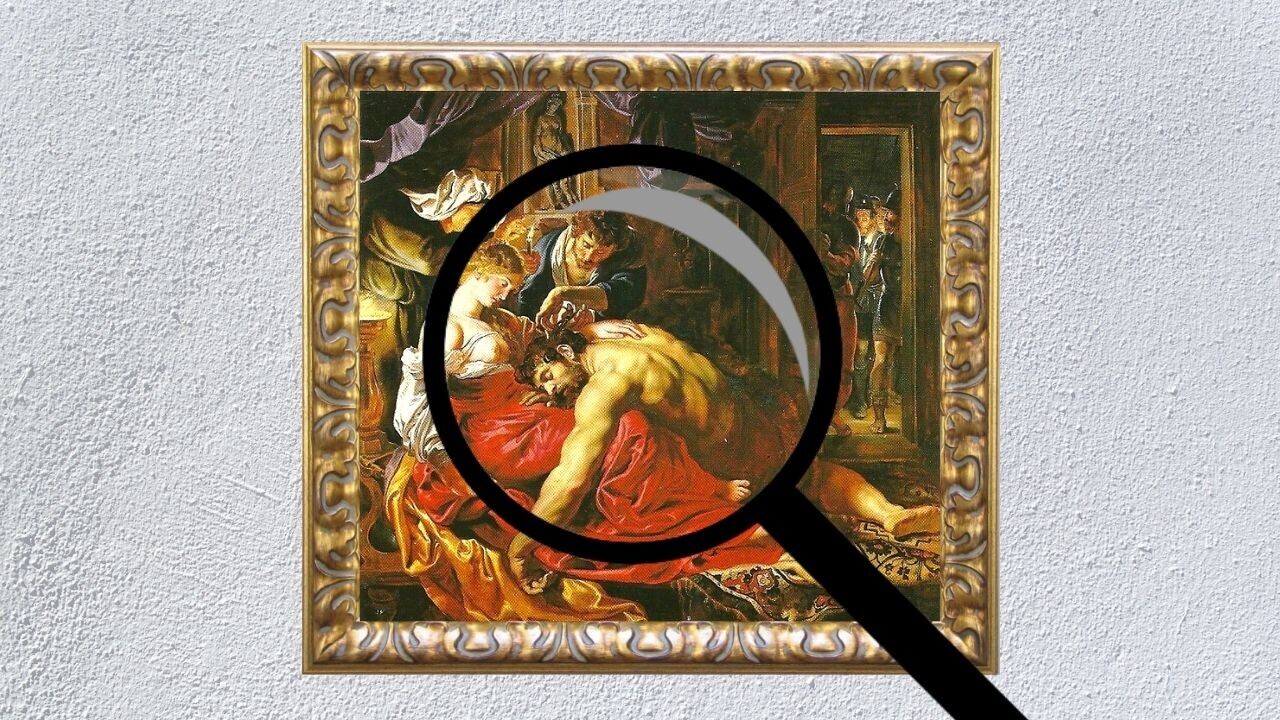
After comparingSamson and Delilahwith 148 genuine Rubens paintings, the system gave theartworka91% probability of being inauthentic.
Every patch, every single square, came out as fake, with more than 90% probability.
Scholars have argued that the style ismore heavy-handedthan any other works by Rubens.
They point to Samsons cropped toes as a clear sign that the piece wasnt painted by the Flemish master.
The algorithm has added credibility to their claims.
Story byThomas Macaulay
Thomas is the managing editor of TNW.
He leads our coverage of European tech and oversees our talented team of writers.
Away from work, he e(show all)Thomas is the managing editor of TNW.
He leads our coverage of European tech and oversees our talented team of writers.
Away from work, he enjoys playing chess (badly) and the guitar (even worse).
