A new artwork has inverted the utility of predictive policing.
Instead of forecasting crimes committed by civilians, the project predicts which civilians will be killed by police.
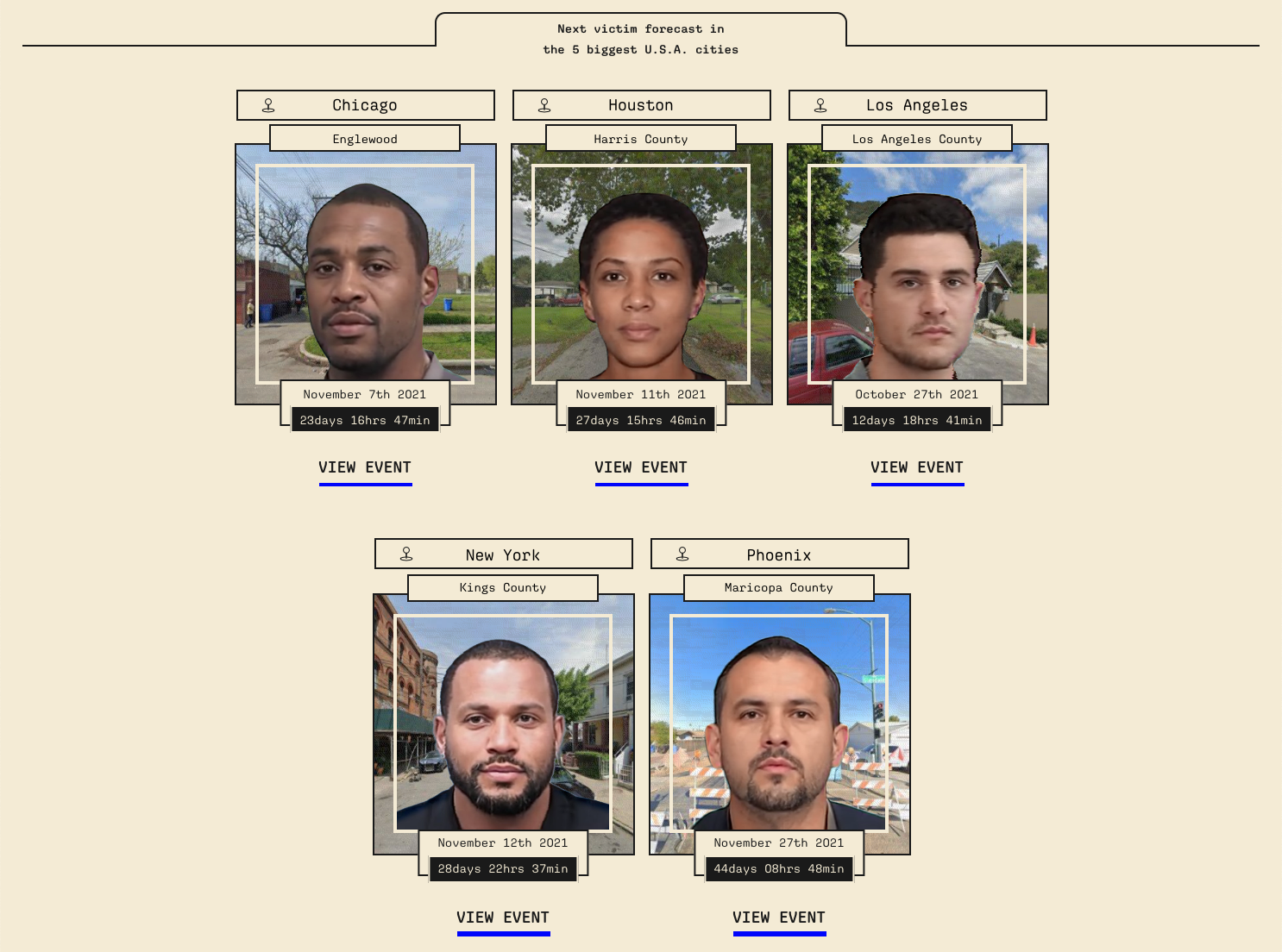
The future victims are memorialized on a website calledFuture Wake.
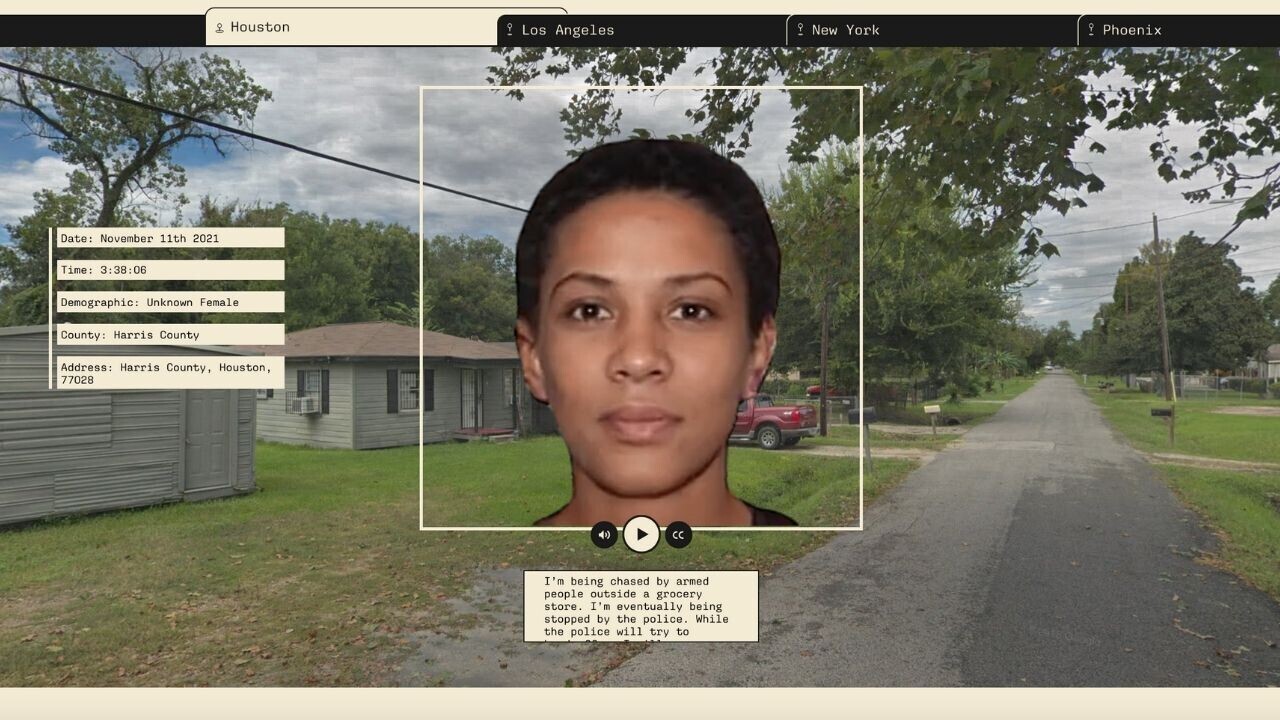
None of them, however, are real people.
Each identity and story is generated by AI.
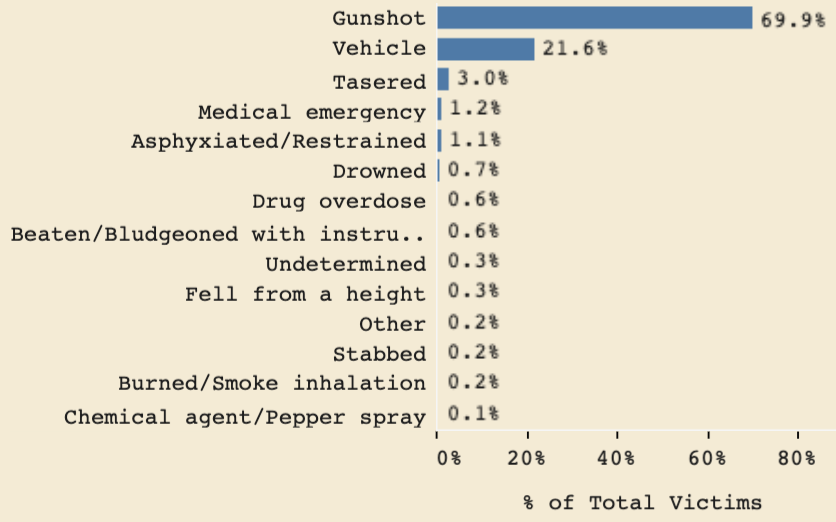
Yet the predictions about their deaths are based on historical events.
It’s free, every week, in your inbox.
The training data contained more than 30,000 victims from the last 21 years.
Their ages ranged from under one-year-old to 102.

Visitors to the site cansee and hear the fictional victim discuss the story of their death.
We want to highlight that these statistical generations reflect real people who are living now, said Oz.
Its hard to empathize with a number; its easier to empathize with a human face.
The human-driven approach makes the stories more impactful.
Oz and Tim hope this illustrates the urgent need for more restrictions on police use of force.
They acknowledge, however, that their predictive modelsare inherently flawed.
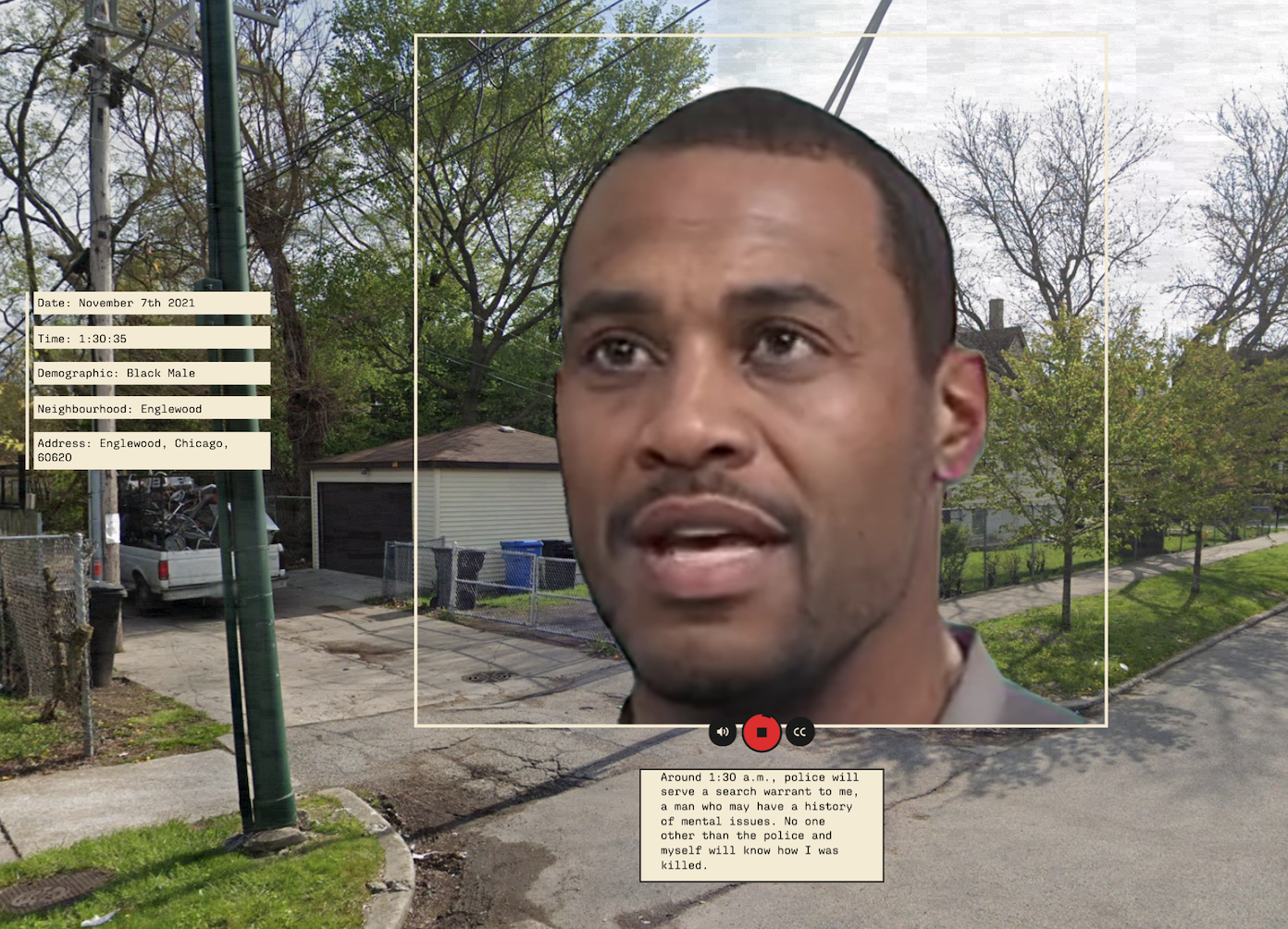
Their algorithms can only identify patterns in historical and often biased data.Each predictioncould be wrong or even dangerous.
In these defects, the models mirror therisks of real predictive policing.
Story byThomas Macaulay
Thomas is the managing editor of TNW.
He leads our coverage of European tech and oversees our talented team of writers.
Away from work, he e(show all)Thomas is the managing editor of TNW.
He leads our coverage of European tech and oversees our talented team of writers.
Away from work, he enjoys playing chess (badly) and the guitar (even worse).
