Unsurprisingly, Ive been spending a lot of time inside recently.
And you could watch above.
you’re able to watch it,right now.
A quick disclaimer
40% off TNW Conference!
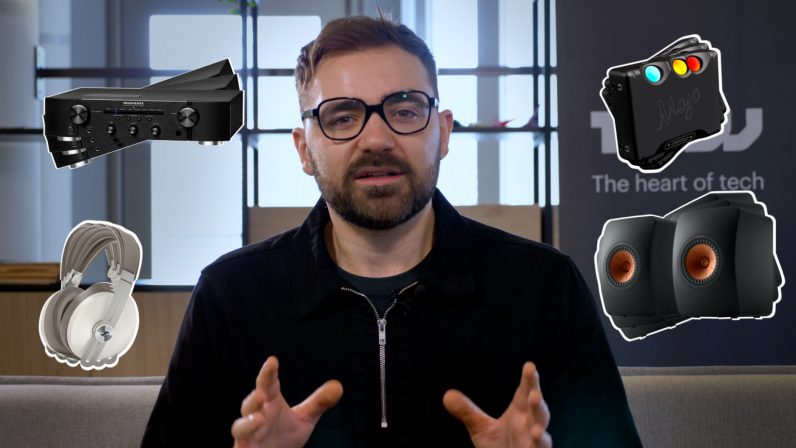
This means you already have a dedicated hi-fi system, or potentially a DAC for your system.
Nothing too crazy, just your standard audio nerd shit.
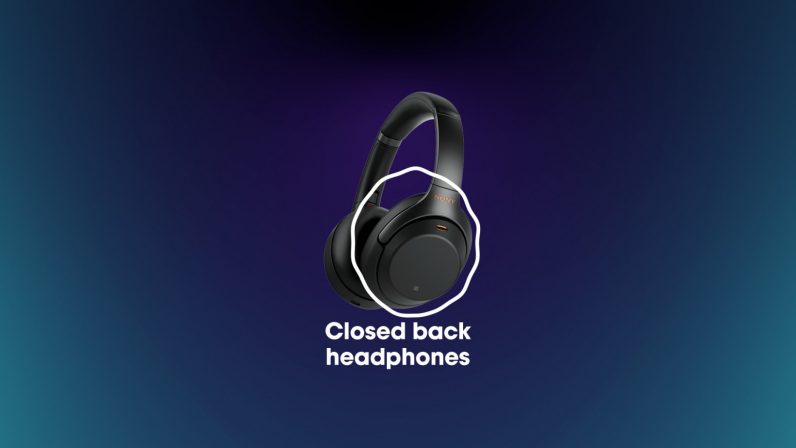
This means were going to cover four main things:
So lets do it!
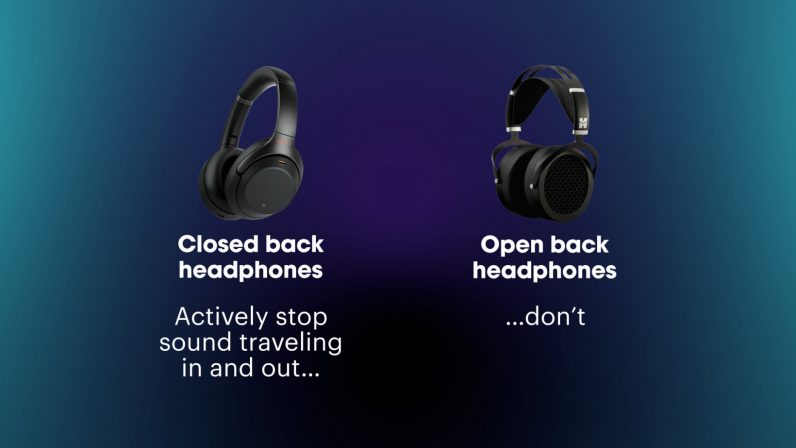
What are closed-back headphones?
If you already have a pair of over-ear headphones, theyre most likely closed-back.
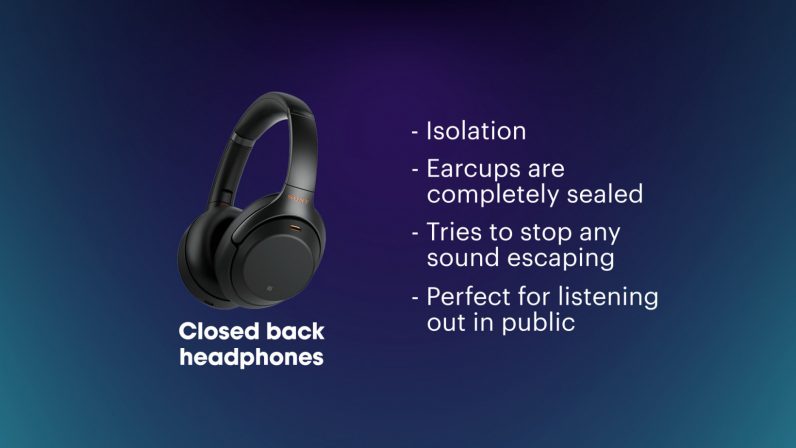
Now, what that phrase refers to specifically is the enclosure.
The idea here is isolation.
Its to stop as much noise as possible from either escaping or entering the headphone.
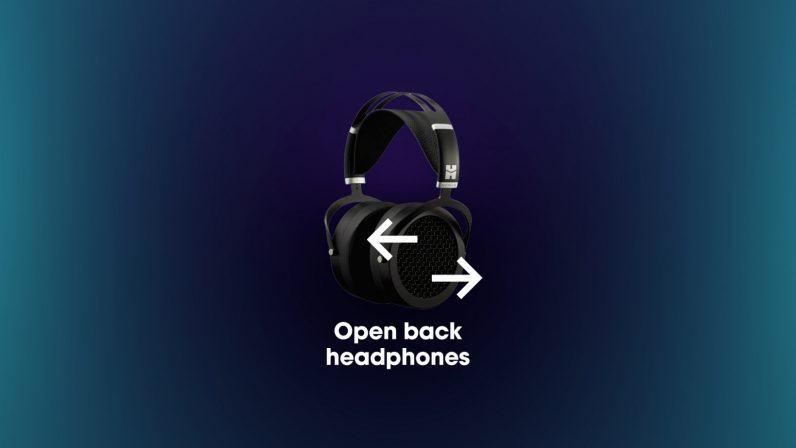
Heres a nice image summing everything Ive said up:
What are open-back headphones?
In other words, cans where noise is able to travel more freely in and out of the enclosure.
This design allows sound to glide through the headphones and this delivers a sense of spaciousness.
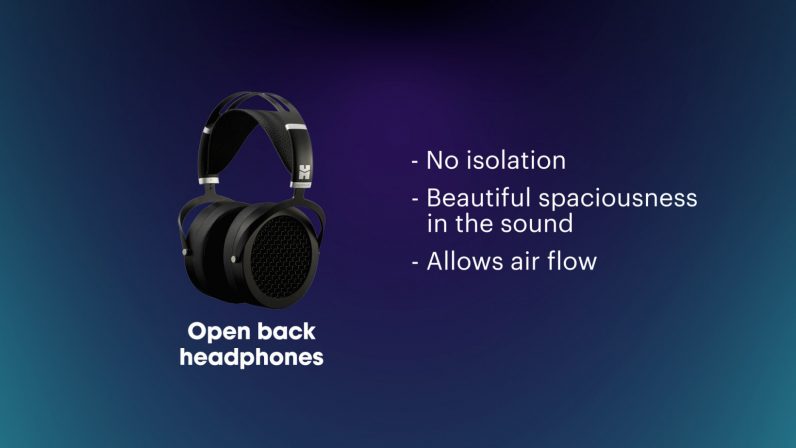
Its not all roses and gravy though.
Next, lets look at the difference between dynamic driver and planar magnetic headphones.
This below section was put together by my colleague,the wonderful Napier Lopez.
Whats the difference between planar magnetic and dynamic driver headphones?
Dynamic driver headphones typically use conical diaphragms with a voice coil on the rear.
Magnets are then used in conjunction with an electrical signal to create sound waves.
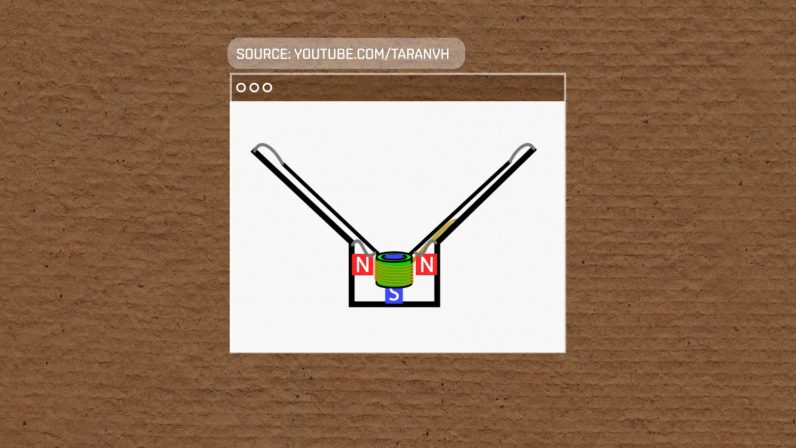
Often, the center moves more than the edges.
Planar magnetic drivers also use magnetic fields, but the diaphragm is, well, planar.
In other words, flat.

It has thin wires across its whole surface and, usually, magnets either side covering its entirety.
This means the full diaphragm moves in unison.
They create a flat soundwave that arguably leads to a more expansive soundstage.
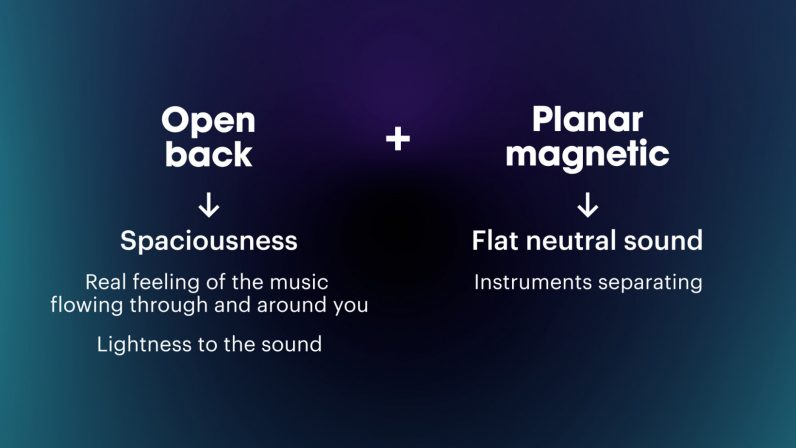
The even movement also helps them play louder without audibly distorting.
On the other hand, dynamic drivers are often punchier than planar magnetic ones.
They also tend to be lighter as they dont require the beefy magnets that appear in planar magnetic cans.
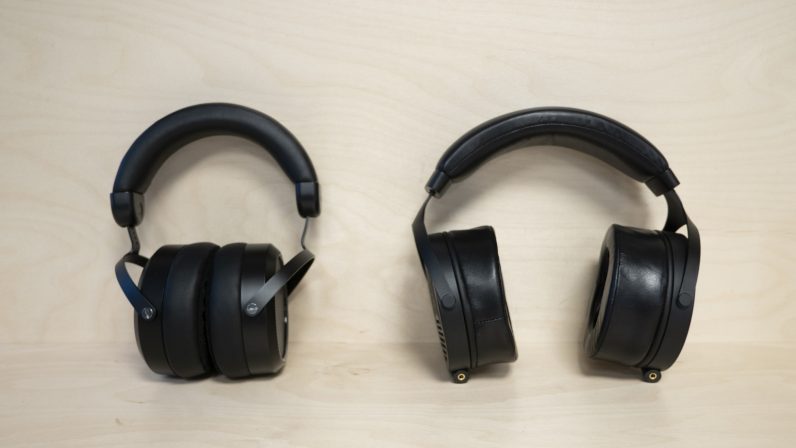
Why are we recommending getting a pair of open-back, planar magnetic headphones?
The question here is why have I combined the two?
Why not recommend getting one pair of open-back headphones?
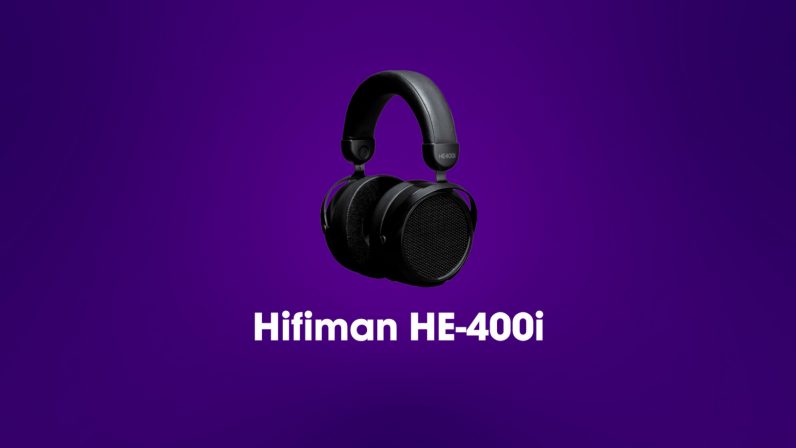
Or a pair of planar magnetic?
What audio experience do you get with a pair of open-back, planar magnetic headphones?
Weve talked about this a bit above, but its good to have it all down in one place.
Instead, you get a low response thats far more rounded and natural.
The biggest difference the driver delivers for me though is the presentation.
Theres a real sense of cleanliness to the sound, and the instrument separation is delicious.
They put another spin on music and thats refreshing.
Anyway, nows the time to talk about specifics.
Another quick note: this isnt meant to be a direct comparison.
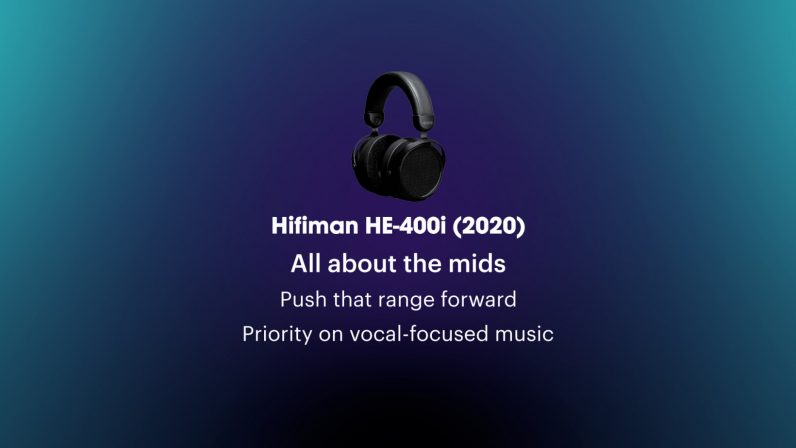
Each set of headphones do different things at different prices.
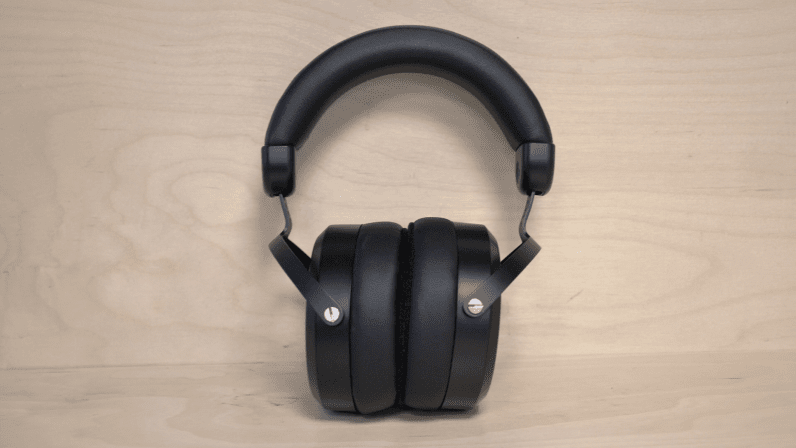
The first thing you notice when picking them up is how light they are.
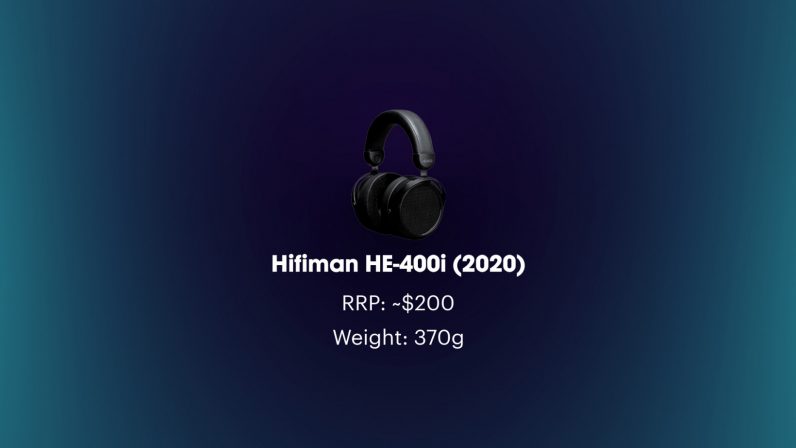
The HE-400i clock in at 370g, which is supremely floaty for the normally naturally bulky planar magnetic models.
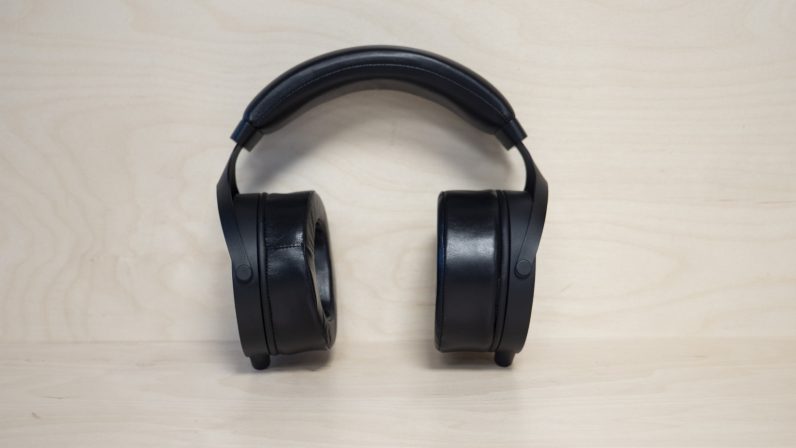
This, combined with the comfortable fit, makes wearing them for a few hours feel like nothing.
Anyway, heres another diagram for your eyes:
Now, lets talk about the sound a bit.
Overall, these are a very entertaining pair of headphones.
The trebles sparkle and the mids are full bodied.
Everything I listened to had fantastic clarity, and I found the HE-400is speed response strong and sharp.
Overall, the bass was balanced, but not quite powerful or punchy enough.
This did change a bit depending on the equipment I used, but the criticism still remains.
Really though, the HE-400i are all about the mids.
Its tricky to beat the HE-400i.
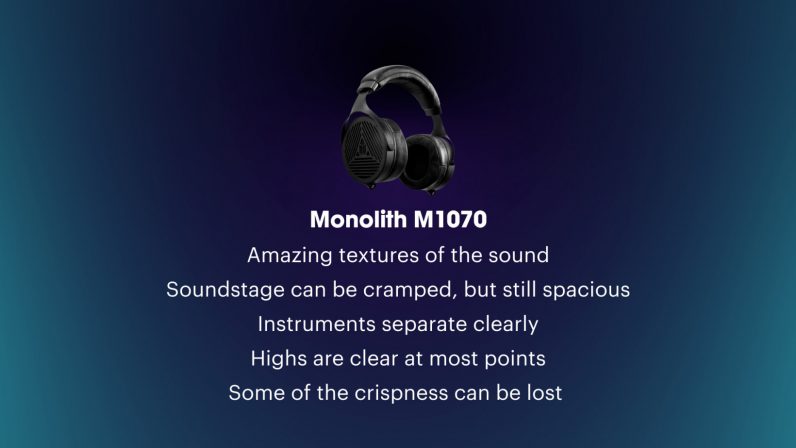
First things first, the Monolith M1070 really aresomething.
The output is lush, with strong mids and a beautiful, detailed rounded bass.
The lower end has some serious punch, but its balanced, and never overbearing.

Im also a huge fan of the texture of the sound its simply scrumptious and the instruments separate clearly.
There are a few downsides.
The soundstage of the M1070 is enjoyable and generally spacious, but can feel a little cramped on occasion.
And while the highs are clear and sparkling at most points, a bit more detail would be grand.
Also, I found some of the crispness in the upper register was lost in particularly bass-y tracks..
Overall though…damn.

The M1070 are a really phenomenal sounding pair of cans.
They dont really have any glaring weaknesses, and a whole lot of strengths.
You cant go wrong with either set of open-back, planar magnetic headphones I spoke out.
Also, Id like you to remember that the above is just trackingmyexperience with the cans.
Not only is listening subjective, we all havedifferent hearing profiles, tastes, and musical preferences.
There is no right or wrong.
Instead, view this as a starting point for your own research.
Theres a huge world of headphones out there just waiting for you to explore.
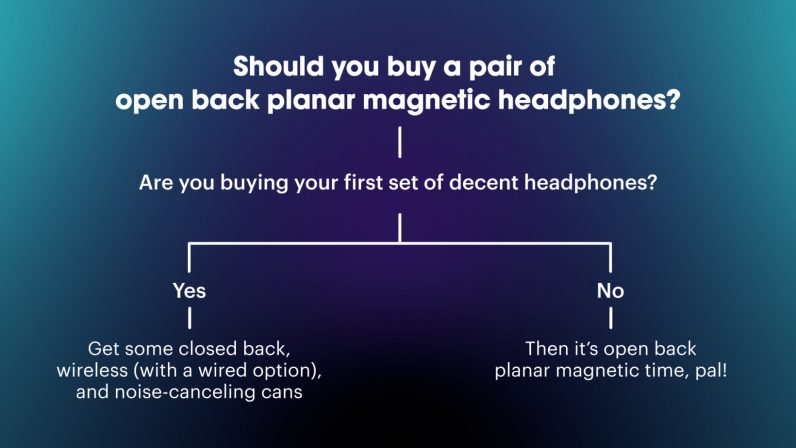
If youre looking for your first set of headphones, dont go for an open-back planar magnetic pair.
Really, something like this should be your second or third purchase.
So, what if youre beginning your audio journey?
They still sound great and are just so adaptable.
What they do is offer you a new or fresh way of listening to music.
And you know what?
I get this level of happiness from them every day.
You wont regret it.
