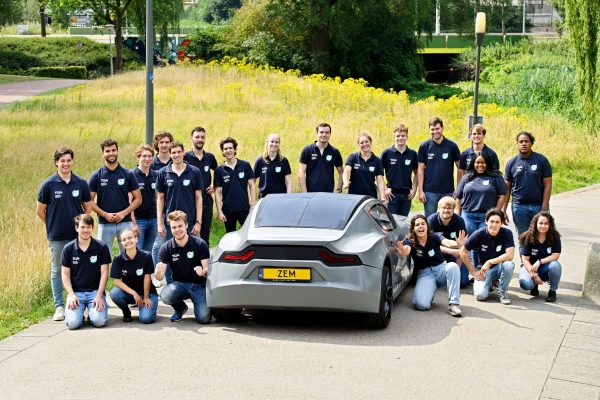
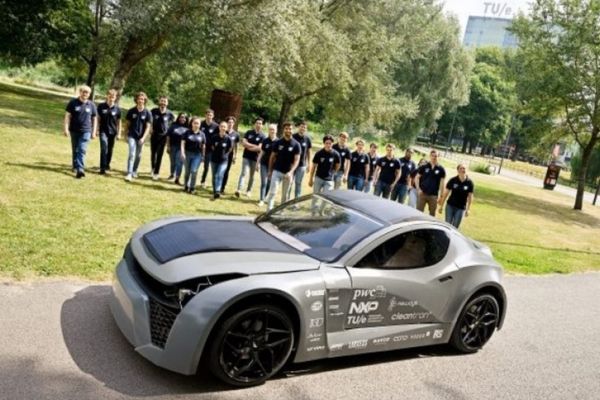
Zem was unveiled in July 2022 at the Louwman Museum in the Hague.
And thats the reason for the recent projects focus on zero emission mobility, she explained.
40% off TNW Conference!
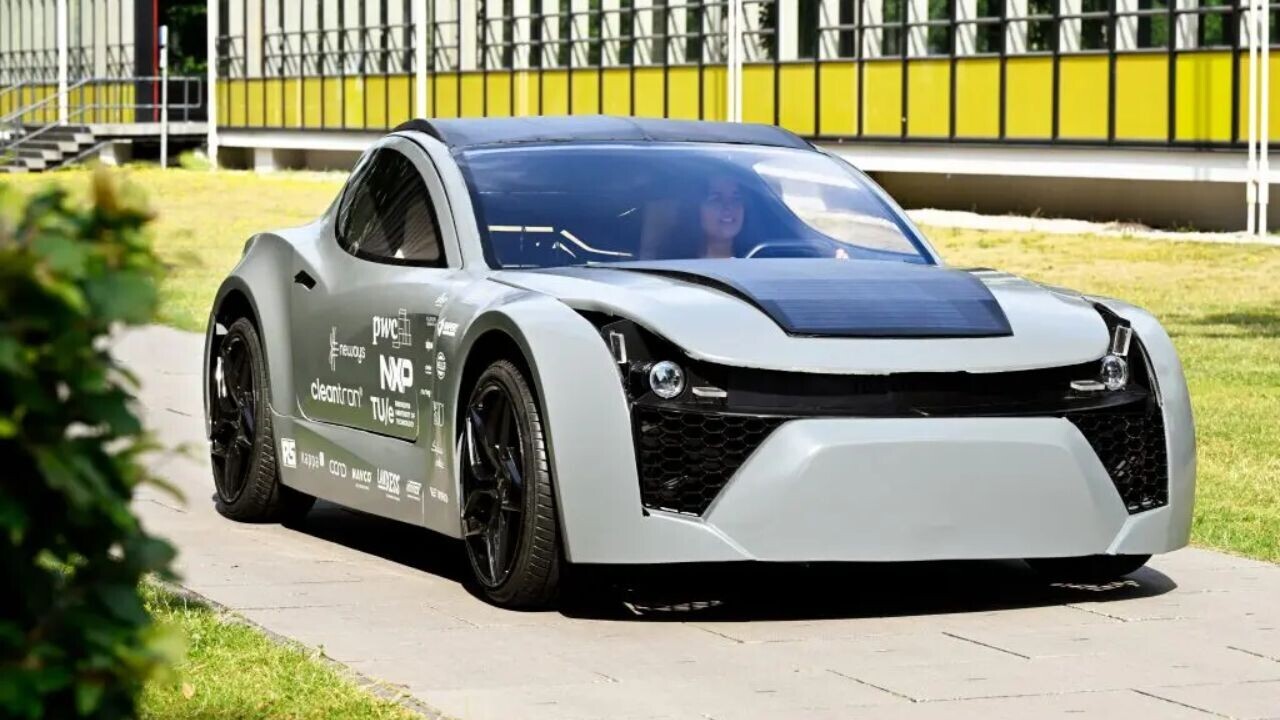
Effectively, it cleans the air while driving.
Companies such asClimeworksandCarbyonhave been applying this air-cleaning method via large installations.
But the Zem team decided to implement it on the car.
This compensates for the total emissions of all life phases.
But what happens when the filter is saturated?
We have designed a special charging pole for this, Louise explained.
While Zem is charging you could remove the filter and place it in a special tank inside the pole.
Cleaning the filter takes about the same time as charging.
The team collaborated with partners such asCEADandRoyal3D to develop the cars fundamental structure.
Specifically, the monocoque and the body panels.
At the same time, they did the printing using circular plastics.
These are granulates that had already been used and can be shredded and reused afresh in other projects.
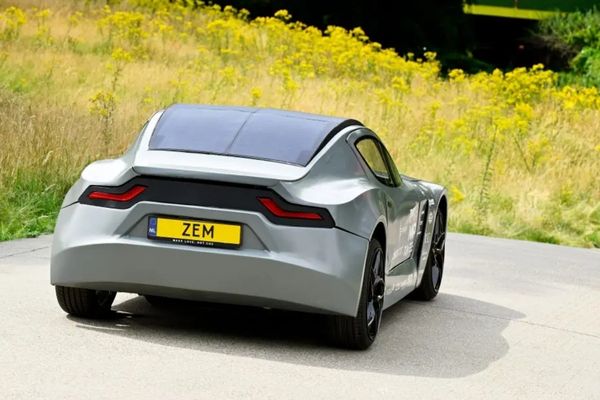
The vision of circularity has been applied throughout Zems design as well.
For example, the seat upholstery is made from the residue released during pineapple production.
The roof upholstery and the floor mats consist of ocean plastics.

As a result, the concept car boasts as little CO2 emissions as possible during the production phase.
Stijn Plekkenpol a sustainable innovation student will lead the next project.
What we really want to do now is build a climate positive car by 2030.
After all, its not uncommon for a student concept to grow into a startup and a real-life product.
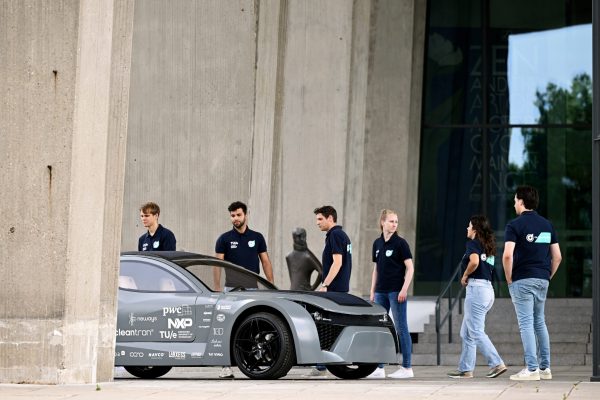
These partners supported the project by providing parts, materials, knowledge, and financial support.
Both Louise and Stjn have optimistic views on the future of mobility.
Story byIoanna Lykiardopoulou
Ioanna is a writer at TNW.
With a background in the humanities, she has a soft spot for social impact-enabling technologies.
