A vertical farming startup from the UK is taking its technology to new heights.
The UK Space Agency has awarded Vertical Future 1.5mn to build anautonomousfarm in orbit.
The high-tech veggie garden will be installed onthe worlds first commercial space station.
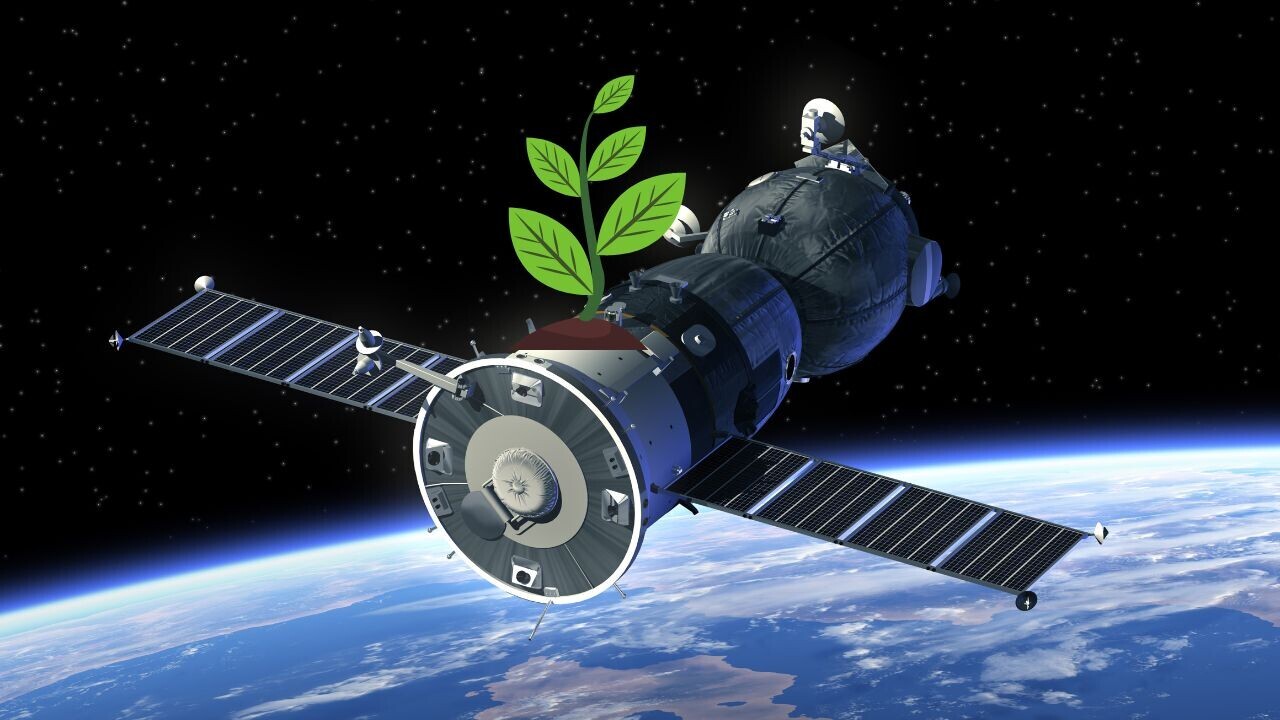
Space stations are an ideal testing ground for growing fruit, veggies, and even pharmaceuticals in microgravity.
The lessons learnt here will likely be critical to feeding hungry humans once (if?)
we set up shop on the Moon or Mars.
40% off TNW Conference!
Plant-growing facilities are seen as a part of the solution.
Headquartered in London, Vertical Future designs, manufactures, and deploys fully-robotic vertical farms.

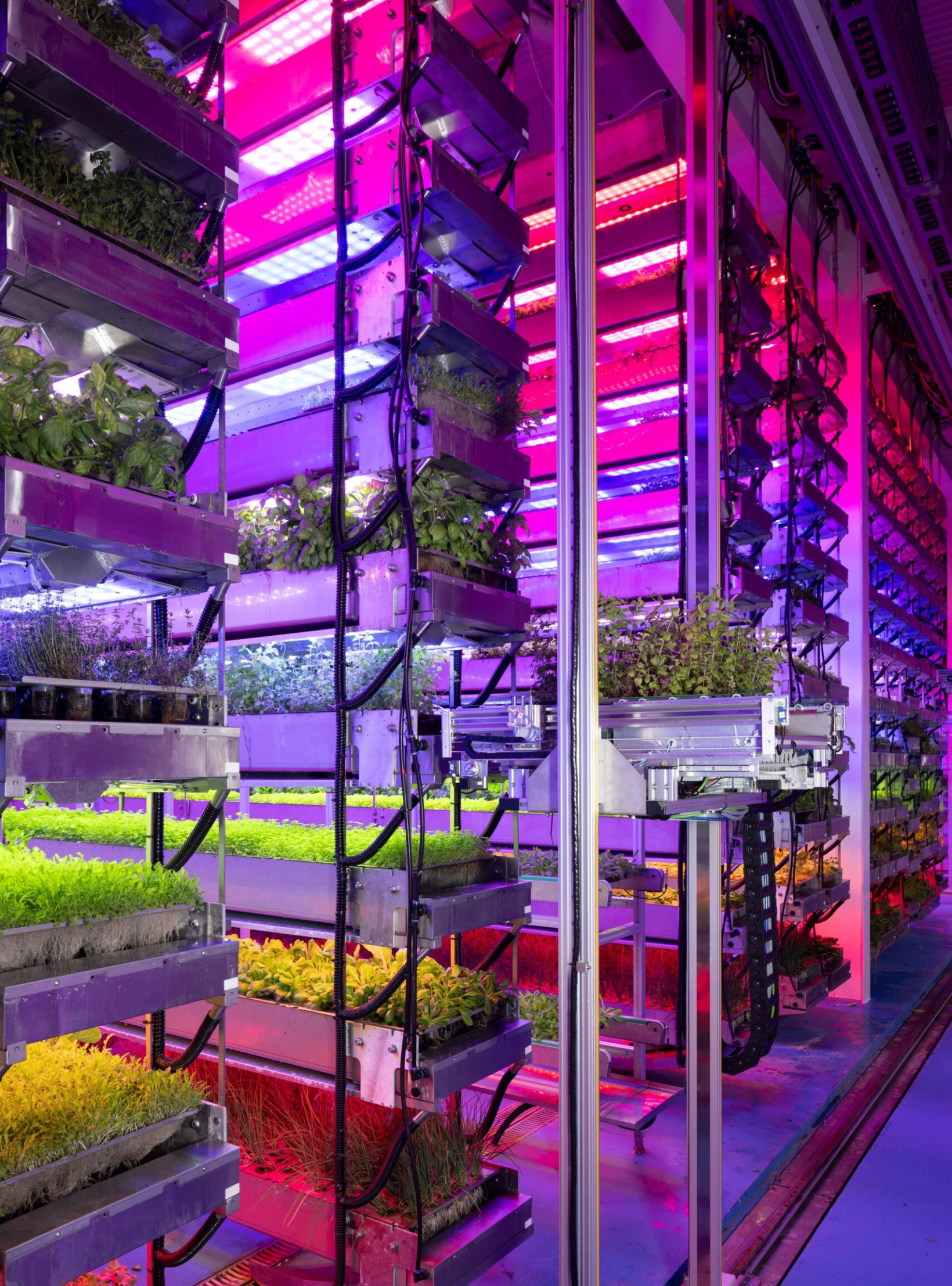
The plants are grown under LED lights in metal boxes stacked on a shelving system towering several metres high.
Robots capable of moving up and down and left to right keep the crops healthy.
Everything from seed treatment to harvesting is fully automated.
The main issue is watering and feeding [the plants], said Bromley.
The experience of texture and flavours from fresh food cannot be underestimated for astronaut well-being.
As we travel further and spend longer in space that is critical.
Vertical Future will build the first space farm prototype this year.
Making vertical farming work on Earth
Vertical farming was all the rage a few years back.
Startupspromised a future where food could be produced locally and more sustainably.
Investors rushed in to take their slice of the plant-based pie.
Now, the company focuses on selling the growing towers.
Anyone from supermarkets to pharmaceutical companies can buy them.
The companybelieves the outcome of its space-farm mission will provide valuable lessons for growing crops back on Earth.
Story bySion Geschwindt
Sion is a freelance science and technology reporter, specialising in climate and energy.
