Liza Dixon, an autonomous vehicle researcher, hosted a TNW Answers session on Tuesday, 23rd June.
Check out the questionshere.
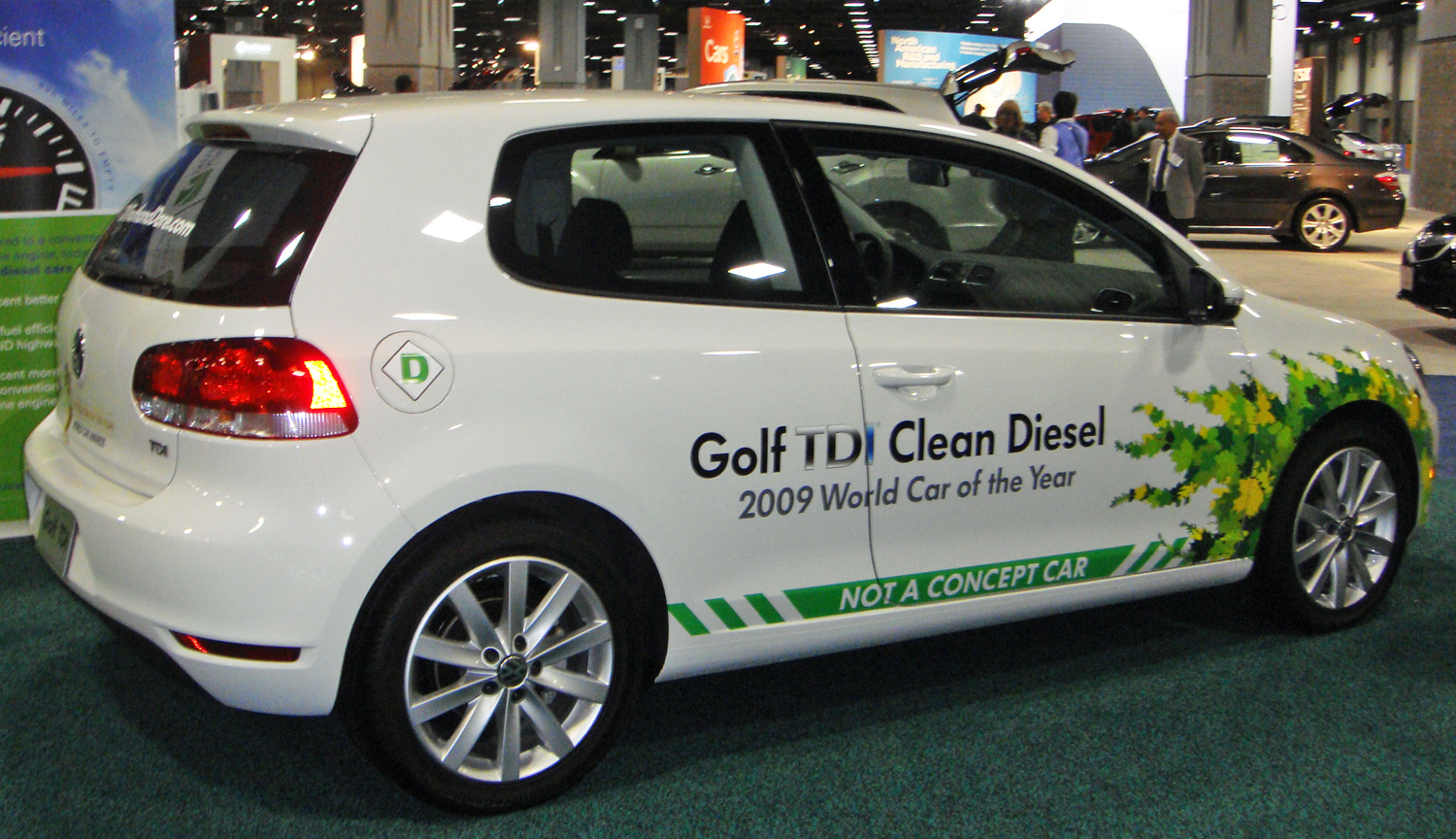
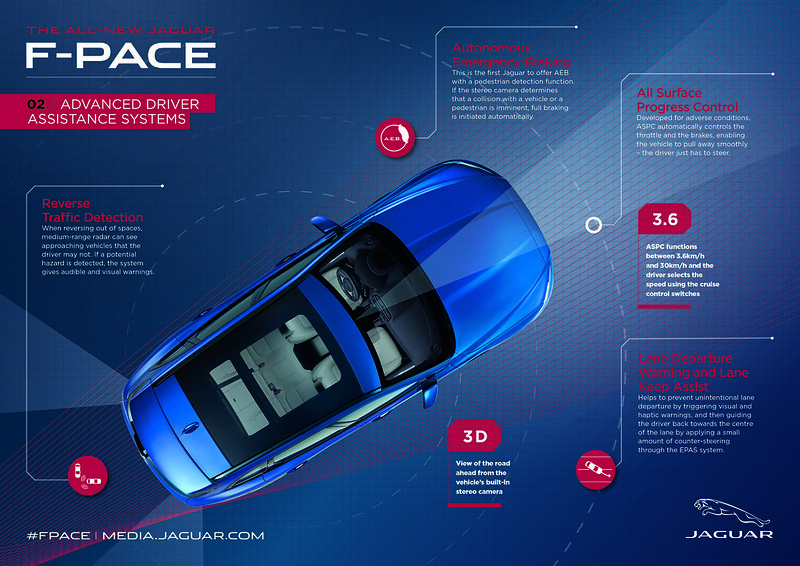
Numerous automakers already present their driving tech as being capable ofFull Self-Driving.
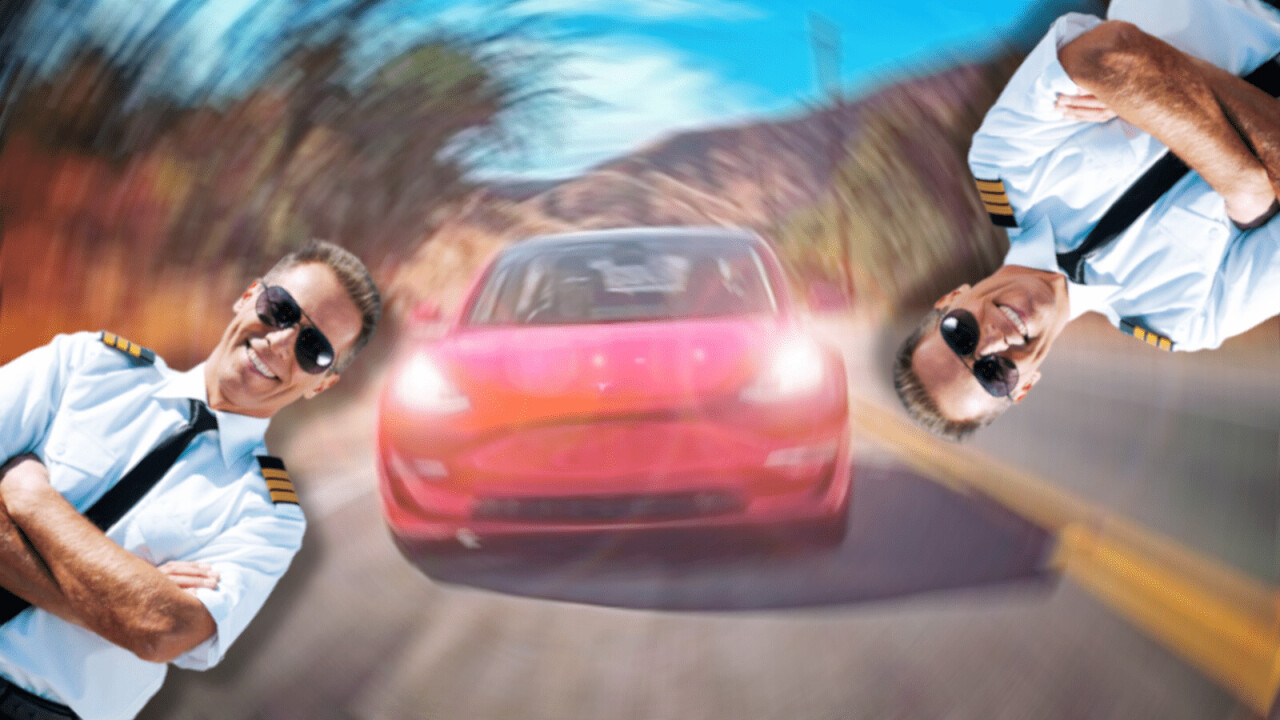
The reality, however, is starkly different and more nuanced than the industry openly admits to.
[Read:What is CHAdeMO?
40% off TNW Conference!
Dixon found her way into autonomous driving during her masters in Usability Engineering.
Where did it begin?
Dixon says its very difficult to say exactly where and when autonowashing began.
Rather, the phenomenon is something thats evolved alongside autonomous vehicle technology and narratives that surround the technology.
The concept of autonomous machines capable of sentient existence is nothing new.
Science fiction writers have been exploring the moral conundrums and infinite potentials of them for over 40 years.
In many of these fantastical scenarios, the results werent always positive.
Despite this fictional forewarning, companies that develop autonomous vehicles rely on selling a utopian vision of the future.
One where technology can only do good.
What is autonowashing?
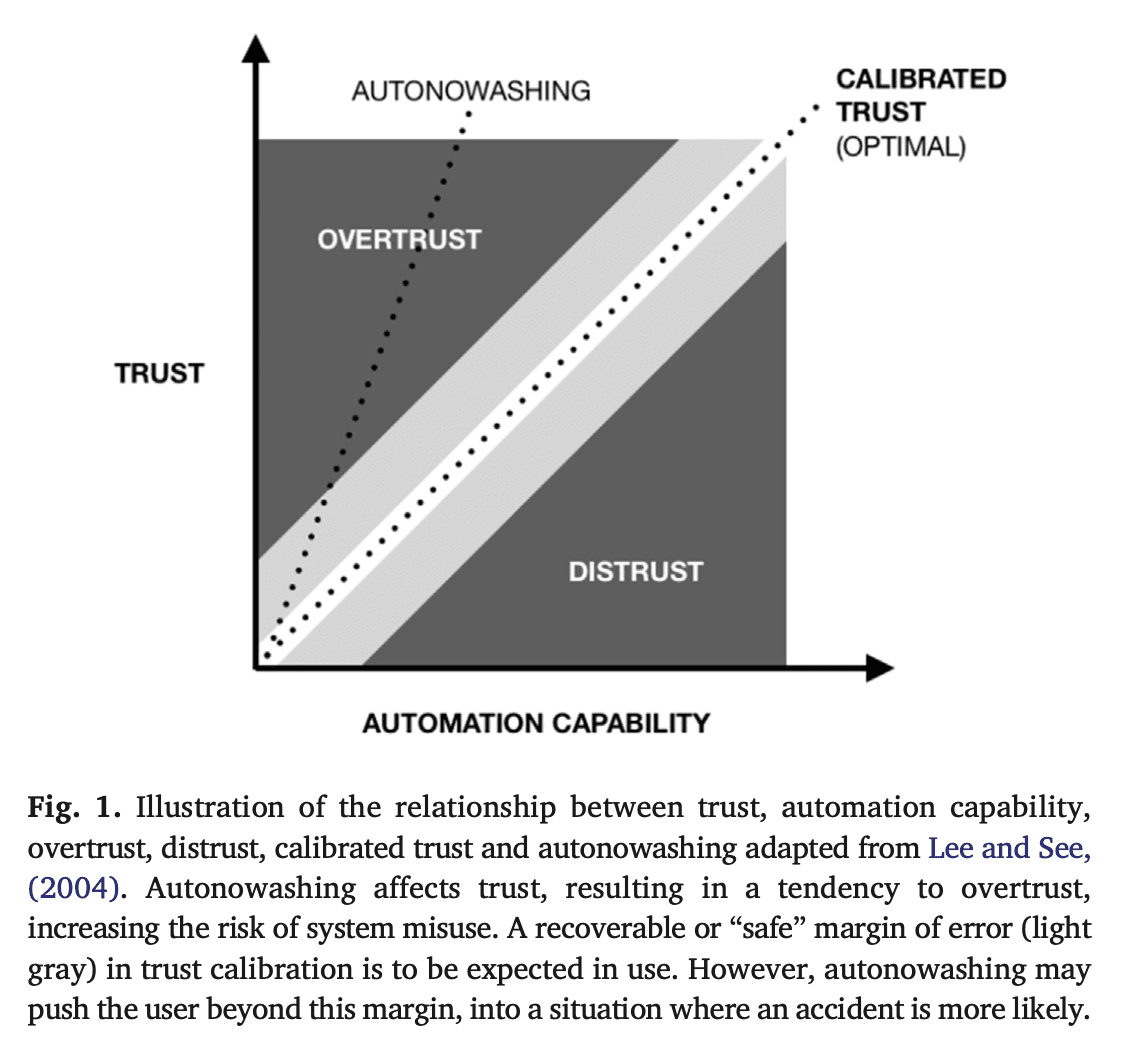
Autonowashing is similar to greenwashing, but applied to highly advanced vehicles, Dixon told me.
Heres a good round up from not-for-profit,Truth in Advertising.
The Society of Automotive Engineersdefined five nuanced levels of autonomy.
Each level describes a subtly different manifestation of the technology.
Level zero possess no autonomy whereas Level 5 is capable of true autonomous operation.
Thats not to say theyre so complex, the consumer could never understand them.
The point is, theyre not made to be consumed at a glance.
Theyre something that you better stare at and ponder, Dixon said.
Its not necessarily the SAEs responsibility to clarify these terms for the public, though.
Dixon says manufacturers have a lot more to do to ensure their vehicles are used safely and appropriately.
In an advertising campaign titled The FutureMercedes introduced an E-Class which it claimed could drive itself.
The advert reads:
Is the world truly ready for a vehicle that can drive itself?
An autonomous-thinking automobile that protects those inside and outside.
Ready or not, the future is here.
Mercedes initially fought the complaints, but in the end,the campaign was pulled.
Mercedes has been a lot more cautious and considered with its marketing since then, Dixon added.
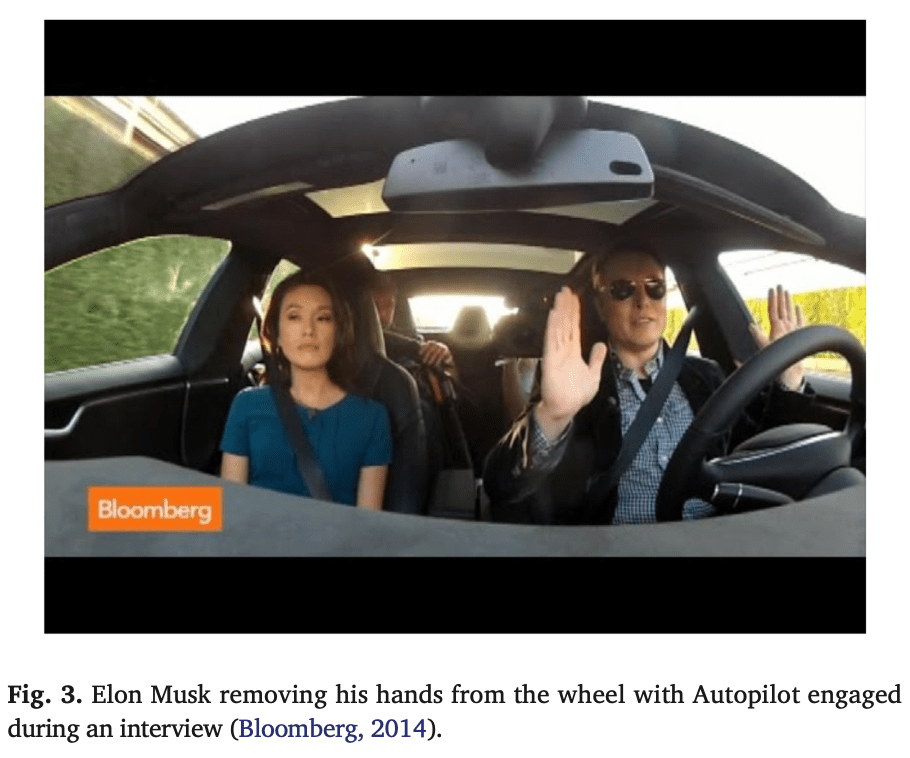
This might be because Tesla sells more Autopilot-equipped cars than other manufacturers do with competing systems.
But it might also be selling more cars equipped with these systemsbecauseit oversells them.
What Tesla presents is an incredibly sexy proposition.
Fast, eco-friendly cars that can drive themselves its understandable why people are so interested.
However, to market them as such is misleading.
Which only further serves to perpetuate the confusion, unclear definitions, and overselling of the technology.
Ultimately, they dont truly understand the capabilities and limitations of their vehicle.
Dixon calls this miscalibrated trust, but it doesnt have to be this way.
Trust becomes miscalibrated when drivers dont understand their vehicle but think that they do.
Its important to identify when autonowashing is occurring and take action.
As it stands, there is also no standardized public terminology for discussing autonomous and high-level driver assistance systems.
Every car brand calls its system whatever it wants, and describes them however they see fit.
Fixing this ambiguous terminology should be step one.
Ultimately it boils down to manufacturers adopting common and clear language, Dixon says.
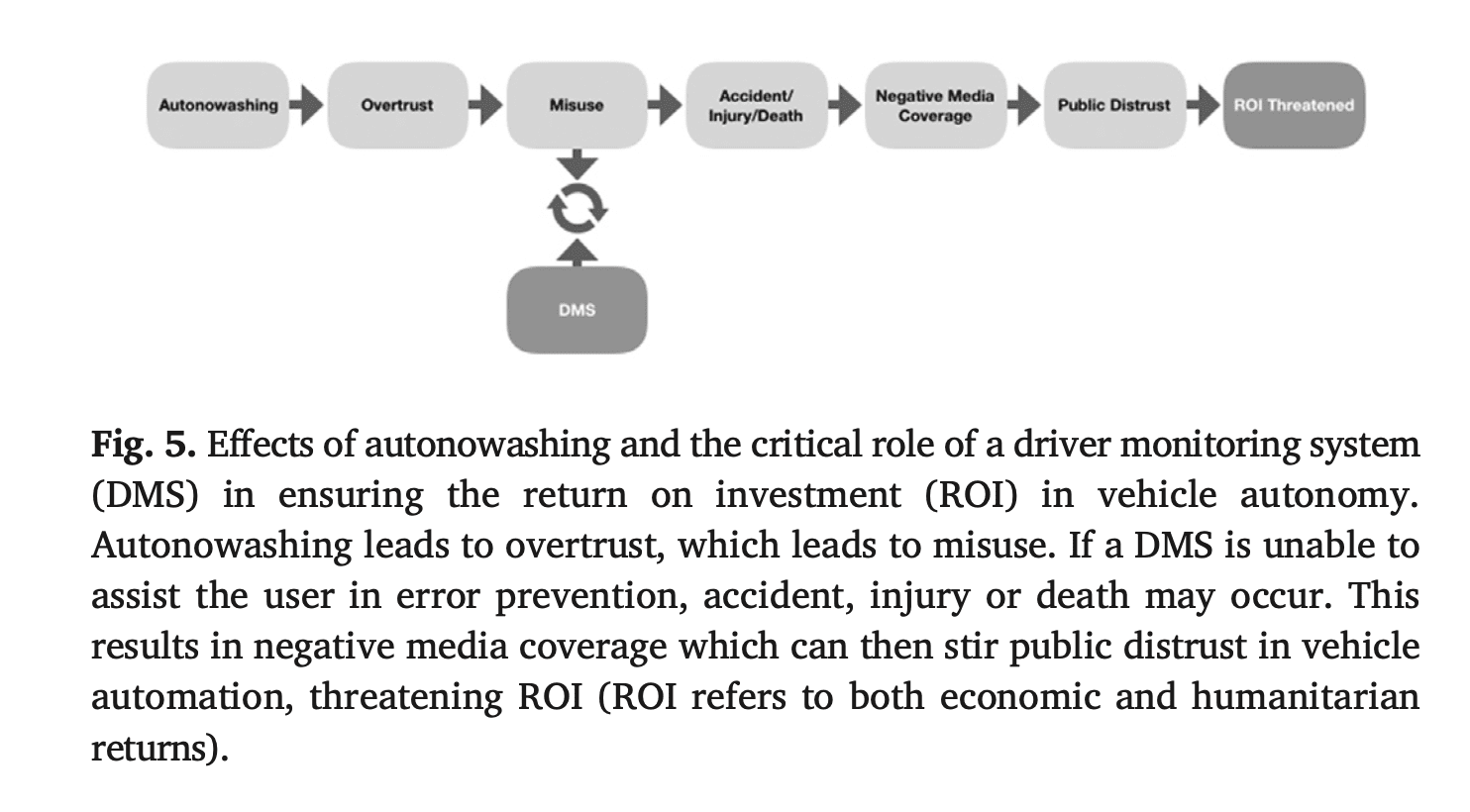
The DMS is really the final step in calibrating trust, Dixon said.
Manufacturers are aware they need to do more.
Five manufacturers replied promptly, saying they were working to implement the recommendations.
Tesla, on the other hand, ignored the NTSBs communications.
If this doesnt happen, automakers will pay the price in the end.
Credit: Liza Dixon - Transportation Resarch
Autonowashing leads to bad experiences.
Eventually, customerswillwise up and stop buying into oversold promises and stop buying those vehicles.
Assuming they dont take stronger action.
Another similar survey came to the same conclusion: Americansdont understand or trust vehicle autonomy.
A study conducted by consumer insights firm JD Power which found thatAmericans dont understand electric or autonomous vehicles.
It seems this stems from a severe lack of awareness and education on the topics.
Until then, be conscious that what youre being sold might sound sexier than it actually is.
If you want to read the full paper,click here.
Story byMatthew Beedham
Matthew is the editor of SHIFT.
He likes electric cars, and other things with wheels, wings, or hulls.
