These controls will supplement existing resources at the border with Mexico.
According to Biden, cameras, sensors, large-scale x-ray machines and fixed towers will all be used.
It’s free, every week, in your inbox.
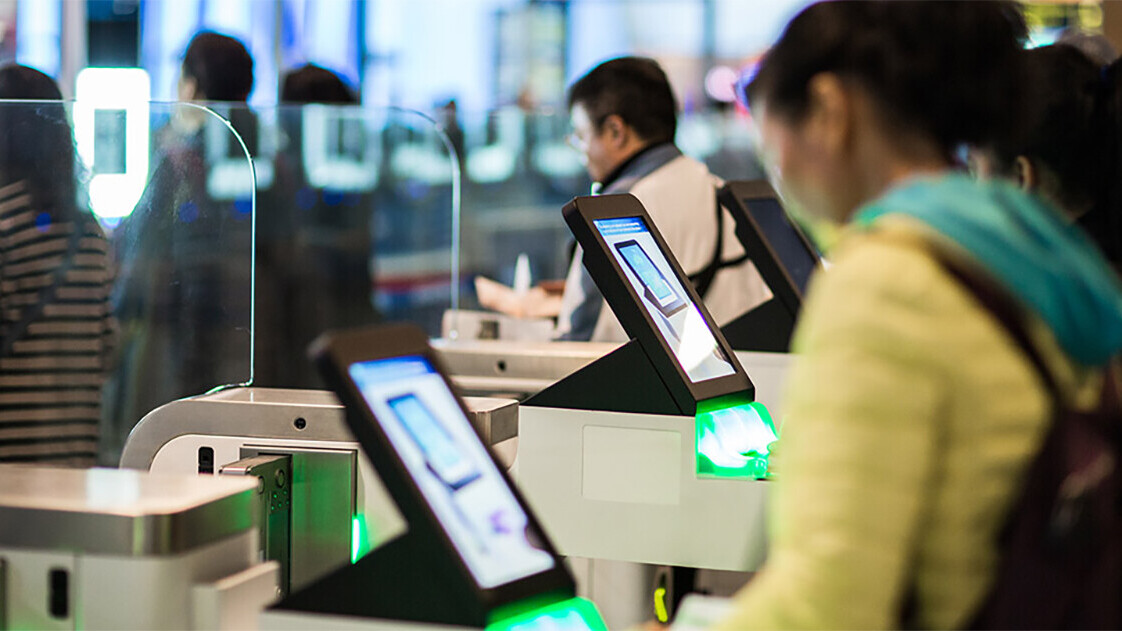
Avatarsquestioned travelers about themselves and their trip while webcams scanned face and eye movements.
Europes border and coastguard agencyFrontexhas also beeninvesting inborder control technology for several years.
Since last year, Frontex hasoperated unmanned dronesto detect asylum-seekers attempting to enter various European states.

These arent expected to be operational until at least 2023.
Last year, the Department of Human Services implemented theEnterprise Biometric Identification Services.
The system was reportedly rolled out to meet an expected surge in demand for visa applications and citizenship.

It combinesauthenticationtechnology withbiometricsto match the faces and fingerprints of people who wish to travel to Australia.
But data misuse by governments is well documented.
Refugees in various countries, including Kenya and Ethiopia,have had their biometric data collectedfor years.

Data misuse can also happen when questionable science is involved.
For instance, emotion recognition algorithms used in unproven lie-detection tests are highly problematic.
The way people communicate varies widely across cultures and situations.
Technologies such as iBorderCtrl undermine the rights of migrants, asylum-seekers and all international travelers.
They could be used to refuse entry or detain travelers based on race or ethnicity.
Racial profiling at borders isnt uncommon.
It came to light again when New South Wales MP Mehreen Faruqiexperienced itat a US airport in 2016.
Facial recognition technology has already beenfound to be capable of bias against people of colour.
Enlisting this at airports and maritime borders where human rights havehistoricallybeen underminedon the basis of race could be disastrous.
In February, the European Court of Justice hearda casebrought by digital rights activist and German politician Patrick Breyer.
He is concerned the EU is being secretive about a scientifically highly controversial project funded by taxpayer money.
In Australia, theDigital Rights Watchis the main organisation that scrutinizes surveillance practices.
Of particularconcernis theTelecommunications and Other Legislation Amendment (Assistance and Access) Act 2018.
This gives the Australian Border Force extensive powers to search devices carried by people travelling internationally.
