Data gathered have produced images five times more sensitive and twice as detailed as previous ones.
What is radio astronomy?
Modern astronomy is a multi-wavelength enterprise.
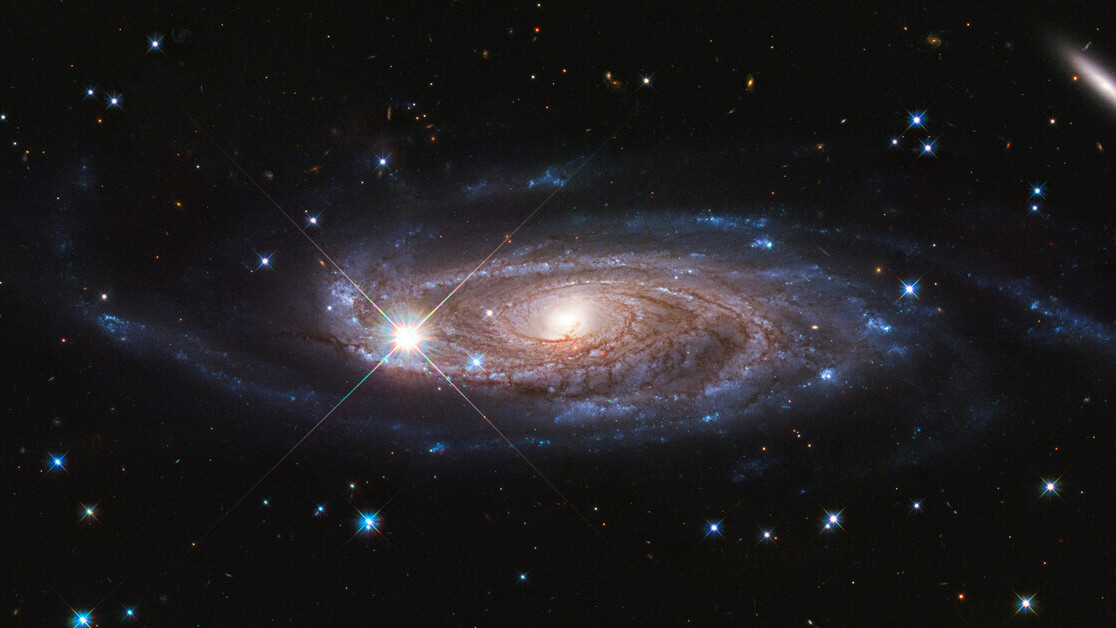
What do we mean by this?
To understand the universe, we need to observe the entire electromagnetic spectrum as each wavelength carries different information.
Radio waves have the longest wavelength of all forms of light.
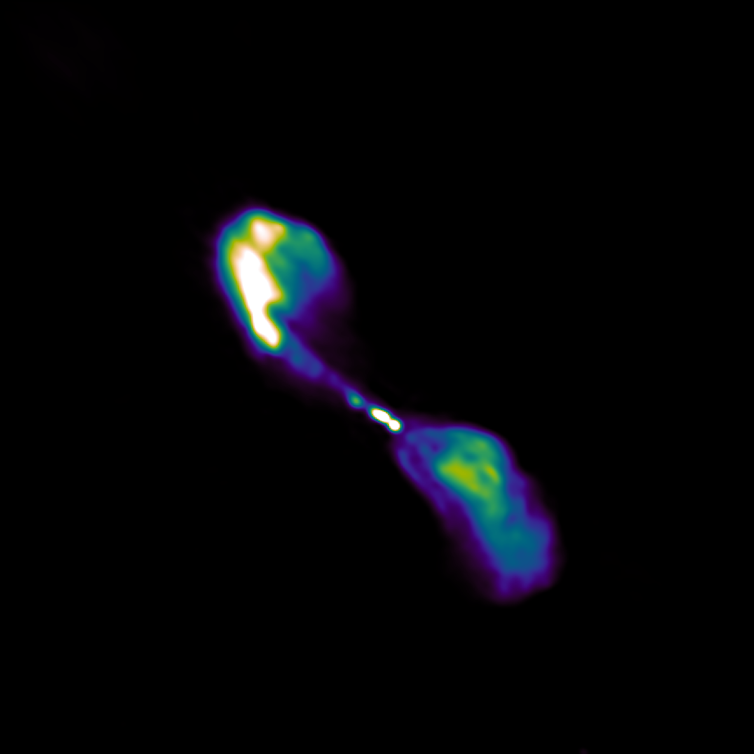
Australias wide open (but relatively low-altitude) spaces are the perfect place to build large radio telescopes.
Indigenous astronomers have appreciated this benefit for millennia.
With theRACS surveywe produced 903 images, each requiring 15 minutes of exposure time.

We then combined these into one map covering the entire area.
In our photos, however, nearly all the bright points are entire galaxies, rather than individual stars.
Why do we need to map the universe?
We know how important maps are on Earth.
They provide crucial navigational assistance and offer information about terrain which is useful for land management.
Similarly, maps of the sky provide astronomers with important context for research and statistical power.
Being able to conduct an all-sky survey in less than two weeks opens numerous opportunities for research.
For example, little is known about how the radio sky changes over timescales of days to months.
Apopular theorysuggests large galaxies grow via the merger of many smaller ones.
But the details of this process are elusive and difficult to reconcile with simulations.
TheASKAP radio telescope, which became fully operational in February last year, was designed for speed.
CSIROs engineers developed innovative radio receivers called phased array feeds and high-speed digital signal processors specifically for ASKAP.
Its these technologies that provide ASKAPs wide field of view and rapid surveying capability.
Over the next few years, ASKAP is expected to conduct even more sensitive surveys in different wavelength bands.
In the meantime, the RACS survey catalog is greatly improving our knowledge of the radio sky.
Itll continue to be a key resource for researchers around the world.
Full resolution images can be downloaded from theASKAP data archive.
This article byAidan Hotan, ASKAP lead scientist,CSIROis republished fromThe Conversationunder a Creative Commons license.
