On a cold winters night in London, Arsenal captain Martin Odegaard stood alone on the pitch.
Odegaard had another plan.
The 25-year-old wandered into a deserted patch of grass and began his routine.
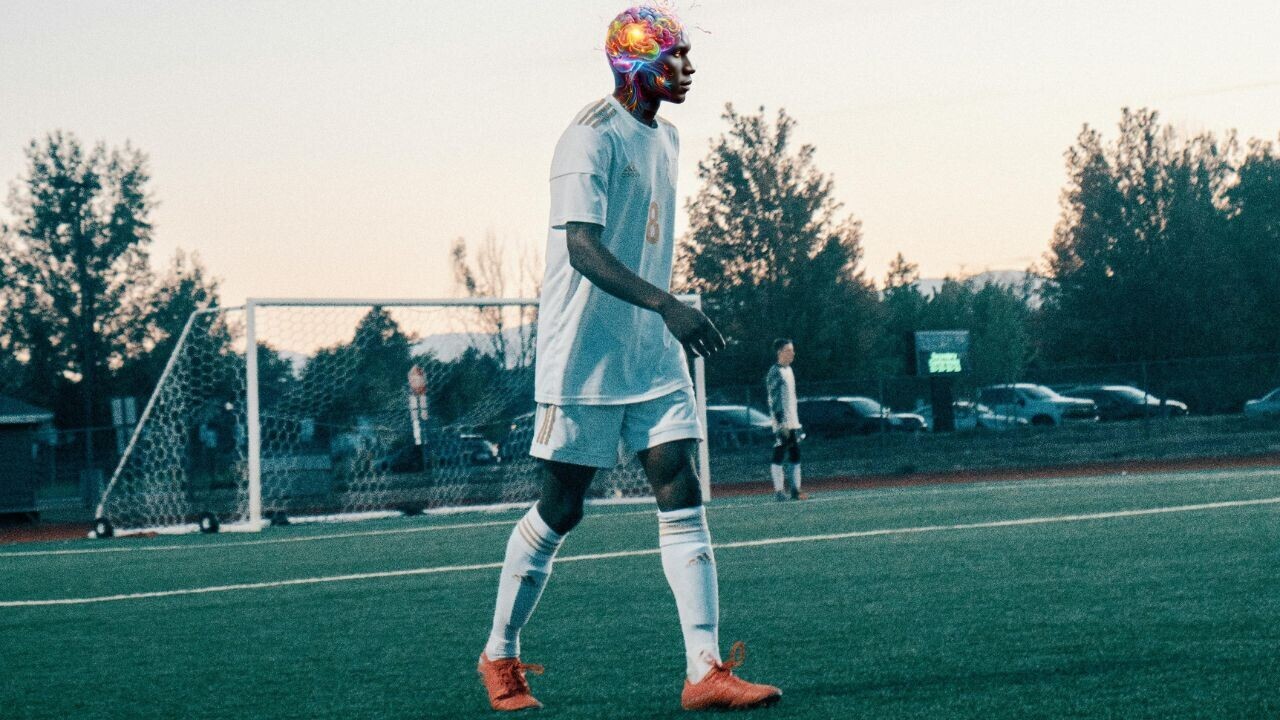
Suddenly, one training staff passed the ball towards his feet while another closed him down from behind.
That was it: check, the shoulder, took a touch.
Again and again, he repeated the routine.
There was no pass, shot, or trick.
It was all about that glance.
They call the technique scanning.
Odegaard is a master of the craft.
In a single game last March, the midfield maestro registered 493 scans a number experts called insanely high.
Yet there was a time when he couldnt manage even one.
40% off TNW Conference!
His football was over for the season.
So, it seemed, was his scanning.
Until he entered virtual reality.
Odegaard was introduced to thetechby a compatriot.
An Oslo-based startup calledBe Your Besthad developed VR software that generates scanning simulations based on real football matches.
The concept tapped into an emerging phenomenon in sports tech: brain training.
And its going to become more and more important.
With his body incapacitated, Odegaard welcomed the workout for his mind.
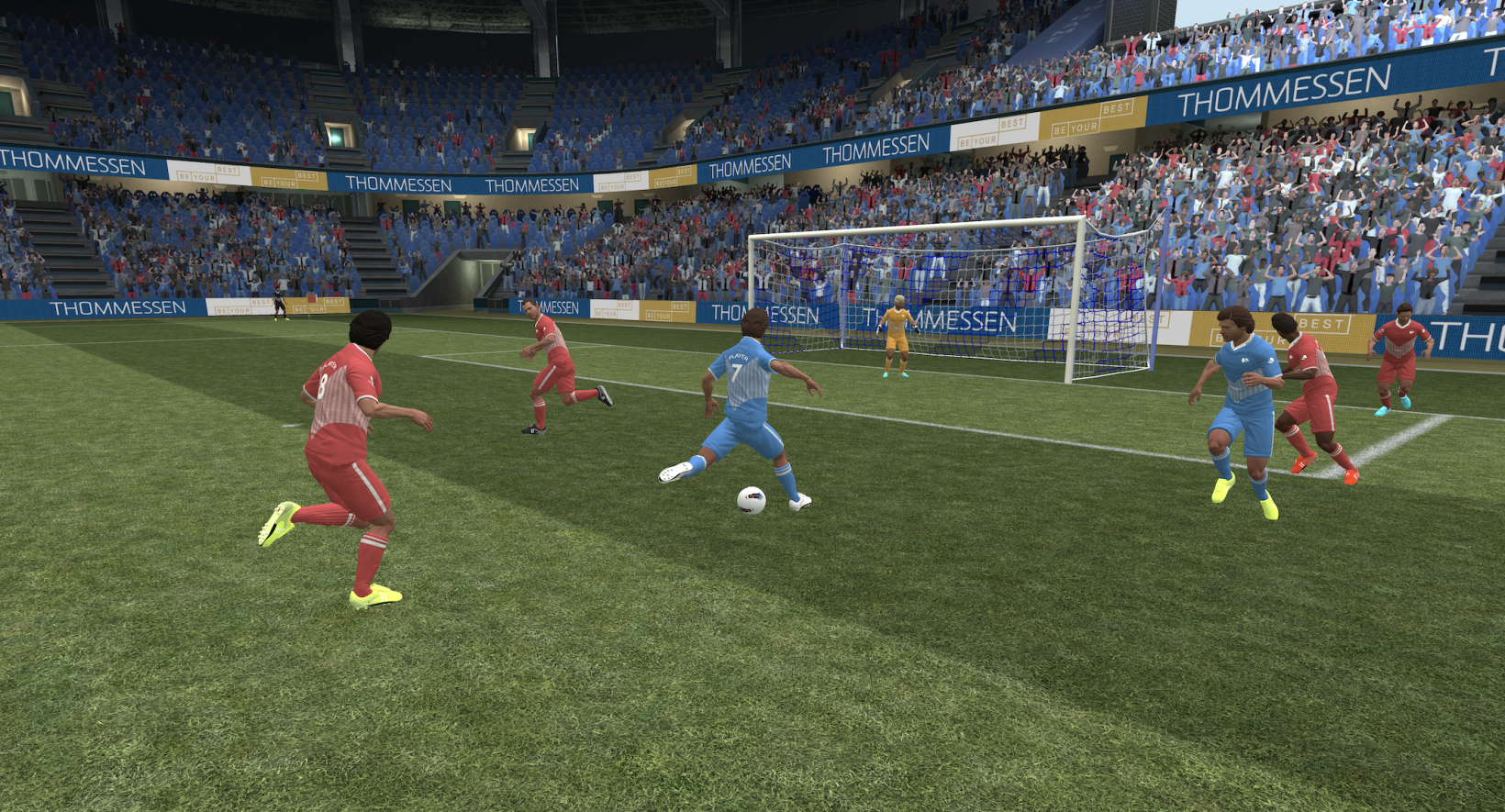
After strapping on a headset, he entered the first-person perspective of a player on a pitch.
With haptic controllers in his hands, he directed his avatar as the match progressed.
Additional measures assessed his situational awareness and decision-making.
Research suggests it works.
Its also surprisingly fun, as I found out for myself.
Odegaard provided a more illustrious endorsement.
He also contributed to the products development.
The playmaker wanted to test his skills at an even faster speed than elite-level football.
Be Your Best fulfilled the request.
Game intelligence
Had life taken a different turn, Olsen could have been a colleague of Odegaards.
As a child in Norway, hed been a promising prospect in the renowned academy of Viking Football Club.
Like Odegaard, Olsen suffered a devastating injury as a teenager.
But unlike Odegaard, he decided it was time to end his football dream.
Olsen transitioned to a career as a tech entrepreneur.
I couldnt say no, he says.
Memories from Olsens playing days guide his vision for the product.
He wants to allay the anxieties he felt in Vikings academy.
How can you decrease that feeling for players?
By training players in-game intelligence and their ability to scan.
That is a skill.
And its going to become more and more important.
Indeed, cognitive performance is attracting surging interest and investment across sports.
Its also ripe for digital disruption.
Digitising cognition
Contemporary sports science has pushed athletes close to their physical capacities.
With bodies near their limits, the focus is now shifting to the brain.
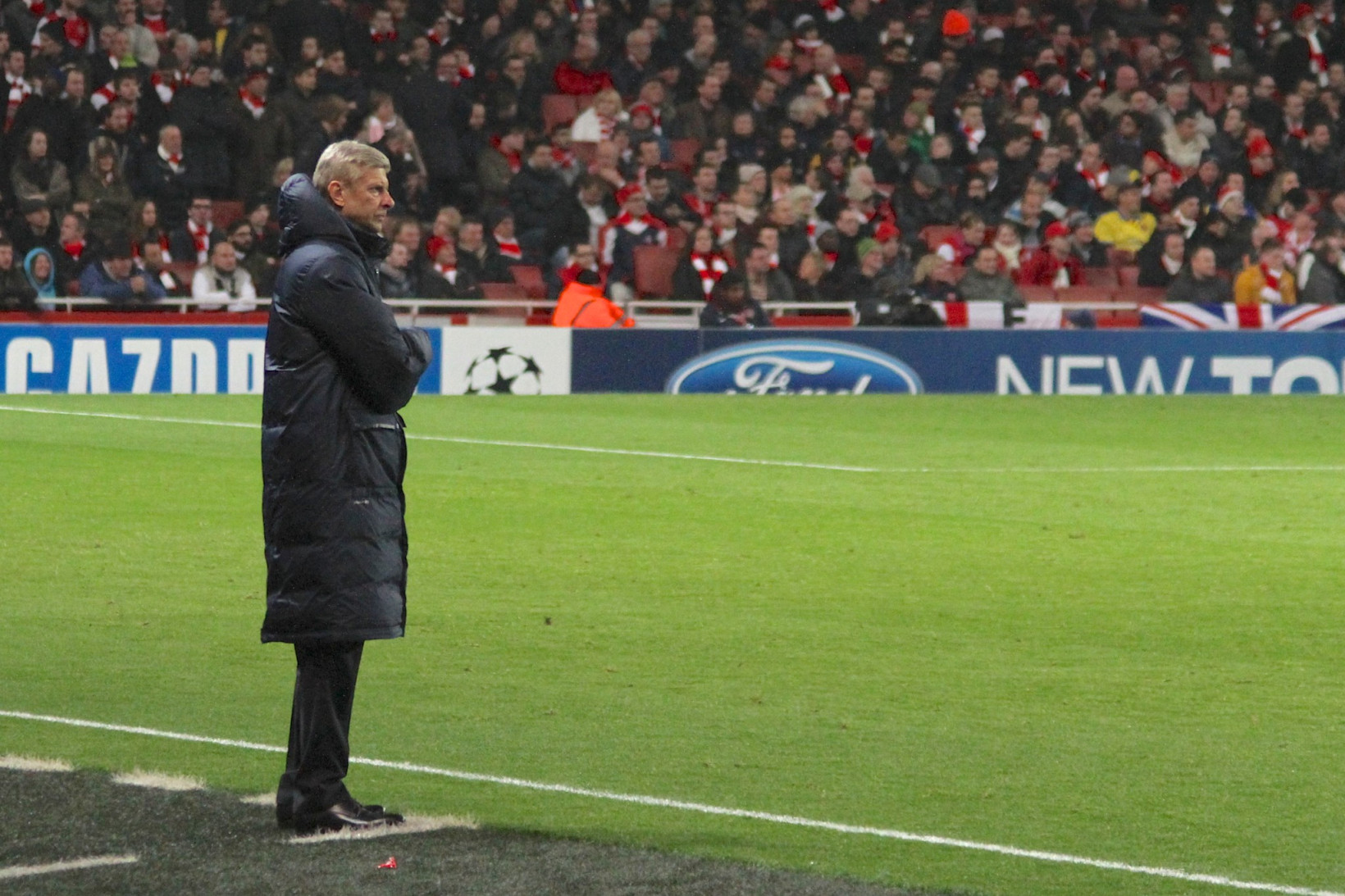
Arsenals former manager, Arsene Wenger, has promoted the transition.
Now the head of global football development at FIFA, the 74-year-old envisions cognitive tech turbocharging talent.
We have seen from feet to head everything has improved, Wenger saidin 2021.
The physical time dedicated to improve is now limited…
I see the next step being technology used to train our brain.
At many leading teams, that next step is already well underway.
Wenger has also closely embraced cognitive tech.
Still, Wenger was impressed with the results.
That use case was recently showcased by Real Madrid star Aurelien Tchouameni.
Last October, the France international tapped BYB to facilitate a move from midfield to defence.
At the very least, the training didnt hurt.
With Tchouameni starring in a new role as centre-back, Real won 4-0.
A football psychologist at the Norwegian School of Sports Sciences, Jordet pioneered the academic study of scanning.
Hes also the co-founder of Be Your Best.
In the research with Arsenal, Jordets team found a correlation between scanning frequency and passing accuracy.
They also learned that high scanners completed 75% of their forward passes the typical route to scoring goals.
For low scanners, the number dropped to 41%.
Elite players scan between teammates touches of the ball.
When the ball is touched, it changes direction/pace, so they look at the ball.
Those factors are particularly beneficial for midfielders, whose games rely on vision, creativity, and interplay.
Odegaard and Tchouameni are two prime examples.
Another is Kristian Thorstvedt, the aforementioned Norwegian international.
And the more control you have of your surroundings, the easier it is to make the right decisions.
Thorstvedts search for control led him to BYB.
Four years later, he still uses the software to mentally prepare for games or during recovery from injury.
It helps you gain so much, not only offensively but defensively as well.
But could it help lower-level midfielders as well?
What about the absolute dregs of the position?
I decided to find out.
Playing the game
Im in an empty London office wearing an Oculus headset and entering some tweaks.
Suddenly, Im launched onto a digital pitch in a virtual stadium.
The game begins immediately.
Surrounding players/teammates pass and move, while opponents take a stab at steal possession.
I roam the field, searching for the right time and place to receive the ball and pass.
But react with intelligence and you could create a goal.
I managed this a grand total of once.
Safe to say, the 120% speed wasnt necessary.
BYB didnt only expose my lack of skills.
It also demonstrated how much fun VR football simulations could be.
Unfortunately, theres still nothing close to the FIFA video game franchise in virtual reality.
At present, the technical requirements of hyper-realistic sports games are simply too complex forvirtual reality.
Another daunting barrier is the market size.
For now, the costs and complexities of producing realistic football games in VR appear insurmountable.
For training tools, however, the obstacles are smaller.
One group of them provides a particularly attractive target.
The Germany squad that won the recent under-17 World Cup is a prime example.
Another is the academy of former Champions League club giant Borussia Dortmund.
Like Odegaard, sometimes the teams have also contributed to the product.
FC Copenhagen, the reigning Danish champions, co-developed a cognitive assessment for the software called BYBCAT.
FC Copenhagen uses the tool to develop young talent.
Its an approach that Wenger supports.
Changing that circuit is particularly difficult for European clubs.
Across the continent, football training methods are deeply entrenched and new ideas met with scepticism.
In the US, cognitive training tech is more readily accepted.
Its a cultural divide thats impacted BYBs business.
Currently, the companys biggest market is the US, which accounts for about 50% of customers.
Still, there are signs that European attitudes are changing.
Football is now a global business in a digital era.
With split-second decisions winning matches and millions of euros the allure of cognitive skills is becoming irresistible.
This story is part of a new TNW monthly series on sports tech.
Story byThomas Macaulay
Thomas is the managing editor of TNW.
He leads our coverage of European tech and oversees our talented team of writers.
Away from work, he e(show all)Thomas is the managing editor of TNW.
He leads our coverage of European tech and oversees our talented team of writers.
Away from work, he enjoys playing chess (badly) and the guitar (even worse).
