Imagine walking through a bustling railway station.
Biometricsareunique physical or behavioural traitsand are part of our everyday lives.
Among these,facial recognitionis the most common.
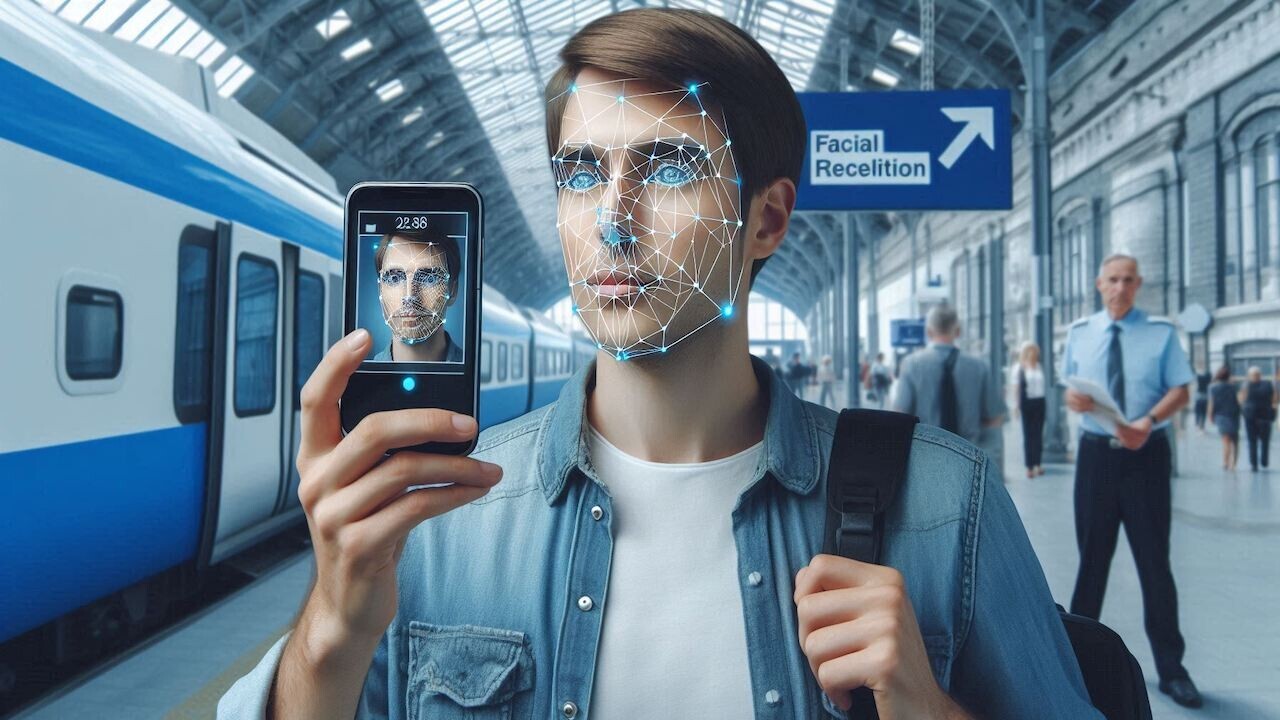
Facial recognition technology stems from a branch of AI calledcomputer visionand is akin to giving sight to computers.
The technology scans images or videos from devices including CCTV cameras and picks out faces.
The system typically identifies and maps68 specific pointsknown as facial landmarks.
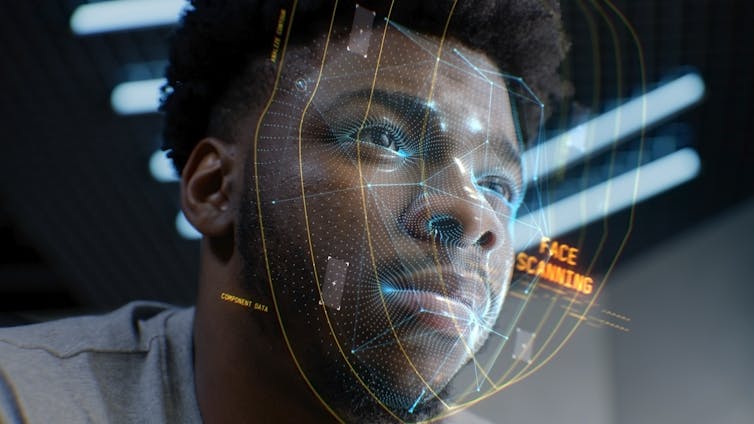
Algorithms should include a diverse set of facial landmarking data.
These create a digital fingerprint of your face, enabling the system to recognise you in real-time.
From supermarkets to car parks and railway stations, CCTV cameras are everywhere, silently doing their job.
But what exactly is their job now?

Capturing and storing biometric data without consent could violateour rights, including protection against surveillance and retention ofpersonal images.
Balancing safety,efficiency, andprivacy rightsis a complex ethical choice for businesses.
As consumers, we may often be reluctant to share our personal information.
Yet facial recognition poses more serious risks, such asdeepfakesand other impersonation threats.
Take for instance the recent revelation thatNetwork Railhas been secretly monitoring thousands of passengers using Amazons AI software.
One of the core challenges is the issue of consent.
This fundamental problem underscores the difficulty in resolving privacy concerns.
Think about your digital security.
If your password gets stolen, you’re able to change it.
If your credit card is compromised, you’ve got the option to cancel it.
Biometric data is incredibly sensitive because it cannot be altered once its compromised.
This makes it a high-stakes game when it comes to security.
If a database is breached, hackers could misuse this data foridentity theft, fraud, or even harassment.
Another issue isalgorithmic bias and discrimination.
Companies might use biometric data for authentication, personalised marketing, employee monitoring, and access control.
Companies should also be ensuring thatdigital biasis not perpetuated.
Failing to do so may lead tosocietal inequalities.
Legislation and awareness
As facial recognition becomes more common, the need for robust legislation becomes urgent.
Laws must mandate clear consent before capturing anyones biometric data.
They should also set strict standards for how this data is stored and secured to prevent breaches.
Its equally crucial that the public becomes more aware of the issue.
While people are becoming more conscious about data protection, facial recognition often flies under the radar.
Its invisible in our everyday lives, and many dont realise the risks and ethical issues.
Educating the public is vital.
Incorporating theprinciples of responsible AIinto the deployment of facial recognition technology would be a good place to start.
Responsible AI emphasises fairness, accountability, transparency, and ethics.
Transparency is a cornerstone of responsible AI.
Companies armed with only your personal information can be very powerful in terms of manipulative marketing.
It takes onlyone likefor bespoke campaigns to target you very accurately.
Thats why its growing use by businesses raises so many concerns about privacy and consent.
