My ancient Samsung Galaxy is ready for retirement.
Cracks expand across the screen, photos are hazy blurs, and the battery barely survives a day.
Its time to buy a replacement.
While mulling over the options, a serendipitous email arrived in my inbox.
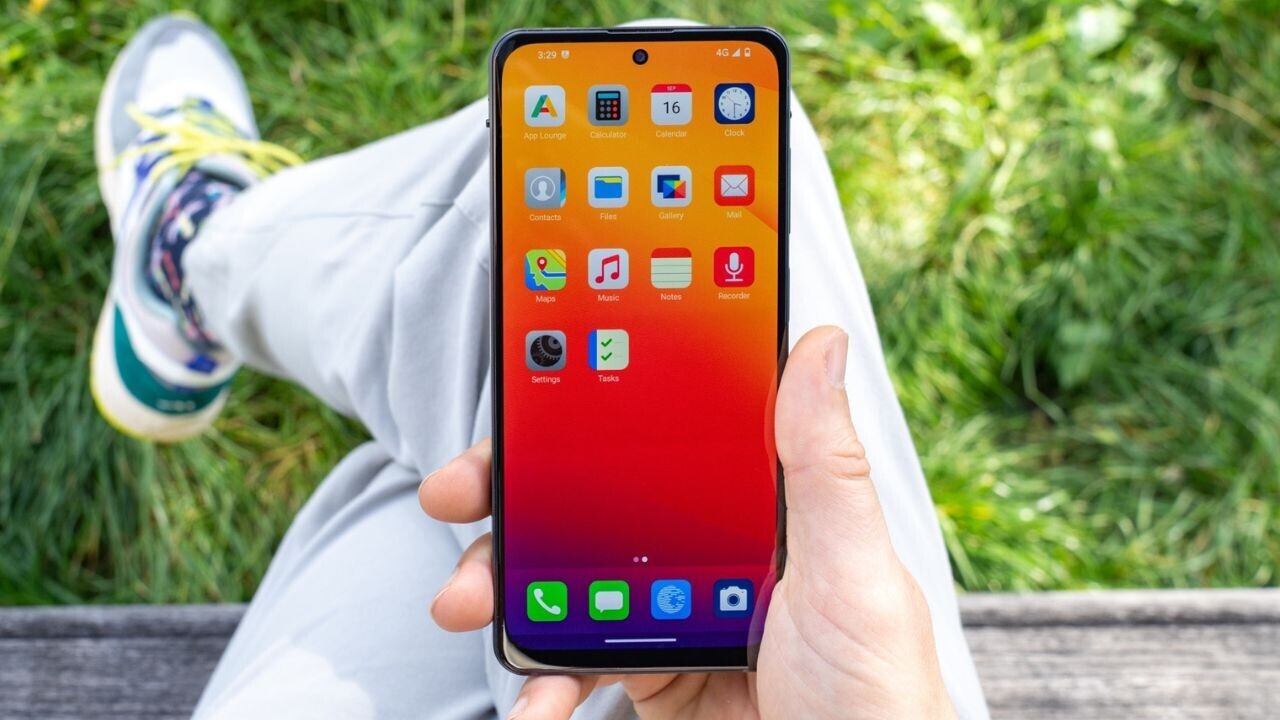
A budding phonemaker called Murena was building a new handset with a bullish promise: the ultimate pro-privacy smartphone.
Several US government agencieshadbeen illegally using location data taken from mobile apps.
In one case, an official had tracked coworkers for personal reasons.
40% off TNW Conference!
Prince Harry has also won the latest stage in hislawsuitover alleged phone hacking by newspapers.
The frequency of the offences has a numbing effect.
In the decade since Edward Snowden exposed rampant surveillance of our devices,eavesdroppinghas become just another boring dystopia.
Our nonchalance is reinforced by a sense that ordinary folk arent impacted but that may be wishful thinking.
Just a fortnight ago, reports emerged that British police arerequesting datafrom menstrual tracking apps after unexplained pregnancy losses.
Average Janes and Joes face a further threat from big techs push into health insurance.
Any company that sets insurance rates will find enormous value in the personal data on our phones.
Theres also a more pressing danger lurking.
For us, this is the biggest issue.
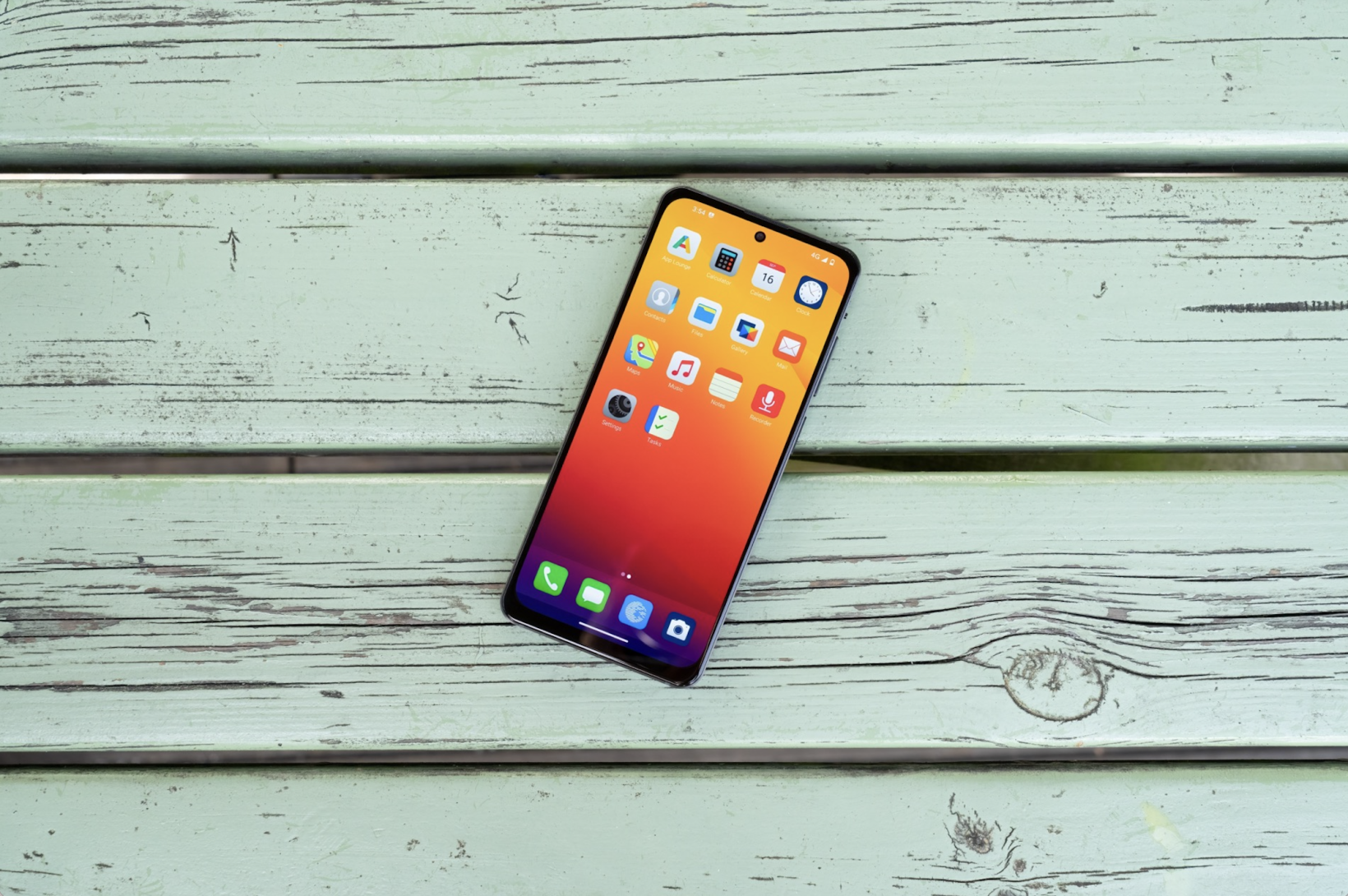
The Murena 2 aims to mitigate this risk.
Set to launch in December, the handset promises unparalleled levels ofprivacy.
To test the claim, we got our hands on a prototype of the equipment.
Our trial doesnt have the most encouraging start.
Its an inauspicious welcome, but Murena assures us that its just a teething issue with the pre-release model.
From that point on, the software ran smoothly which we had expected from Murena.
The operating system is open-source, which means anyone can probe the privacy protections.
By default, it doesnt send any data to Google or third parties.
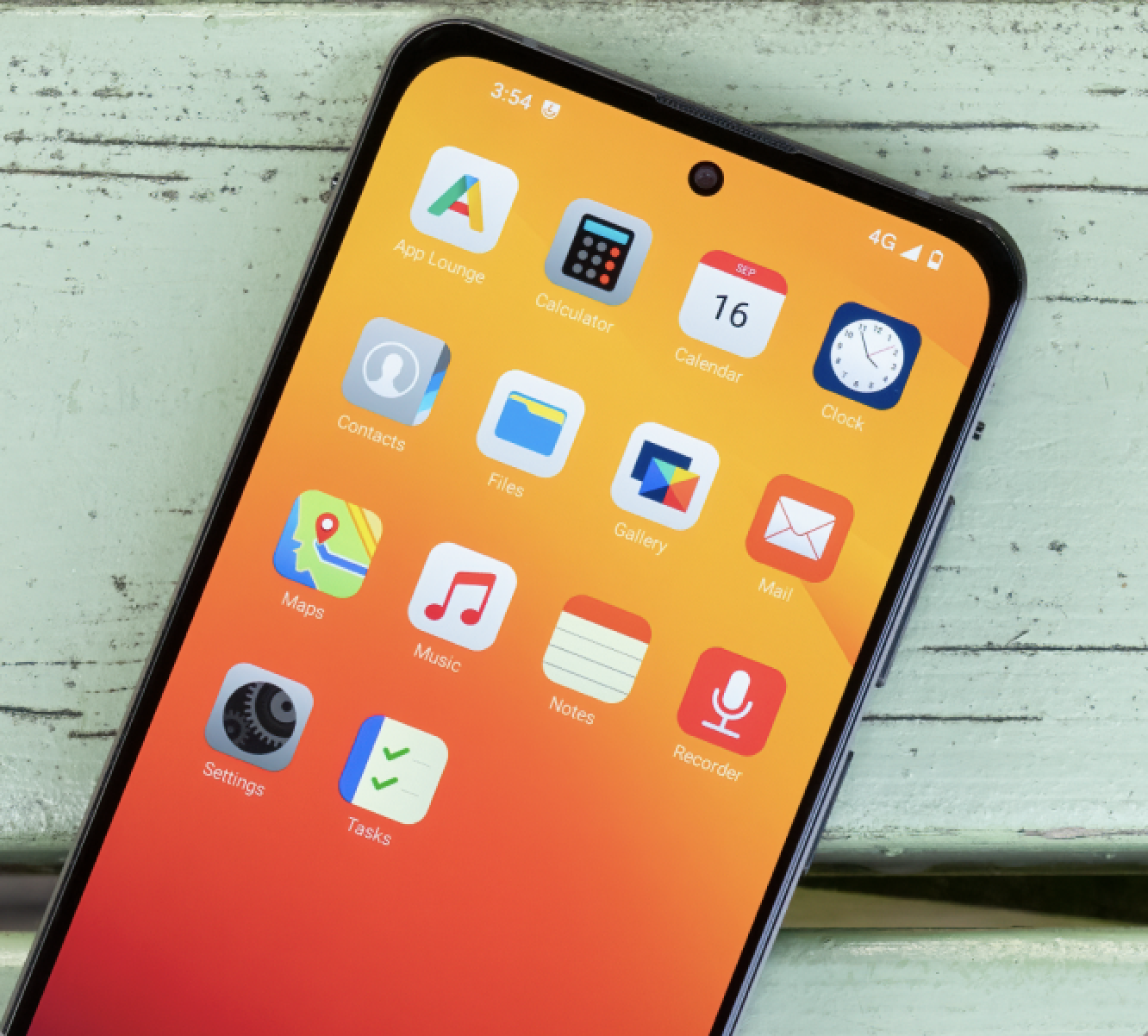
On launch, the Big Gs apps and services have been replaced by open-source versions.
If you do install more familiar alternatives, the tracking can be restricted.
That status quo is a duopoly thats dominated the sector for over a decade.
After Blackberry plummeted from the industrys pinnacle, Android and Apple devoured thesmartphonemarket between them.
The data that they send is diverse and detailed.
Some of this is shared when the phone is sitting idle in a pocket or bag.
According to the Trinity team, it could allow location tracking when location services are disabled.
They found that both Apples iOS and Android transmit telemetry despite users explicitly opting out of this.
The researchers also contested Apples claims of superior protection.
They argued that iOS offered no greater privacy than Google devices.
There is one obvious reason why its necessary: advertising.
Online ads provide the bulk of Googles revenues, and data provides the biggest selling point.
This personalised marketing can be convenient for consumers.
But it can also turbocharge political propaganda, disinformation, echo chambers, and exploitation of the vulnerable.
These issues extend from operating systems to apps.
To use Facebook, you must give the company almost full control of your machine.
All of this determines the ads we receive.
Sometimes, it also serves more nefarious purposes.
It was a damning breach for Facebook.
But the platform is far from the only app that puts our data at risk.
Murenas pitch for /e/OS is protection from them all.
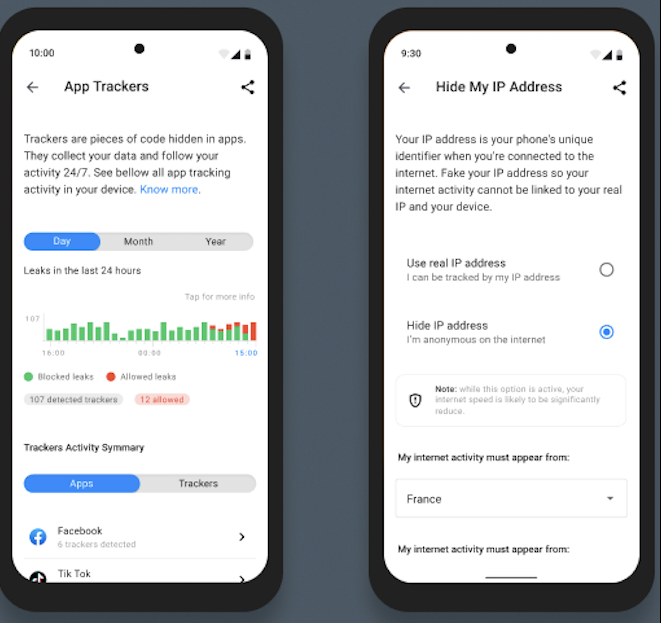
On /e/OS, every tracker is removed by default.
Extra privacy protections are also installed, while connections to Google are cut.
The deGoogling is extensive.
Thefull extentof the deGoogling is too broad to catalogue here although some still wish it was wider.
More on that later.
The OS is paired with an advanced privacy module.
you’ve got the option to then cut the tracking.
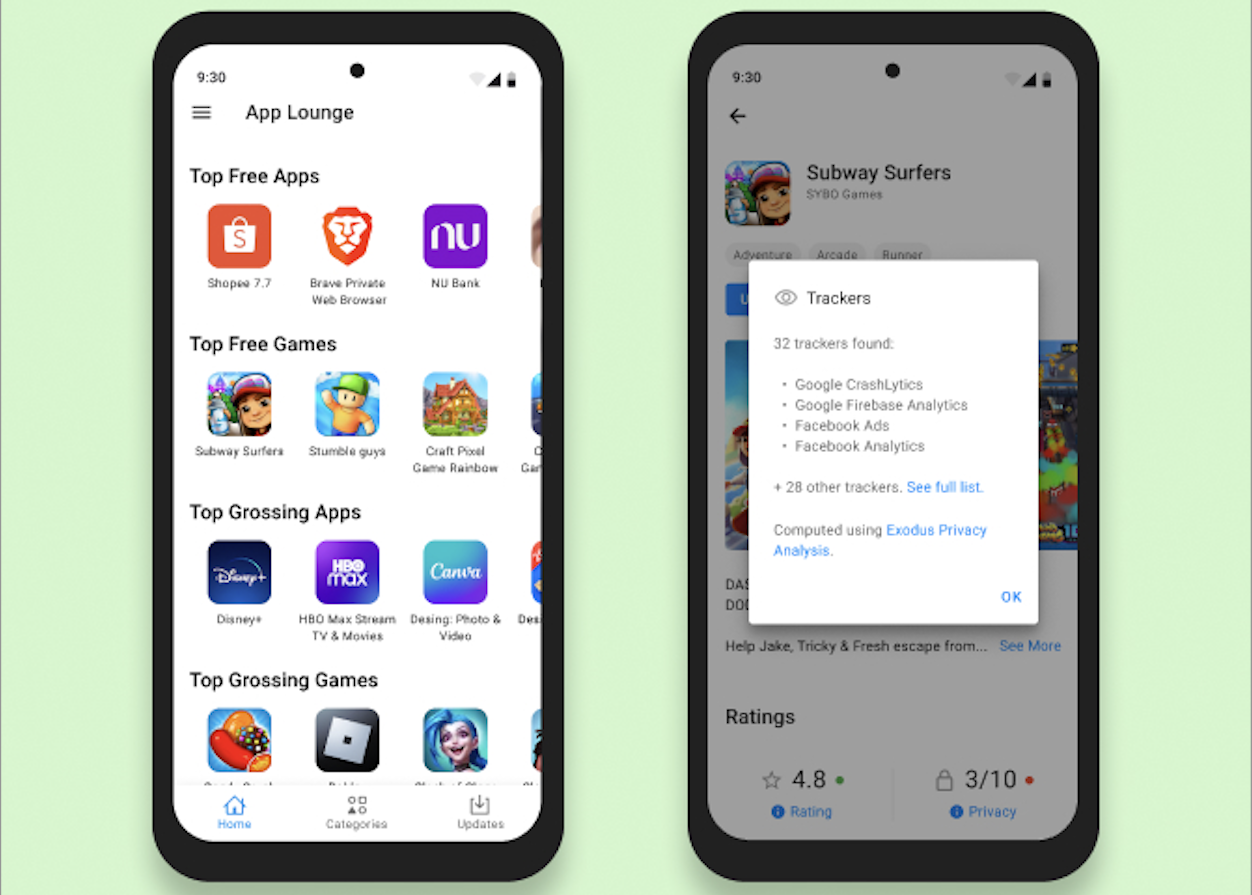
you’re free to also find privacy scores for each app, which contains some big surprises.
Facebook, for instance, got a whopping nine out of 10 for privacy the same as Signal.
LinkedIn and Spotify, meanwhile, were both given zero out of 10.
TikTok, abogey appfor many in the Western world, received a middling four.
Facebooks apparent superiority has a simple explanation: the app doesnt use trackers.
Yet it obviously still collects copious user data.
As Murena told TNW, Facebook doesnt need a tracker because it is already one big tracker.
Unfortunately, this somewhat devalues the privacy scores.
Thankfully, you might still fortifyyour defences against these snooping apps.
In our experience, the software performed pretty well.
Then there is the app store which is where the deGoogling gets contentious.
To access Google products, the system has a compatibility layer.
This means that you could still access Android apps.
These concessions haveirkedearly adopters.
Murena wants to create a deGoogled world, but wont fully cut connections to the tech giant.
Its struck a balance that wont satisfy every privacy advocate, but the business case is clear.
An absence of Play Store apps and Google services would likely send the gadget to an early grave.
It would certainly be a dealbreaker for me.
The compromise evokes the privacy paradox.
Noetinger sympathises with their plight.
We know that people need to access some applications because they dont have the choice, he says.
This way, it’s possible for you to still use the applications you need.
Another issue with the Google link is the App Lounge.
Murena acknowledges that theres an issue here.
The company told TNW that Google has hardened its account usage policy this year.
The company assures users that the App Lounges terms and conditions are compatible with those of Google.
Its successor adds several compelling features.
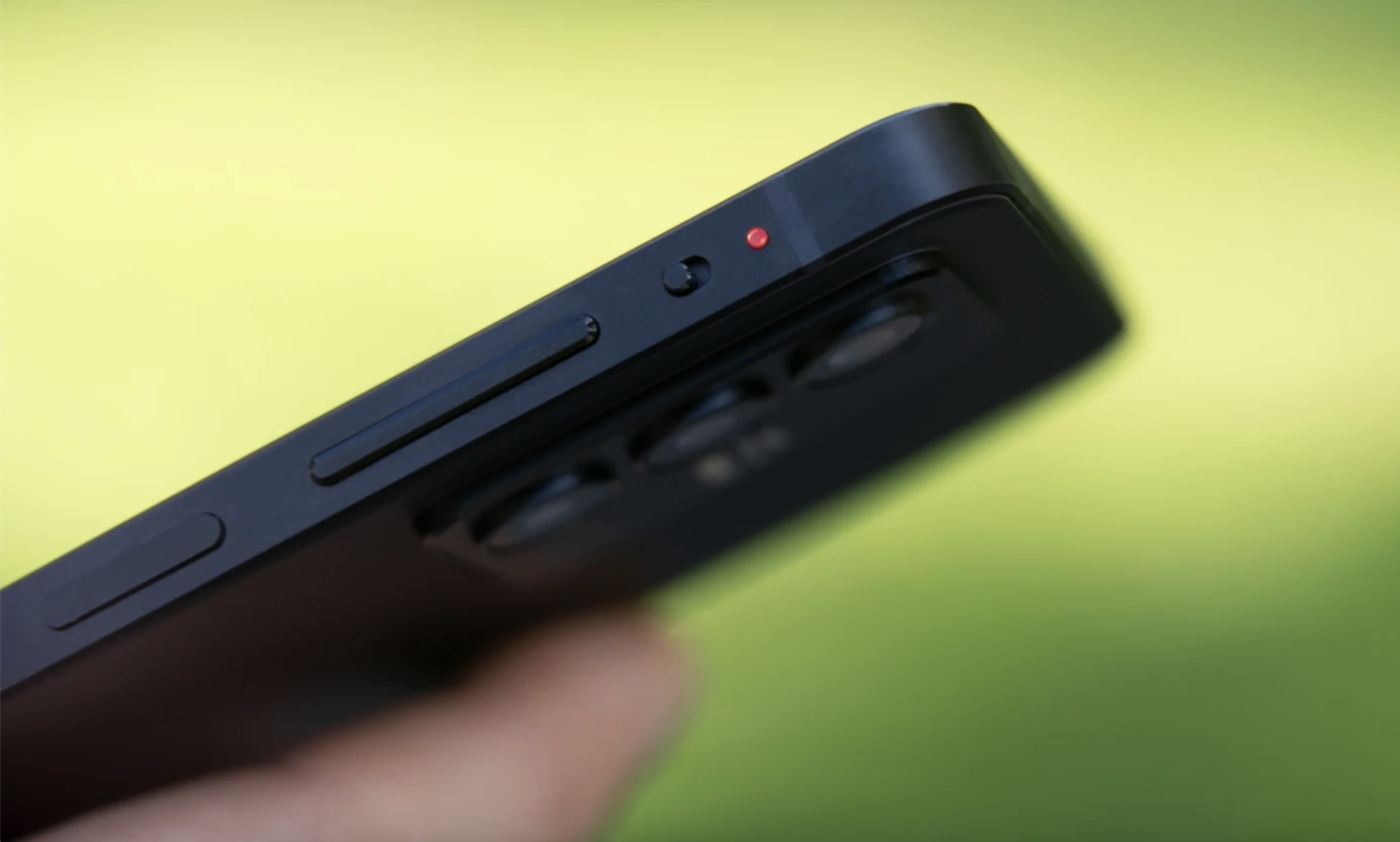
One that really caught our eyeis the new physical kill switch.
This disablesall the devices microphones and cameras, which many apps use for unspecified reasons.
Theyre also vulnerable to hacking.
During our trial, the button worked seamlessly.
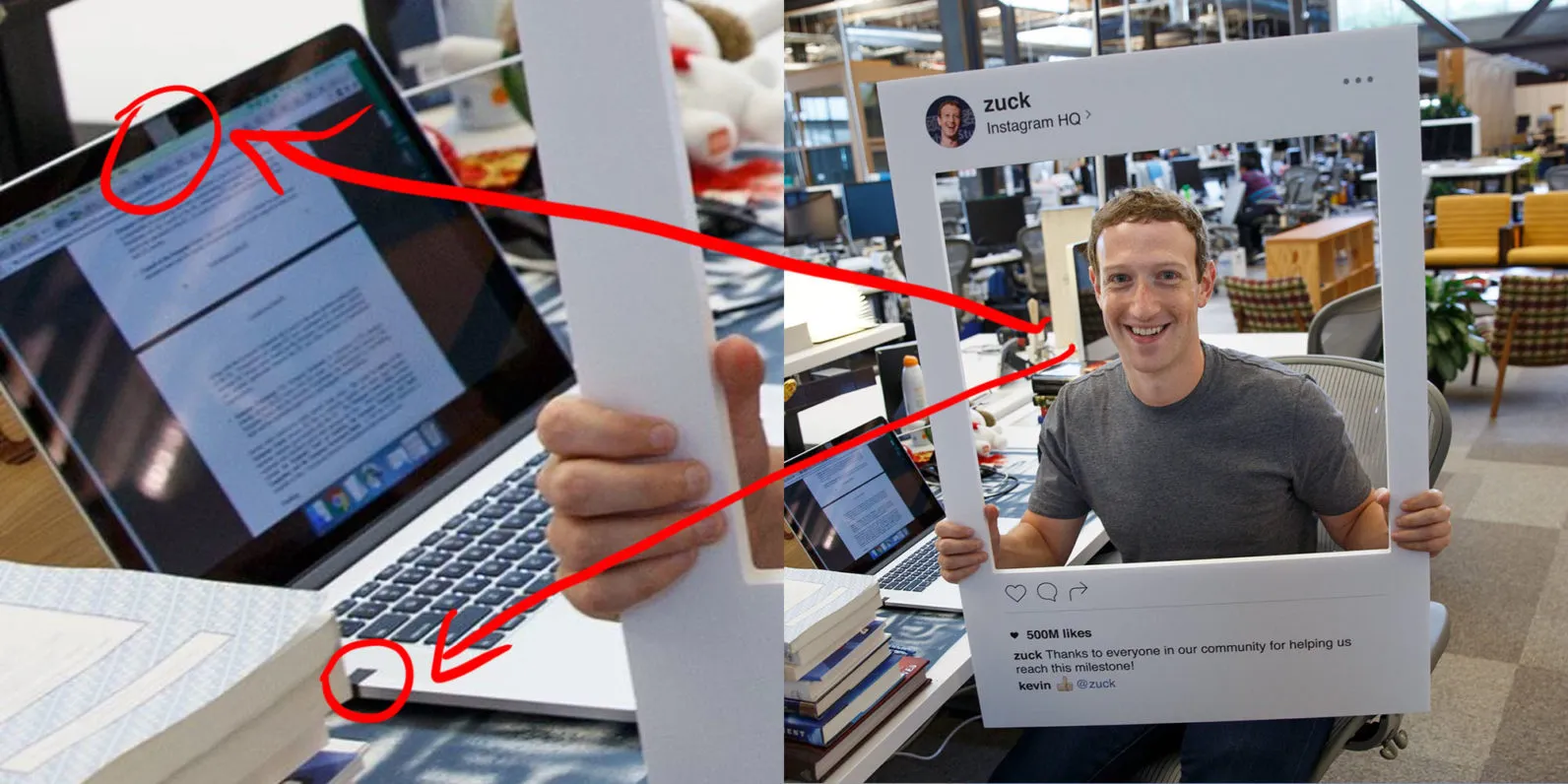
Its a feature that should impress even Mark Zuckerberg.
The Meta boss was once photographed next to a laptop with a physical cover over its webcam and microphone.
And if anyone should know about privacy threats, its the founder of Facebook.
A second new addition is a disconnection switch.
With a tap, the buttondisables all web connection activity and mutes the phone.
This one is primarily a do not disturb feature.
As for the conventional specs, theyre comparable to typical mid-range devices.
Undoubtedly, the pictures dramatically outclassed those from my decrepit Samsung although thats pretty faint praise.
If you want the finest photos and the leading specs, youll need a top-end phone.
Murena hopes the smartphones privacy edge attracts these regular consumers.
But the mass market remains a formidable target.
The mobile industry is mired in a historic downturn.
Stocks have slumped, sales have slowed, and innovation has stagnated.
In 2023, global smartphone shipments areprojectedto decline by 4.7% to 1.15 billion units a ten-year low.
These are challenging times for new entrants to the market but they also present opportunities.
A key problem for the sector is consumer apathy.
The latest iPhones and Androids simply arent as special as they used to be.
In these uninspiring times, the Munera 2 stands out.
Those charms, however, wont attract everyone.
Until that day comes, my ageing Samsung will have to survive a few more charges.
The Murena 2 is now available for preorderon Indiegogo.
The official public launch is planned for early 2024.
Story byThomas Macaulay
Thomas is the managing editor of TNW.
He leads our coverage of European tech and oversees our talented team of writers.
Away from work, he e(show all)Thomas is the managing editor of TNW.
He leads our coverage of European tech and oversees our talented team of writers.
Away from work, he enjoys playing chess (badly) and the guitar (even worse).
