Deepfakes have become alarmingly difficult to detect.
So difficult, that only 0.1% of people today can identify them.
Thats according toiProov, a British biometric authentication firm.
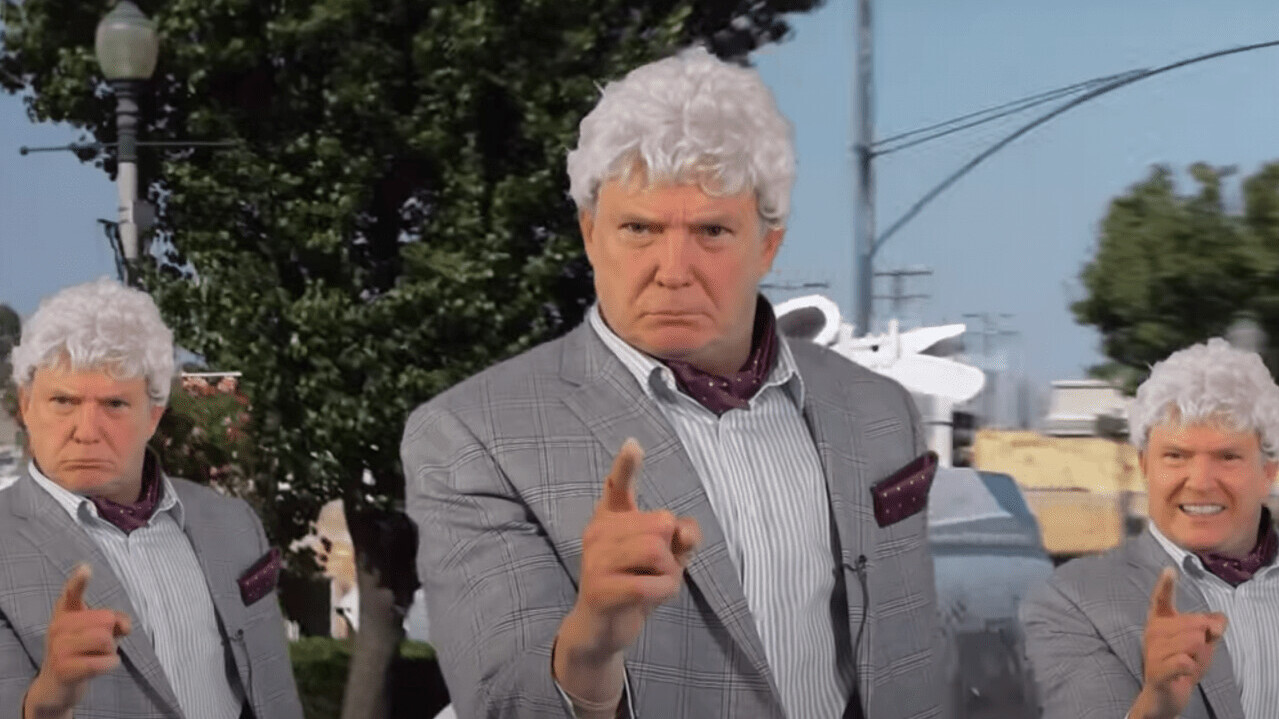
Sadly, the budding sleuths overwhelmingly failed in their investigations.
A woeful 99.9% of them couldnt distinguish between the real and the deepfake.
Think you could do better, Sherlock?
Youre not the only one.
40% off TNW Conference!
Still trust your nose for digital clues?
Well, it’s possible for you to test it for yourself in adeepfake quizreleased alongside the study results.
The quiz arrives amid a surge in headline-grabbing deepfake attacks.
In January, for instance, the tabloids were enraptured by one that targeted a French woman called Anne.
Scammers swindled her out of 830,000 after using deepfakes topose as Brad Pittwith deepfakes of the actor.
Poor Anne was roundly mocked for her naivety, but shes far from alone in falling for a deepfake.
The content is frequently weaponised for fraud.
A recent studyestimatedthat AI drives almost half (43%) of all fraud attempts.
Attackers have progressed from simple cheapfakes to powerful tools that create convincing synthetic media within minutes.
Deepfaking has become commoditised, Bud told TNW via email.
Its creating a perfect storm of cybercrime, as most organisations lack adequate defences to counter these attacks.
Traditional solutions and manual processes like video identification simply cant keep up.
AI will take centre stage atTNW Conference, which takes place on June 19-20 in Amsterdam.
Tickets for the event arenow on sale.
Use the code TNWXMEDIA2025 at the check-out to get 30% off the price tag.
Story byThomas Macaulay
Thomas is the managing editor of TNW.
He leads our coverage of European tech and oversees our talented team of writers.
Away from work, he e(show all)Thomas is the managing editor of TNW.
He leads our coverage of European tech and oversees our talented team of writers.
Away from work, he enjoys playing chess (badly) and the guitar (even worse).
