In the last few years, our awareness of the impact of carbon emissions has skyrocketed.
But does such an approach actually make a real difference to air pollution levels?
Lets take a look:
Whats the problem with cars?
You probably know the stats, but lets take just a quick refresher.
It’s free, every week, in your inbox.
Not all emissions are from cars though.

But 2020 research revealed that41% of global transportation emissionsare from ICE (gas) cars.
The older the car, the worse the pollution.
But things arent quite that simple.
EVs arent blameless
Its not just exhaust fumes from ICEs that are to blame.
In fact,55% of roadside traffic pollutioncomes from non-exhaust particles from both kinds of cars.
What are some initiatives?
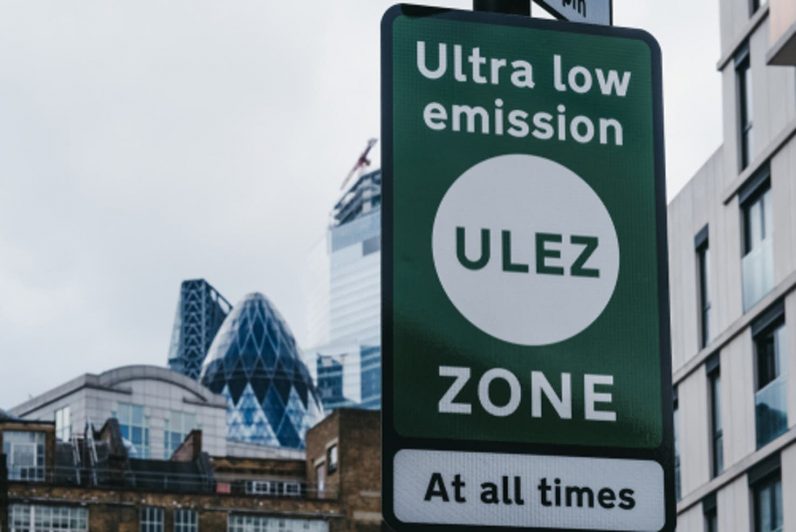
In London, the city charges drivers with high-emission vehicles a $15.40 fee to drive inside the zone.
Again, while EVs are far better, they are still a problem in high concentration.
Another approach is to make driving less appealing by limiting parking.
In 2016, Oslo removed parking from much of the city, including the center.
The Urban Environment Agency shows it got rid of4,775 parking spaces, replacing most with bicycle lanes.
Ok, that all sounds pretty good whats the problem?
The issue is displacement.
There are a few good examples in the UK.
He attributed Ellas worsening asthma to the cumulative effect of the toxic air Ella was breathing.
Ella lived within 30 meters of the South Circular Road, which caused her final acute asthma attack.
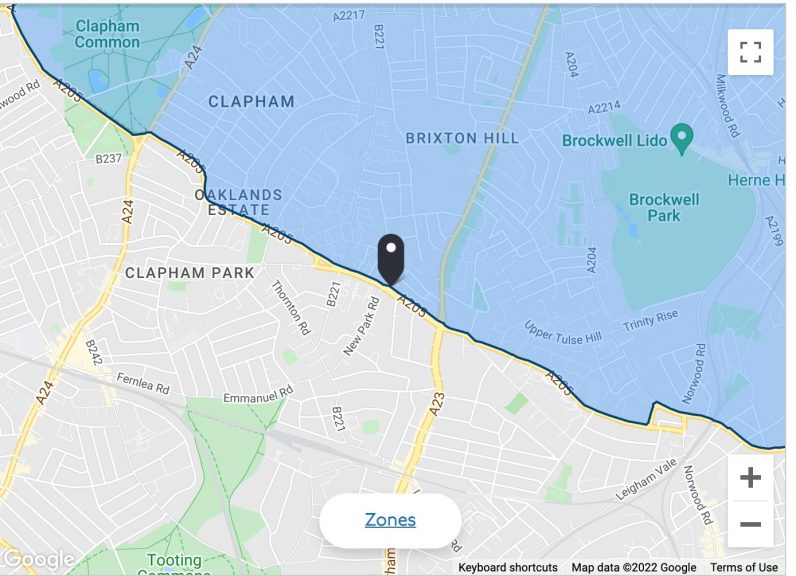
This map signifies where South Circular Road sits.
Just on the perimeter of the ultra-low emissions zone and next to a freeway.
Lets face it, living that close to a motorway makes it hard to address pollution.
It is also possible thattrafficincreases around the perimeter of cities as people look for payment-free routes.
Some states,like California, actually mandate that homes near freeways must come with indoor infiltration systems.
Other cities,like Seattle, are exploring construction like freeway lids to reduce air and noise pollution.
Its a pretty simple idea.
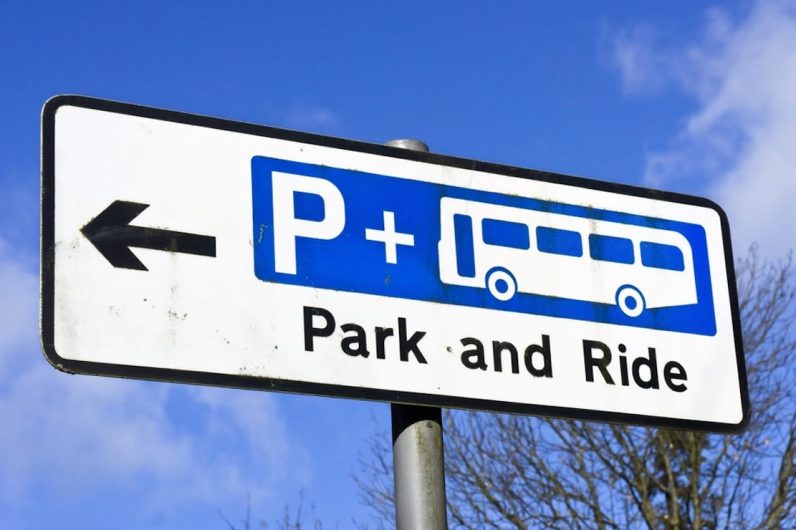
Car parks are situated outside the city center with regular buses or trains into the center.
However, this creates more traffic around the local area at peak times.
Is the solution to expand car-free zones?
There are actually a bunch of different actions required.
For example, in London, the local government identified 12 pollution hotspots that needed immediate attention.
They replaced buses in these areas with those that either meet or exceedULEZ standards.
In other words, fighting pollution is not just about eliminating cars.
This leads to one hour and 40 minutes of searching for parking every day.
Thats a lot of unnecessary driving and idling.
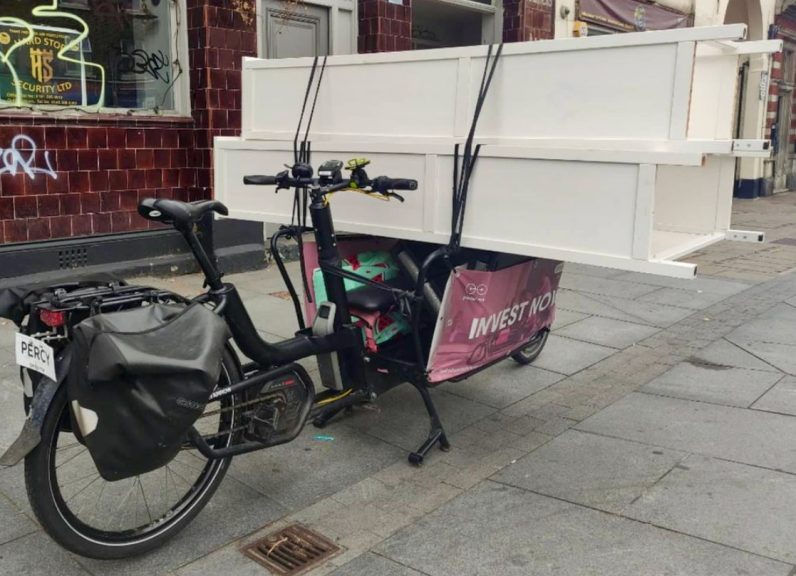
An alternative isdelivery cargo bikeswhich reduce the need for inner city vans for short-haul trips.
This is possible but its not gonna be easy.
Story byCate Lawrence
Cate Lawrence is an Australian tech journo living in Berlin.
