Stop for a moment and pay attention to the things around you.
The clothes youre wearing, the unit youre using, what youre sitting on, the building youre in.
What are they made of?
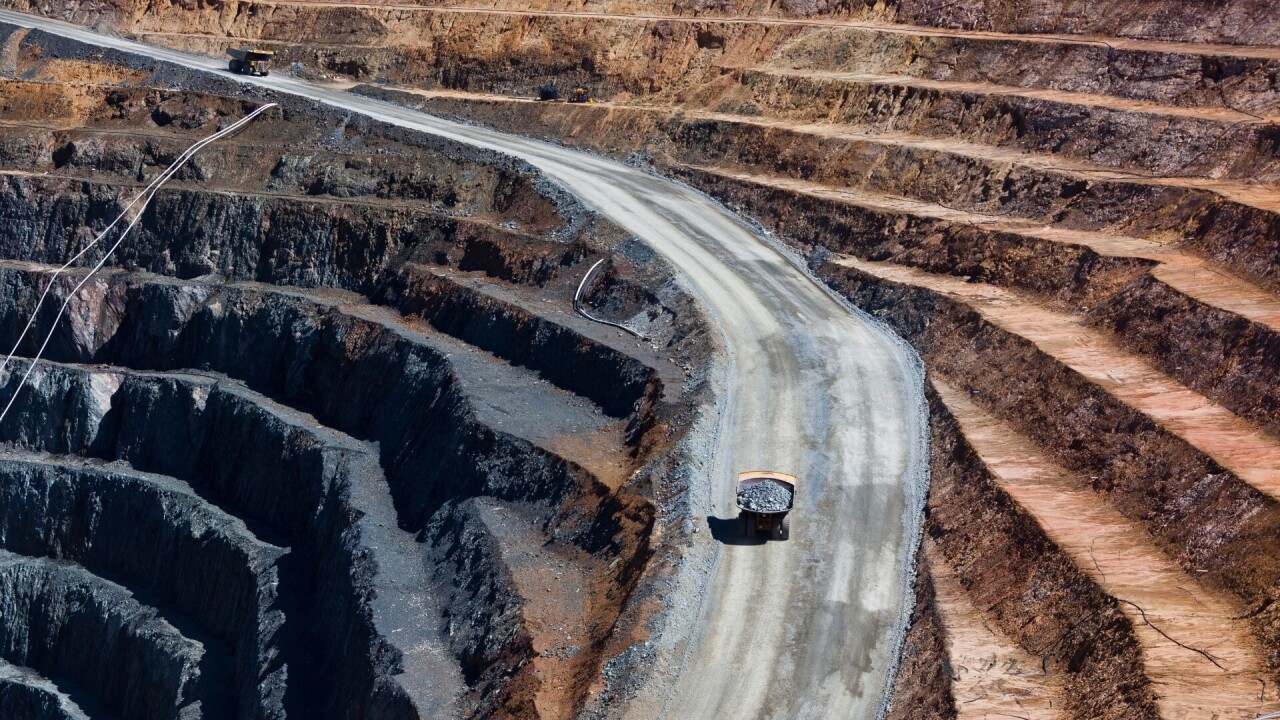
The UN predicts this will more than double by 2060 without a change to the current patterns of consumption.
Our insatiable appetite for more stuff threatens to exceed Earths limits.
Truesustainabilitydemands shifting to a circular economy that reuses resources, cuts waste, and restores nature.

Slashing carbon is just one piece of the puzzle.
Overeating
40% off TNW Conference!
The beast likes to dine on vast quantities of minerals, metals, biomass, and fossil fuels.
It devours these materials to fuel its growth to build things like roads, buildings, and cars.
What the monster doesnt use becomes waste.
Some of this waste comes in the form of farts and burps aka greenhouse gas emissions.
That metaphor was a bit of fun, but the problem of overconsumption is very serious.
And ironically, decarbonisation efforts could even be fuelling the problem.
The race to net zero is driving demand for everything from EVs and solar panels to semiconductors and batteries.
The inner ring represents the social foundation, the minimum standards for human well-being.
The goal is to live in the doughnuts sweet spot, where everyones needs are met within planetary boundaries.
In our rush to green the global economy, we are running the risk of breaching Earths outer ring.
Reaching Raworths sweet spot means breaking with ourlinear take-make-waste consumption habits and making them circular.
In a circular economy, products are designed to be reused.
Afterall, waste is just a resource in the wrong place.
Doing more with less
The first step toward a circular economy is ramping up recycling.
The factory is expected to process 60,000 EV batteries a year once operational, scheduled for 2026.
This would make it the largest such facility in Europe.
However, recycling should only be a final resort.
We need to prioritise sharing, maintaining, reusing, redistributing, refurbishing, and remanufacturing.
Keeping stuff in circulation for as long as possible will dramatically reduce the need to mine new resources.
Take the example ofBikeFlip, recently founded by five students from Utrecht University.
Other ventures are working on reusing entire buildings.
A healthy society uses natural resources efficiently and sustainably, much like a well-functioning body.
It extracts resources at a rate that allows nature to replenish them.
It minimises waste and reuses materials whenever possible.
Story bySion Geschwindt
Sion is a freelance science and technology reporter, specialising in climate and energy.
