This, of course, didnt last.
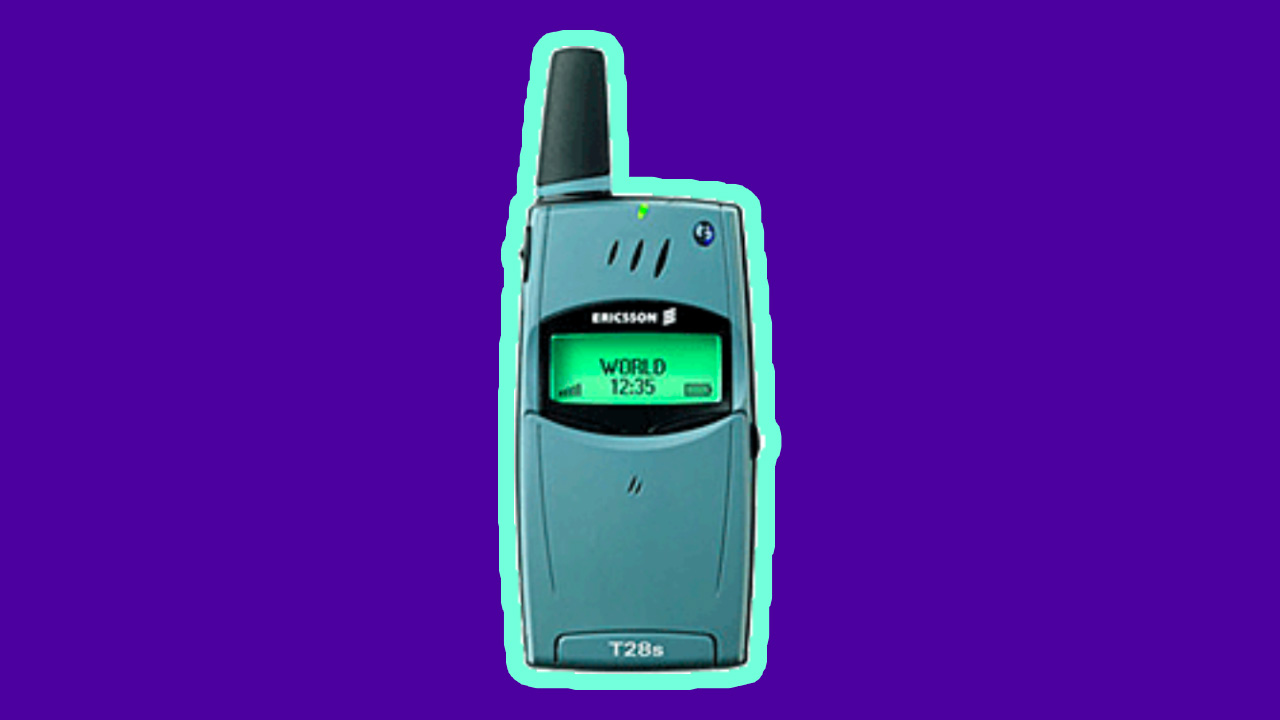
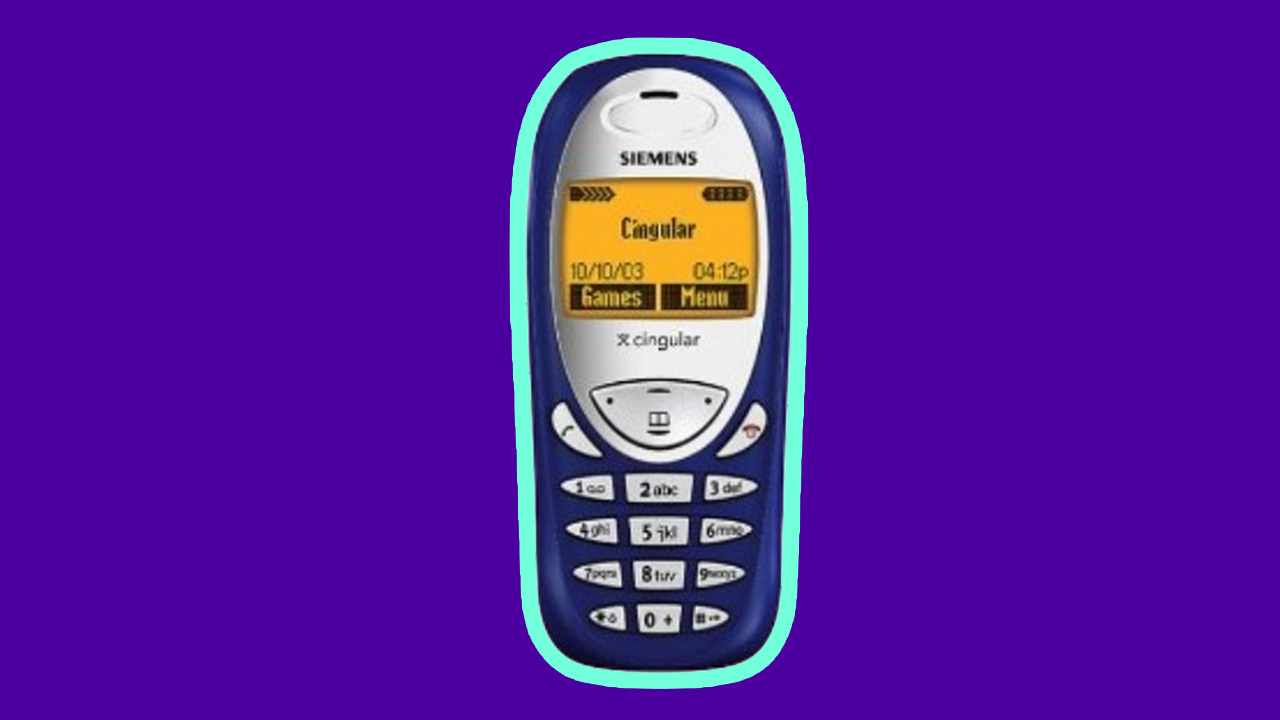
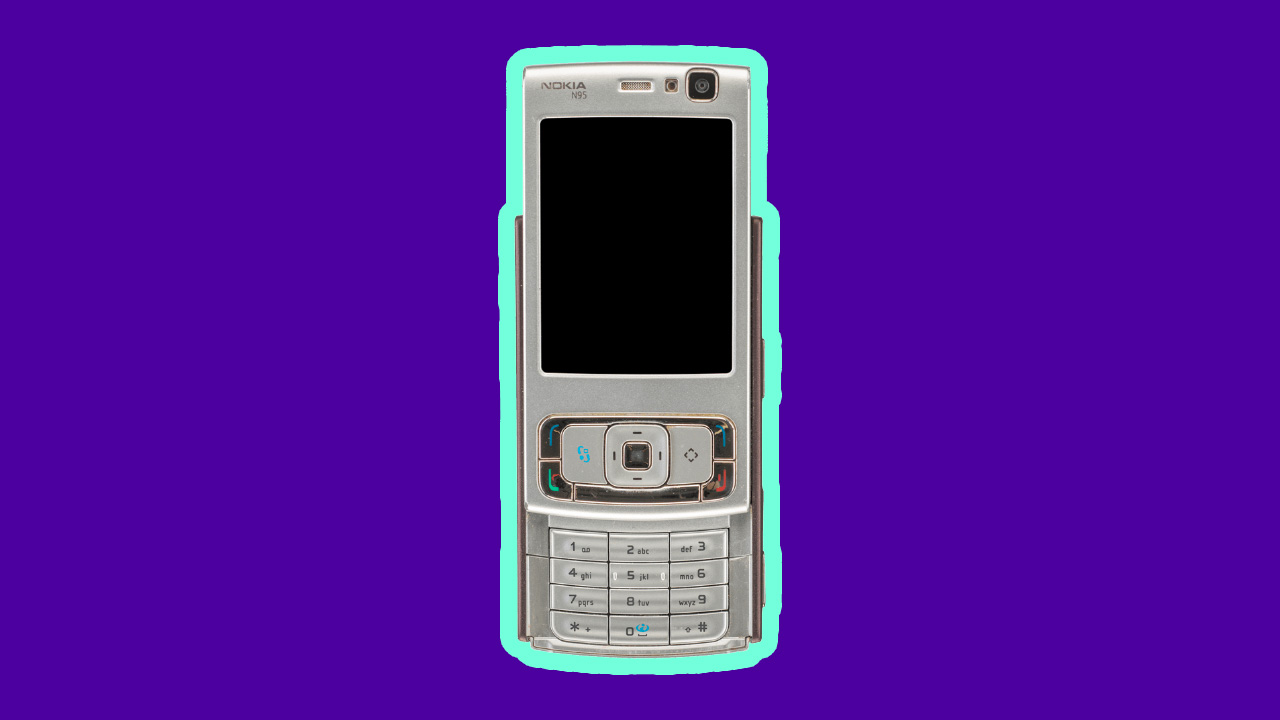
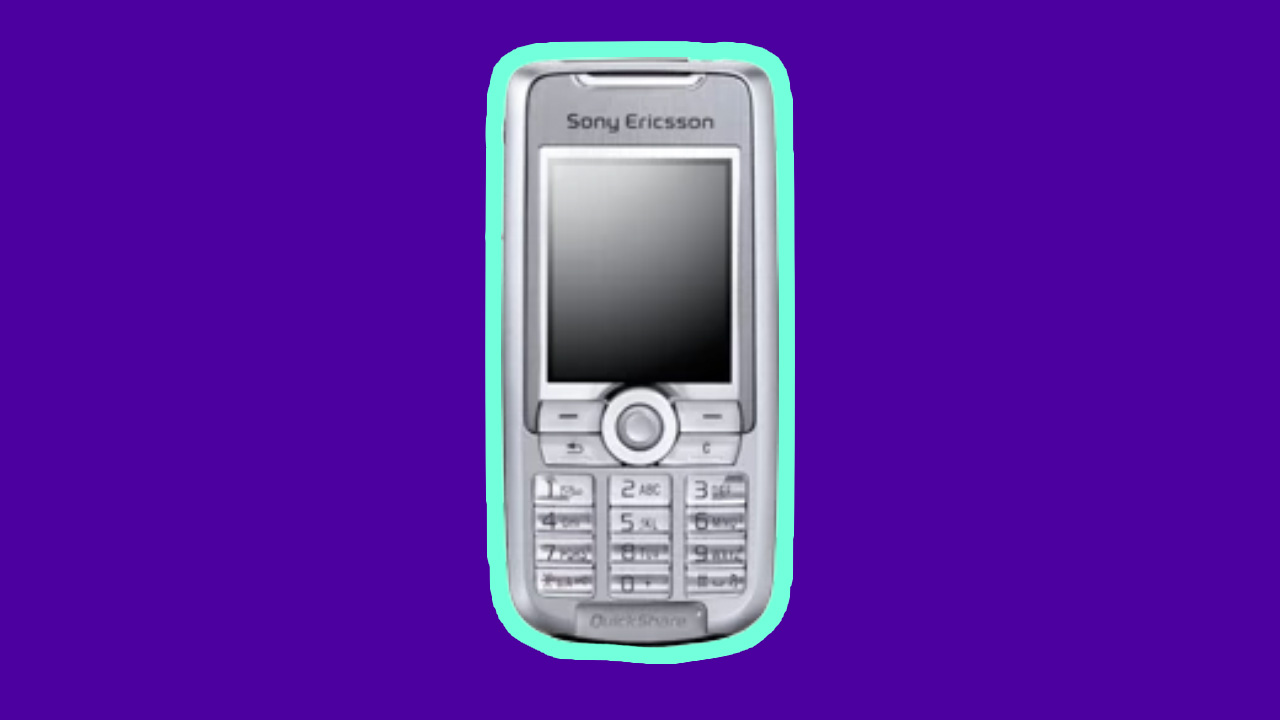
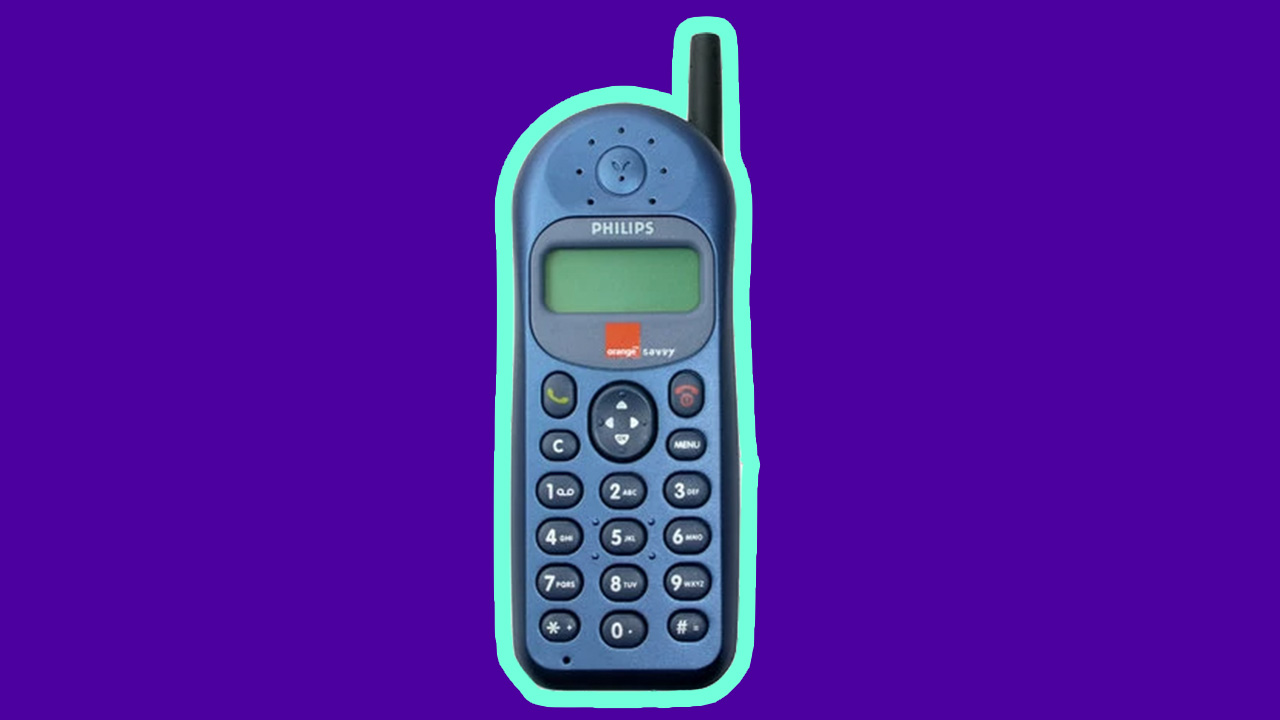
Nokia, Sony Ericsson, and Siemens Mobile crumbled, and Europes smartphone dominance vanished.
In their place Apple and Samsung rose, companies that now dominate Europes smartphone market.The stats are telling.
Currently, Apple has a 34.29% market share on the continent, while Samsung sits at 31.21%.
Effectively, Europes smartphone market is dominated by two continents: North America and Asia.
All this got me thinking.

Why doesnt Europe have a dominant smartphone?
What would it take for this to happen again?
And, vitally, does any of this actually matter?
It’s free, every week, in your inbox.
I began my journey by speaking with Jan Stryjak, an Associate Director atCounterpoint Research.
Simply put, theres no room in the market.
From a brand point of view, Stryjak told me, European phones have slipped too far behind.
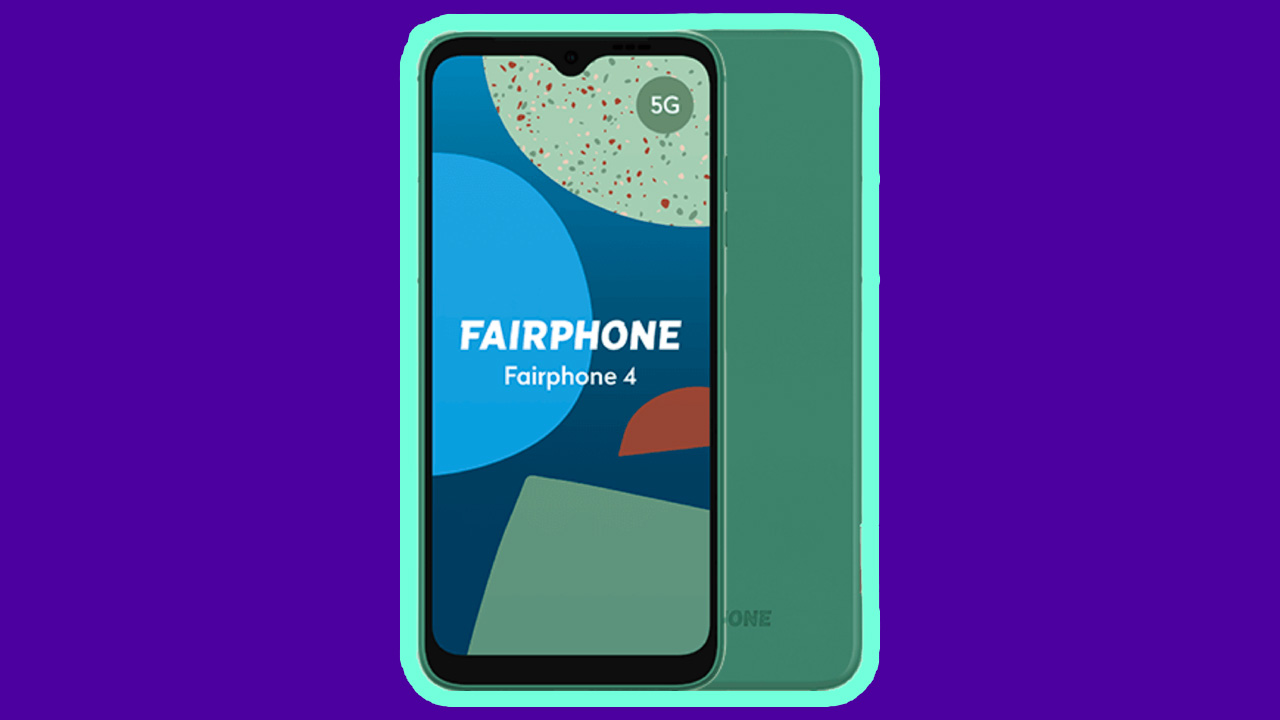
This Dutch company creates devices that are as sustainable and climate neutral as possible.
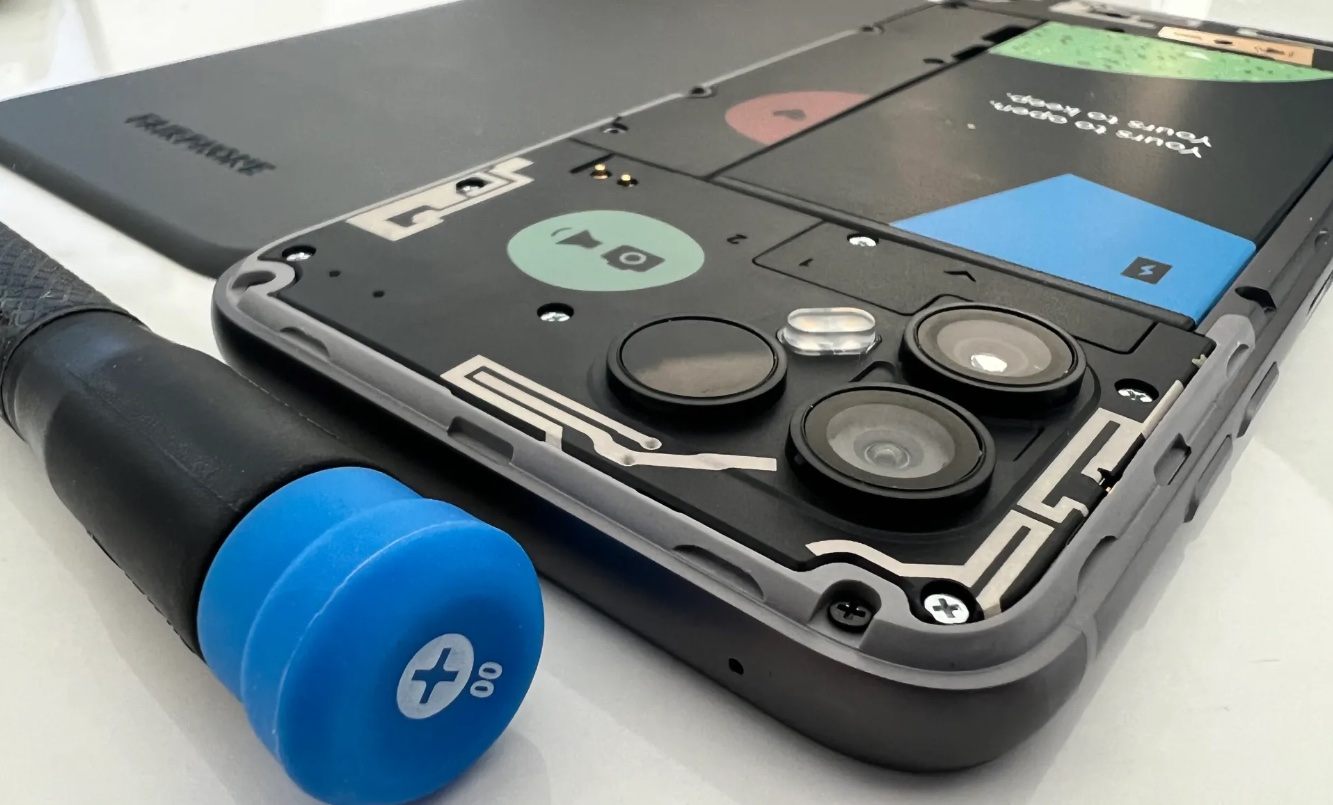
Its latest gear the Fairphone 4 ticks all of these boxes, created with recycled and ethically sourced materials.
And it also includes a 5-year warranty, a rarity in todays world of churning smartphones.
Of course though, this cant be all there is to creating a successful brand.
While Fairphone is doing admirable work, it still is a small player globally.
So far, the company has sold 450,000 phones since its formation in 2013.
Apple, on the other hand, sold 217 million in 2018 alone.
People are geared towards value, getting more bang for their buck, if you will.
Effectively they want to pay 600 and have the best specs and the best-looking machine possible.
This puts much of the rest of the globe at a disadvantage, Huang told me.
The cost to European businesses would be too high to compete on a spec-level with these companies.

This is a series of factors nigh-on impossible to replicate in this day and age.
European brands wont ever be able to compete at the same level, as these businesses, Huang said.
But that doesnt mean he thinks its a lost cause.
Counterpoints Stryjak described them as providing a very good, but very niche product.
Maybe all we need is…
Nothing
Another European company with the chance to put the continent back on the map is Nothing.
The problem, Stryjak believes, is Nothing remains a niche equipment.
Ive used the Phone (1) and found it to be a unit with lots of potential.
But there are other teething problems.
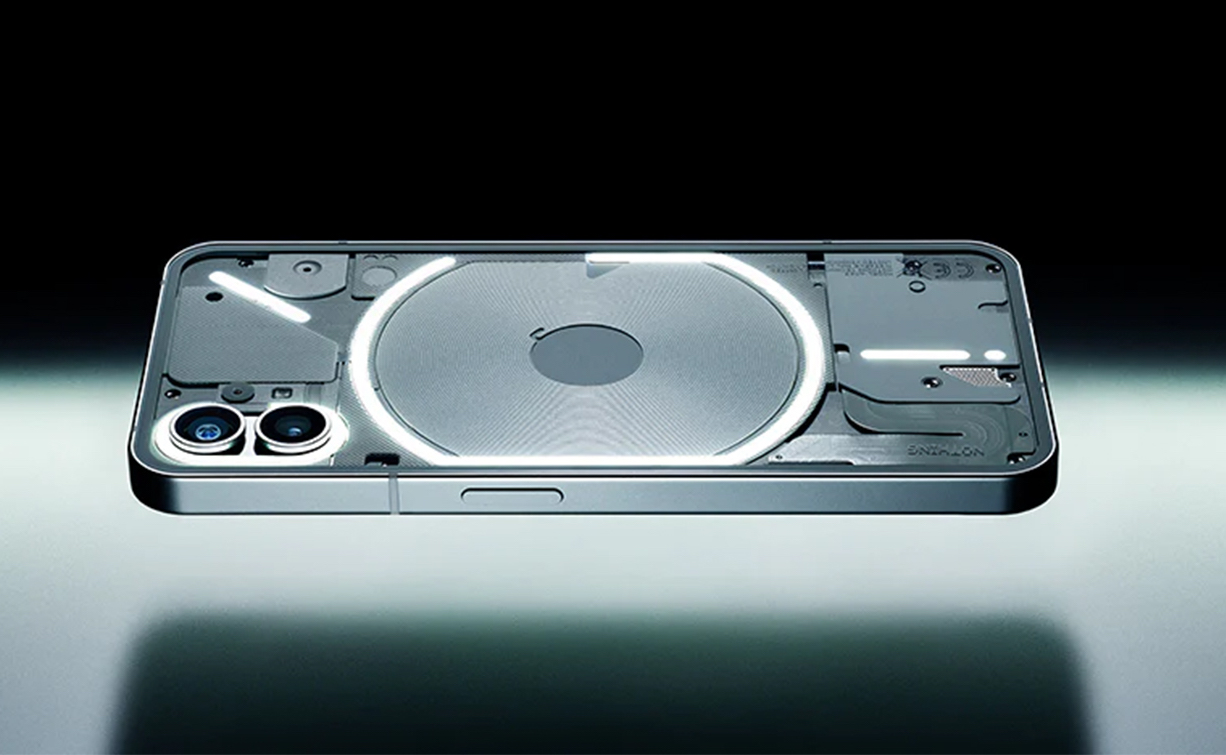
There werereportsof moisture getting into the Phone (1) camera module.
A dominant European smartphone?
What would it take for Europe to have a dominant smartphone again?
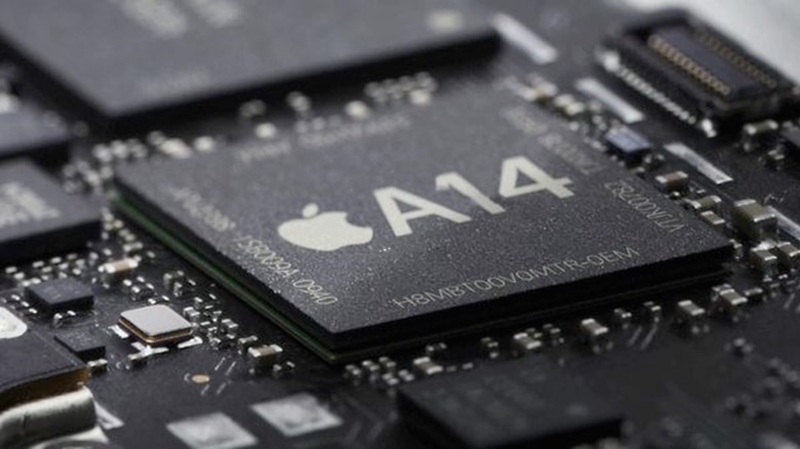
A miracle, Stryjak told me.
According to Stryjak, not really.
It doesnt matter from a brand perspective, he told me.

But there is an element of this debate thatdoesmatter.
Simply put, the majority of components are made in China and this is an issue for many countries.
The EU has acted, trying to boost its domestic manufacturing capacity for chips.
One way its done this is withthe European Chips Act, which aims to build a local semiconductor industry.
Its also rumored that the EU will offer a similar deal to TSMC to open a similar fabrication plant.
And this, I dont need to tell you, is unlikely to ever happen.
Countries dont matter
Here, we find ourselves at an interesting passe.
And thats to say nothing of the raw materials themselves.
Really, smartphones are global.
And theres nothing wrong with that at all.
