A 16-month,2 million study has concluded that space-baseddatacentres are technically, economically, and environmentally feasible.
Thales Alenia Space and Leonardo coordinated the ASCEND study, which was funded by the EU.
The research also tapped expertise from the likes of Airbus, ArianeGroup, and the German Space Agency.
It’s free, every week, in your inbox.
The overall goal is to achieve 1GW of storage by 2050, project managerDamien Dumestiertold CNBC.
Digitisation, and more specifically the rise of AI, is skyrocketing demand for data storage.

The electricity demand for data centres is nowoutpacingelectricity supply in some parts of the world.
Many of these facilities are still powered by fossil fuels.
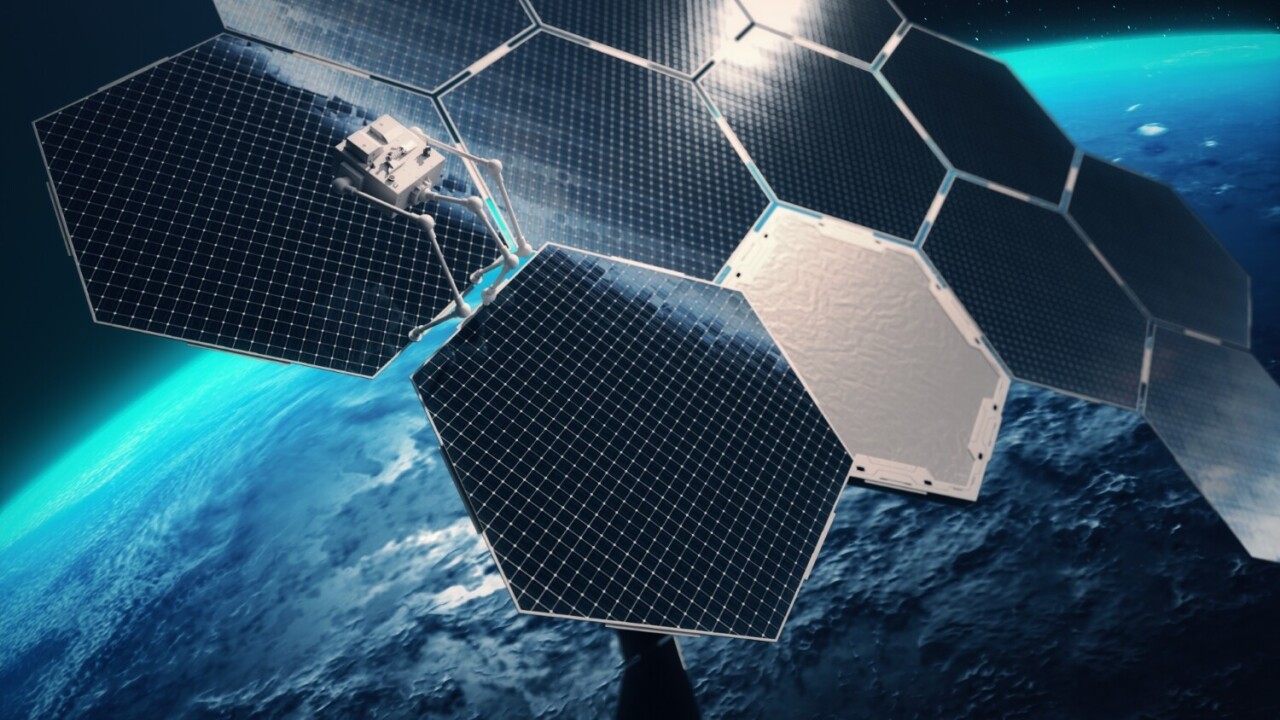
Unlike their land-cased counterparts,data centres in space could be powered by 24/7 solar energy.

They also wouldnt require water for cooling because space is really, really cold.
ArianeGroup is working on a eco-launcher that could take care of the launch emissions.
However, scientists are still along way offfrom producing a sustainable, cost-effective alternative to rocket fuel.
Story bySion Geschwindt
Sion is a freelance science and technology reporter, specialising in climate and energy.
