But an equally pressing challenge is often excluded from the conversation:equal access to public transport.
Its a challenging problem for transport providers.
They have to contend with servicing the busiest routes.
This is often at the expense of more disparate locations and times.
In recent years, weve seen a growth in public-private solutions.
This is particularly in the US and UK.
But does this solve the problem of inadequate transport?
Or does it create a more problematic trend?
I decided to take a look.
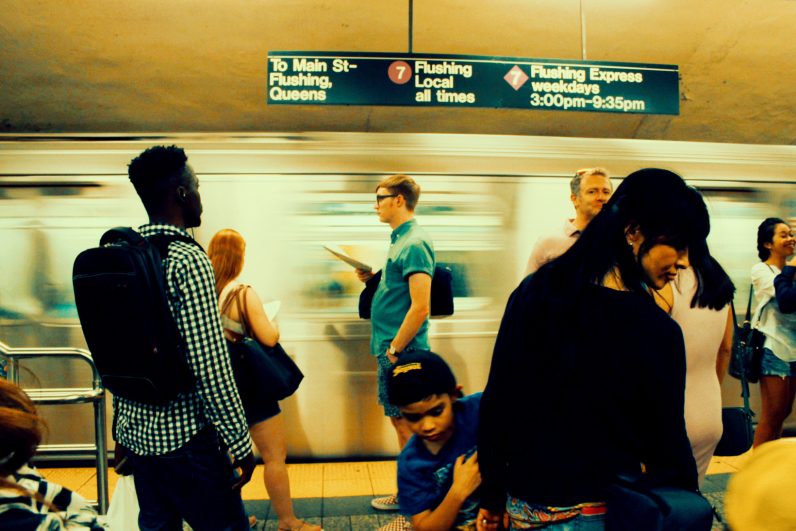
Third-shift workers are a constant challenge for transport providers
40% off TNW Conference!
While trains in major cities may be running, the connecting bus services may not.
One solution in practice is using private providers to offer first-mile,last-milesolutions.
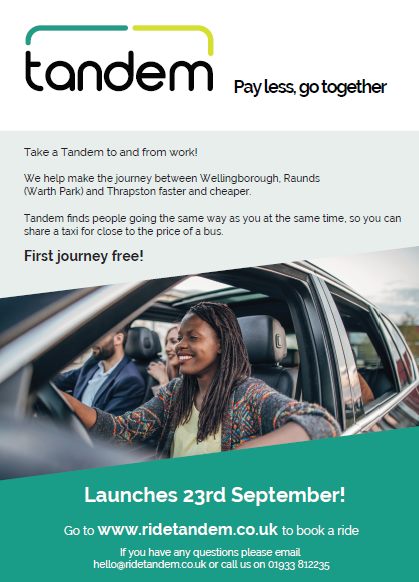
Pinellas County provides an additional program calledDirect Connectin partnership with Uber and United Taxi.
These are great programs in theory.
Walking to and from late-night transport can be unsafe.
This is especially in areas with inadequate street lighting and sidewalks.
Do public-private partnerships create an excuse for government inactivity?
Im concerned that these programs give cities a free pass in building safer spaces and outlier transport.
Especially when the biggest beneficiaries are private providers like Uber, that are subsidized by public transport authorities.
But whats the alternative?
Will increasing buses off-peak result in more empty buses?
Does it risk wasting fuel and labor costs for no real benefit?
Or will people take transit more when frequency increases?
More than a quarter of UK bus routes have been cut over the past decade.
This has combined with economic conditions to increase transport poverty.
This is disproportionately in areas already suffering high deprivation.
And results in a knock-on effects for local communities and social isolation.
The problem is a lot bigger than just getting to work or home cheaply after a night out.
Story byCate Lawrence
Cate Lawrence is an Australian tech journo living in Berlin.
