Were getting closer to the vehicleautomationdream.
No, I dont mean Elon Musksself-driving Level 2 nonsense.
Im talking about vehicles that can function without any human intervention.
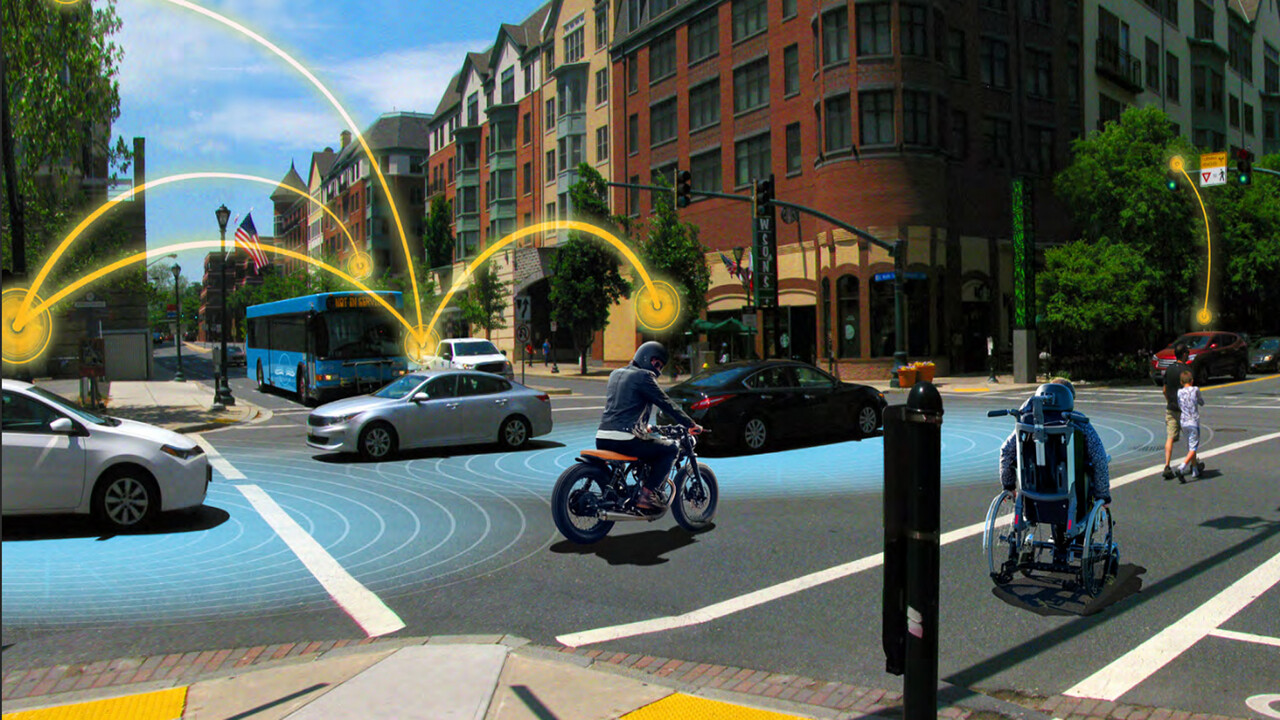
So, the question is: do we need dedicated lanes or corridors for autonomous vehicles?
And how can we get from our current state of affairs to mass adoption?
It’s free, every week, in your inbox.
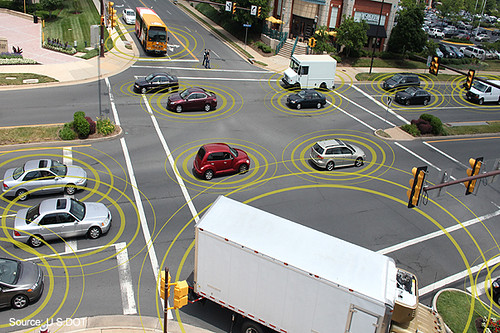
One of the most interesting projects regarding custom roads for self-driving vehicles is taking place in Michigan.
Michigan was an early adopter in autonomous vehicle legislation.
But this is far from a done deal.

Yet, done well, standards could facilitate the tech to alert vehicles to nearby accidents.
It can minimize congestion or prioritize emergency vehicles.
But getting everyone to play nice especially when you add shared mobility into the mix is no mean feat.
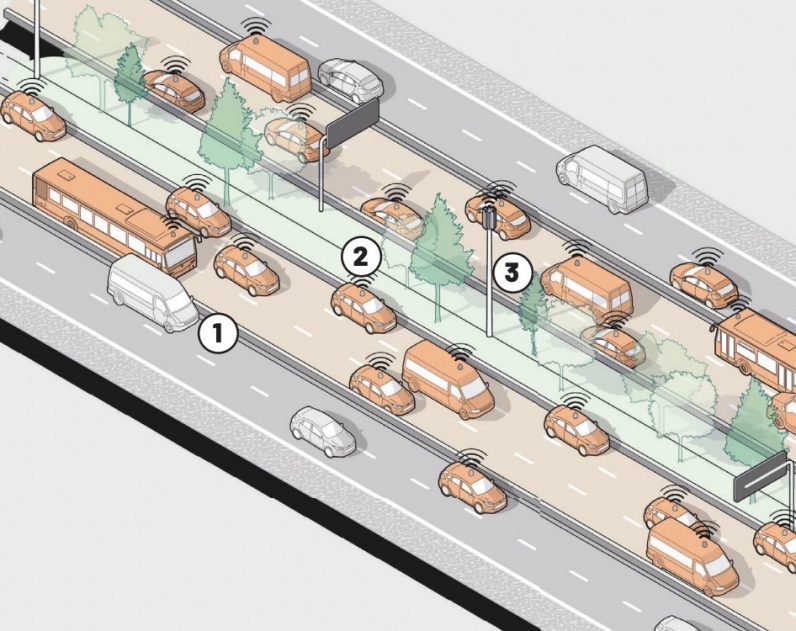
It means that freight trucks can travel at higher speeds,closer together, and without stopping.
This isnt just a pipe dream.
In December,Embark trucksannouncedthe launch of a new autonomous trucking lane between Houston and San Antonio.
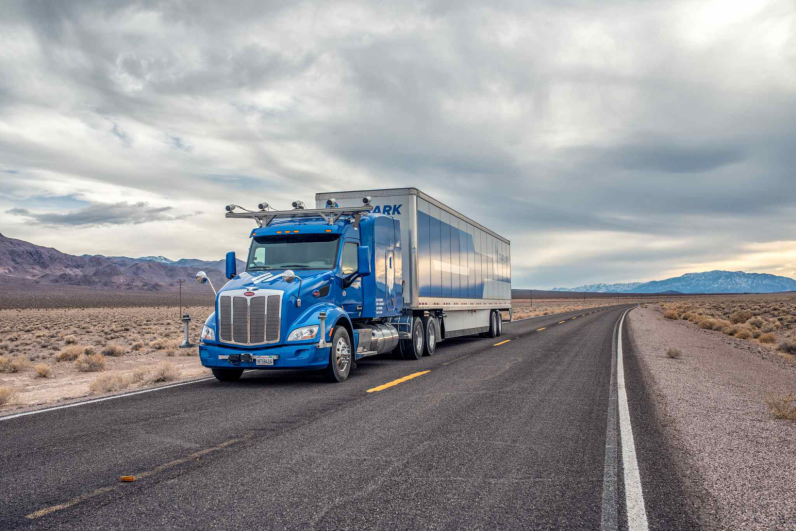
Hauls on such lanes can see rapid improvements in speed using autonomous freight.
That same run would take just 12 hours to complete autonomously.
Will autonomous corridors mean bigger roads?
Then theres the challenge of whatever infrastructure is needed to augment the connected corridor.
Creatingmoreroads while governments are trying to reduce their use is not an easy sell.
There are just a lot of actions and decisions required before we can get anywhere near mass adoption.
But its nice to dream.
Story byCate Lawrence
Cate Lawrence is an Australian tech journo living in Berlin.
