Horizon Worlds, his initial foray in the space, has only added to concerns.
The social platform is regularly derided forslow uptake,persistent bugs, andrisible avatars.
Despite the mounting criticisms, Zuckerberg remains bullish about making Facebook a metaverse company.
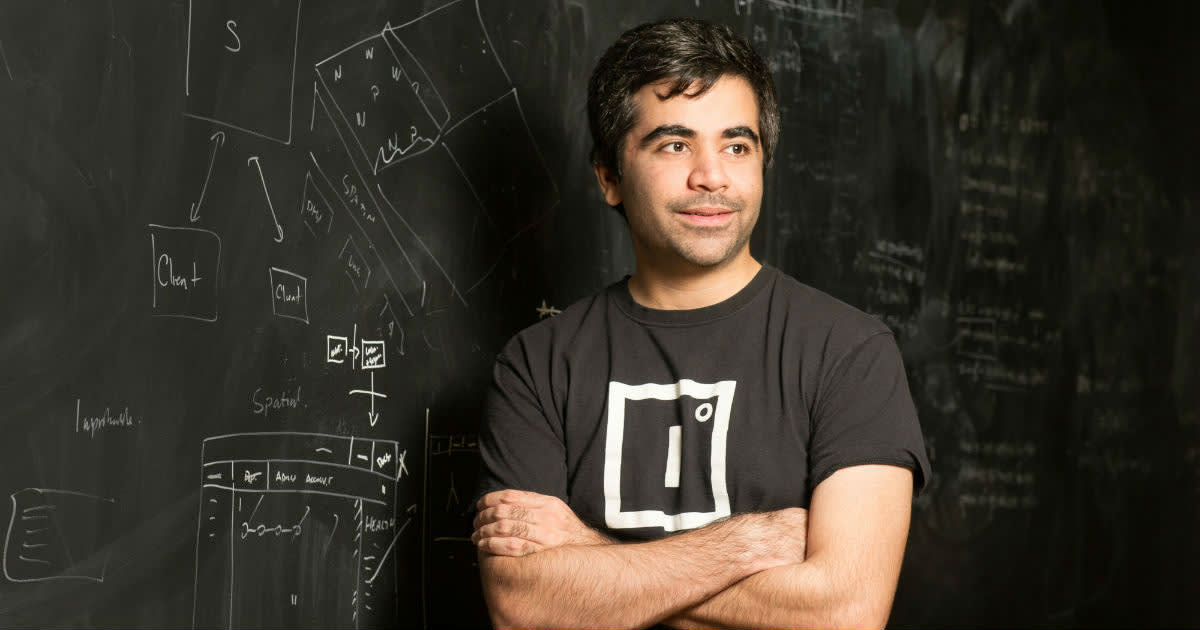
But for Herman Narula, the CEO of UK unicornImprobable, Metas vision overlooks a fundamental issue.
The problem is VR, Narula said last week at Stanford University.
Narula has his own metaverse plans.
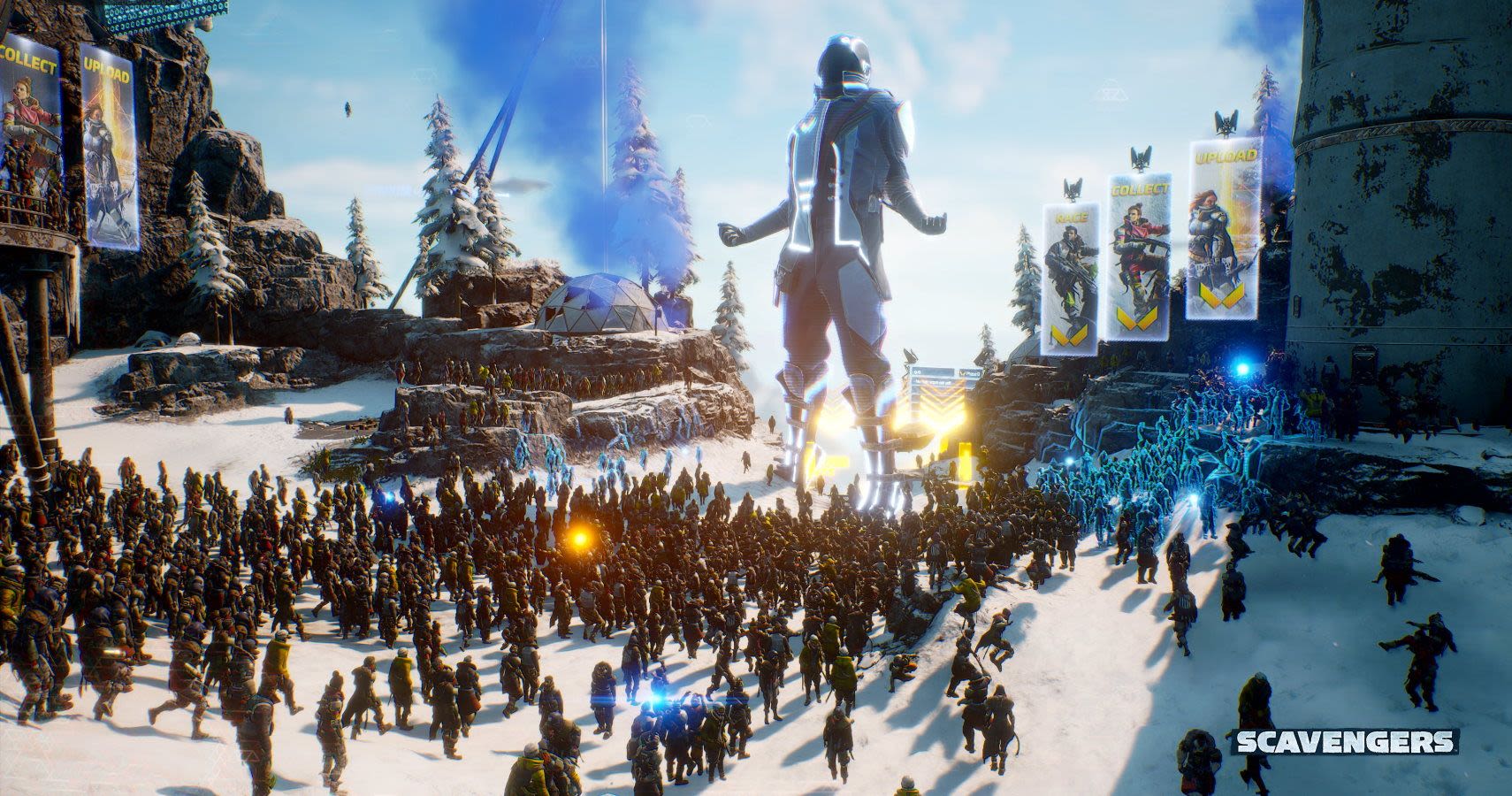
Hes also written a book,Virtual Society, which outlines a theoretical framework for the metaverse.
Instead, they can be entered with just a phone or PC.
It’s free, every week, in your inbox.

Narula admits that VR offers impressive immersion.
But he says the metaverse needs something more important: presence.
He describes immersion as the feeling that the world is real.
Presence, in contrast, is the feeling that the world thinksyouare real.
To create this sensation, user actions must produce reactions and ripples throughout the virtual world.
Narula asserts that presence doesnt need VR.
As evidence, he points to the proto-metaverses Minecraft, Roblox, and Fortnite.
According to Narula, Zuckerbergs VR-based metaverse has several issues.
One of them is cost: the new Quest Pro VR headset retails for a whopping $1,500.
Zuckerberg has acknowledged this barrier.
Meta has also taken tentative steps to integrate mainstream devices.
Yet this risks creating a two-tiered experience.
Revving virtual engines
Naturally, Narula has his own plans for producing presence.
He pitches Improbable as a peerless platform for a crucial component of the metaverse: capacity.
To back up this claim, Narula points to a metric called communications operations (ops) per second.
Its the horsepower of the metaverse.
The number of ops per second reflects how many different things can simultaneously occur in the metaverse.
Improbables cofounder, Rob Whitehead, describes it as the horsepower of a virtual world.
As the players, density, and fidelity are all scaled up, this number can rise dramatically.
Improbable, meanwhile, claims it can now process 2 billion ops per second.
Interconnecting worlds
The dominance of VR isnt Narulas only issue with Meta.
Like many critics, hes concerned about the company or, indeed, any single company controlling the metaverse.
To avoid this ghastly future, Narula wants to integrate another contentious technology:blockchain.
Backers of a blockchain-based metaverse point to two key benefits: decentralization and interoperability.
The former derives from storing data on a distributed ledger, which isnt controlled by any one company.
Interoperability, meanwhile, is achieved by cryptographically securing data exchanges.
Your avatars clothes, for example, could be safely ported between different virtual worlds.
Thats what makes it more than a game.
Blockchain isnt the only means to provide this portability.
Alternatively, companies could agree on rules and systems for facilitating digital transfers across various platforms.
Web3 advocates, however, warn this would tighten Big Techs stranglehold on our data.
Yet this is only one argument that they have to win.
Nonetheless, Narula appears confident that the benefits will outweigh the negatives.
The 34-year-old envisions blockchain enabling transfers between worlds.
Companies would build metaverse businesses by sharing customers, while users would enjoy meaningful experiences across platforms.
According to Narula, VR and AR are merely tangential to all these interactions.
They can totally play into building more engaging experiences, but theyre not the disruption, he said.
Thats whats creating a different relationship between us and these experiences.
Thats what makes it more than a game.
Story byThomas Macaulay
Thomas is the managing editor of TNW.
He leads our coverage of European tech and oversees our talented team of writers.
Away from work, he e(show all)Thomas is the managing editor of TNW.
He leads our coverage of European tech and oversees our talented team of writers.
Away from work, he enjoys playing chess (badly) and the guitar (even worse).
