The digital euro is edging closer to reality, despite concerns over the projects privacy risks and functionality.
The European Commission on Wednesday proposed a legal framework for the electronic currency.
According to Dombrovskis, the project will modernise payments, enhance financial inclusion, and support innovation.
He also emphasised the need to protect the eurozone from rival digital payment systems.
40% off TNW Conference!
Unlikecryptocurrencies, the digital euro would be backed by a central bank.
That could reduce volatility, but its triggered anxieties about government control.
These concerns are prevalent across the bloc.
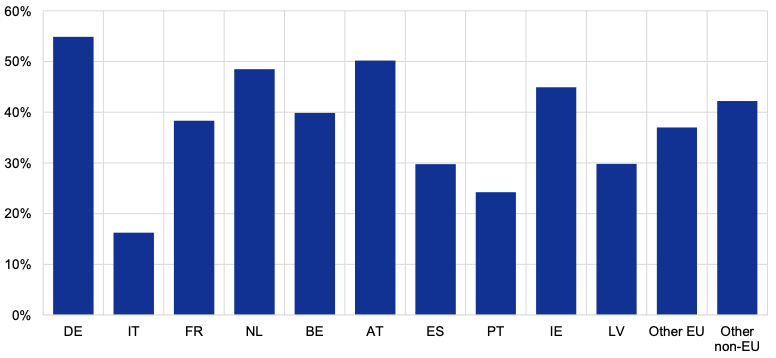
In aconsultation last year, 43% of respondentssaid privacywas what they wanted most from the digital euro.
They argue thatexisting digital payments already provide sufficient functionality.
In response, the EU has added various safeguards and features.
But I am aware that it requires peoples trust and confidence.
That process remains a long way from completion.
Story byThomas Macaulay
Thomas is the managing editor of TNW.
He leads our coverage of European tech and oversees our talented team of writers.
Away from work, he e(show all)Thomas is the managing editor of TNW.
He leads our coverage of European tech and oversees our talented team of writers.
Away from work, he enjoys playing chess (badly) and the guitar (even worse).
