Digitaltwinsvirtual replicas of real-world things are already commonplace in manufacturing, industry, and aerospace.
There are highly complex digital models of cities, ports, and power stations but what about people?
The idea of digitaldoppelgangershas long been confined to the realm of science fiction.
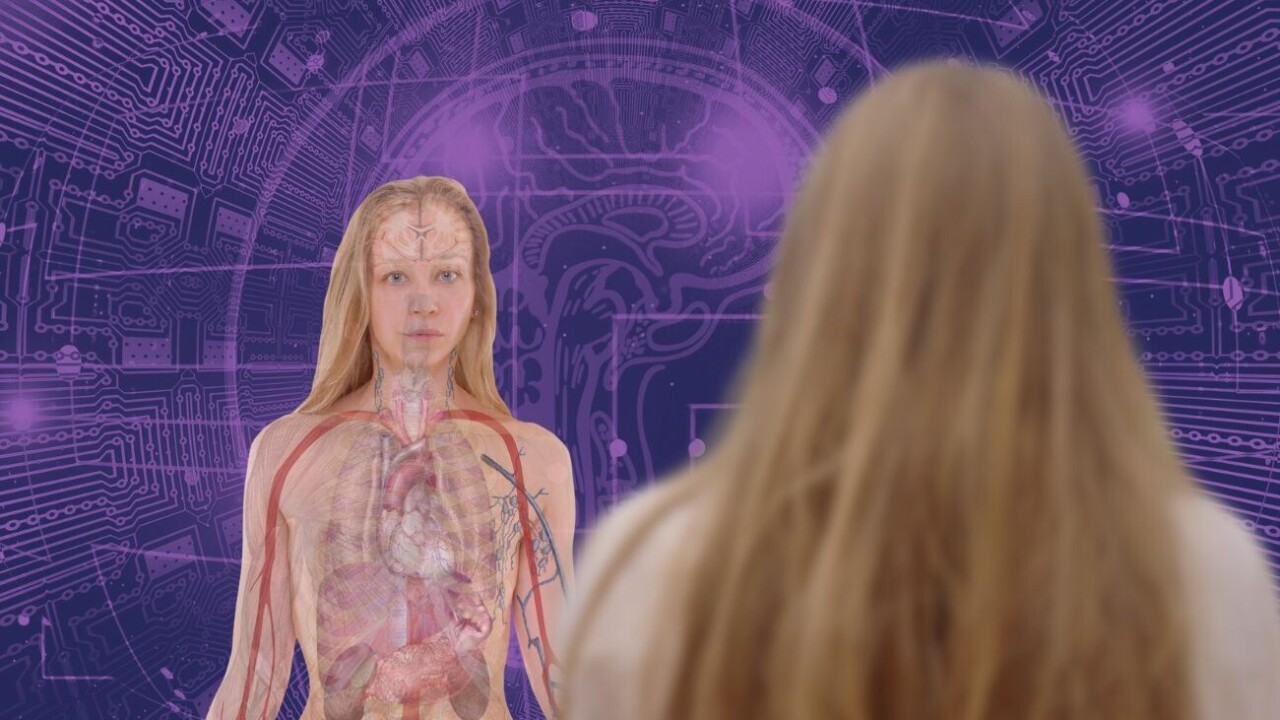
But anew book presented at Londons Science Museum last week suggests the concept could be coming to life.
40% off TNW Conference!
The most notable example isAlya Red, a digital twin of a heart comprising around 100 million virtual cells.
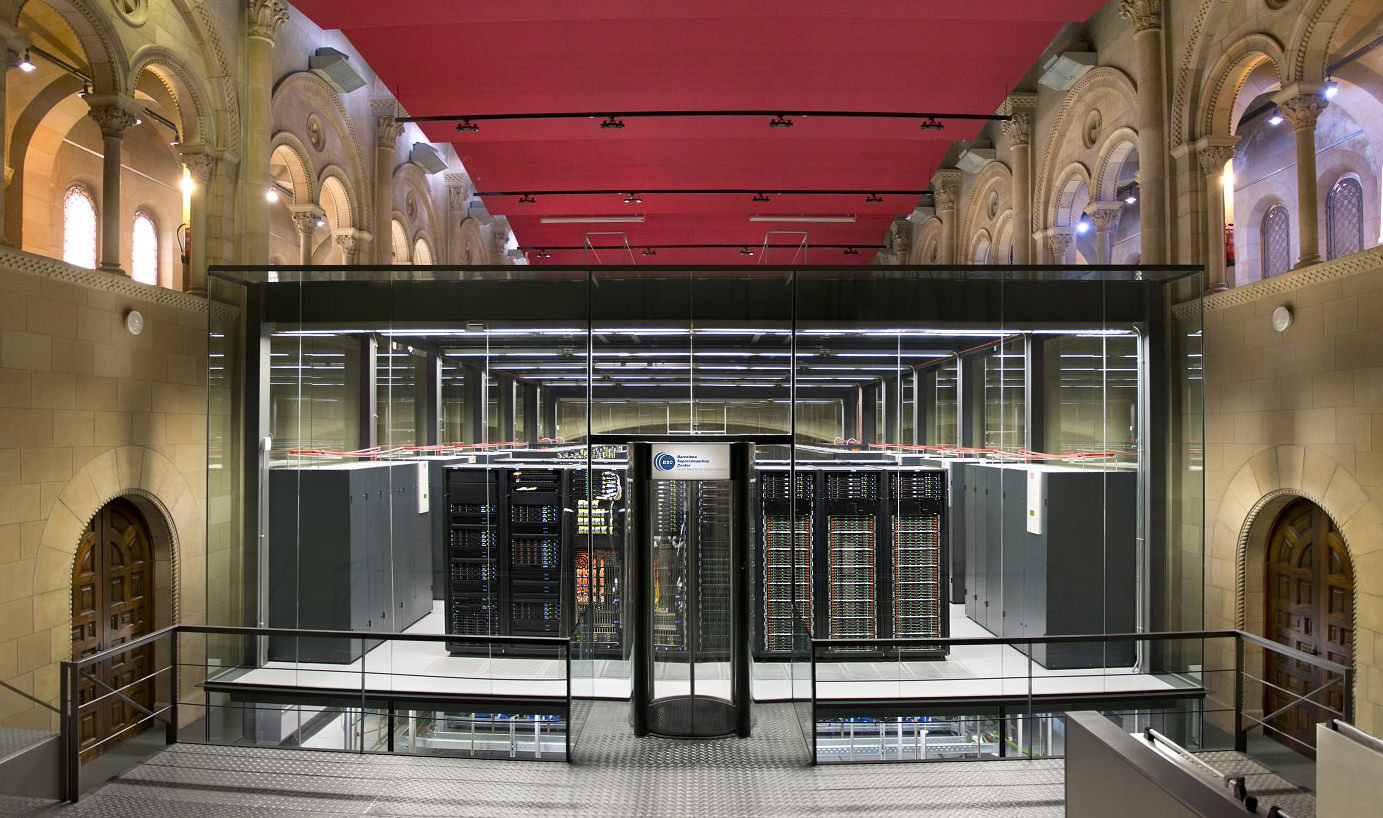
The heart beats not within a person but insideMareNostrum, one of the most powerful supercomputers in Europe.
Researchers are using the model tostudyblood pressure and the movement of clots throughout the vascular system.
In silico
These digital twins are not just confined to the lab.
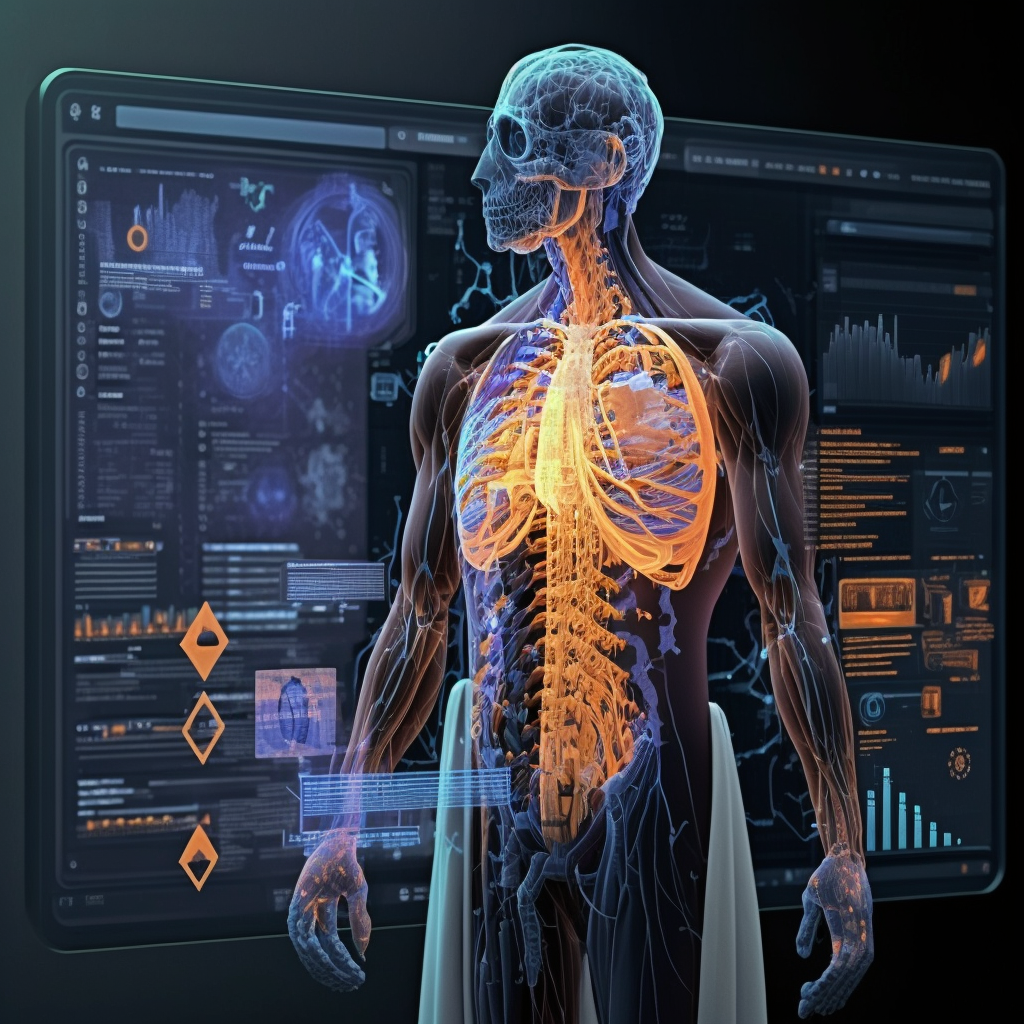
These trials allow companies to test their drug in virtual patients before testing them in humans.
This can result in significant time and costsavingsfor companies undertaking clinical trials.
Comparable research on animals was 75% accurate.

Coveney and Highfield believe that these advances are laying the groundwork for digital twins of the entire human body.
Creating a virtual you requires the collection and analysis of enough personal data to provide a realistic representation.
Virtual patients could potentially save and extend your life.
So, when will I get a virtual me?
Before you get too excited (or petrified) lets do a quick stock take.
Oxford University professor, Denis Noble, developed the first model of a beating heart cell in 1959.
Now, programmes like Alya Red are enabling simulations of almost any part of the human body.
Thats the point where we find ourselves right now.
To date, a digital twin of a whole human has never been created.
There are still massive technical hurdles to overcome, said Conveney.
These computers are still few and far between, and require large amounts ofenergyto run.
There are also ethical considerations.
You, my friend, are too complicated, even for the smartest computer.
AI could enable virtual humans to be run on much smaller machines.
Story bySion Geschwindt
Sion is a freelance science and technology reporter, specialising in climate and energy.
