People tend to rejoice in the disclosure of a secret.
So Im never surprised when I see AI-assisted revelations about famous masters works of art go viral.
40% off TNW Conference!
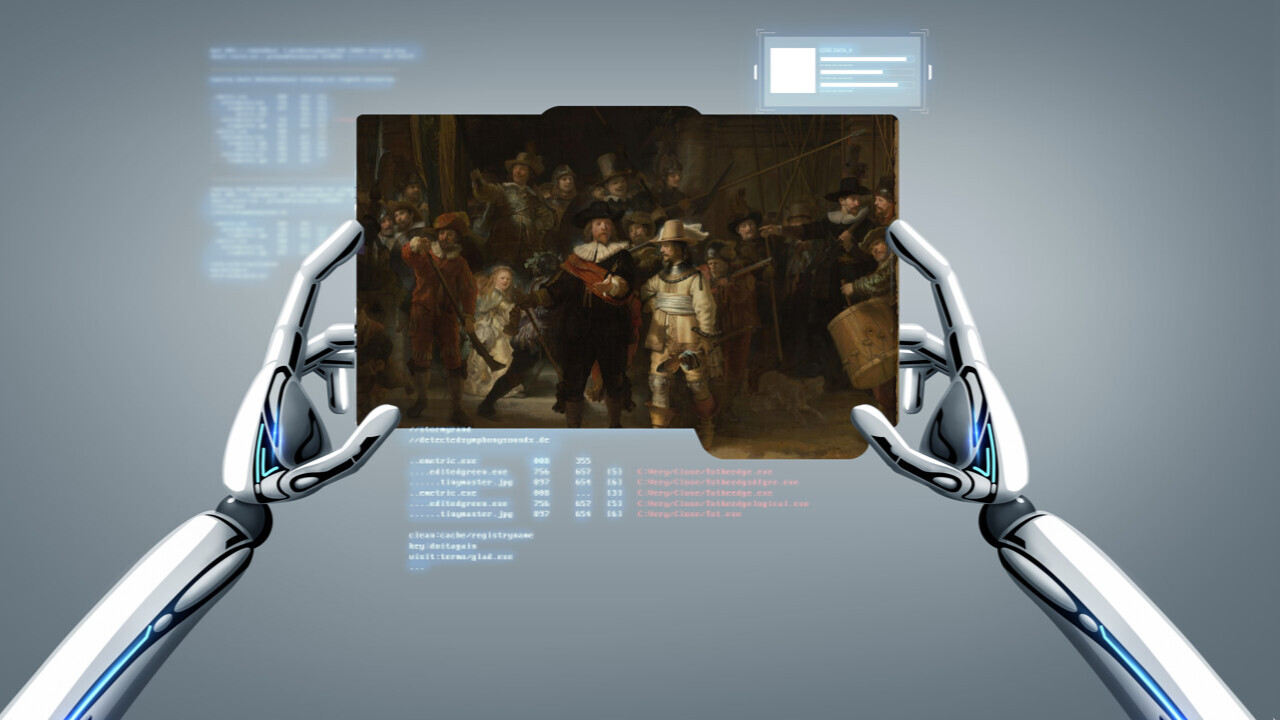
They have not, in actuality, revealed one secret or solved a single mystery.
What they have done is generate feel-good stories about AI.
Are we actually learning anything new?

Take the reports about the Modigliani and Picasso paintings.
The company edited these X-rays andreconstituted them as new works of artby applying a technique called neural style transfer.
These recreations dont teach us anything we didnt know about the artists and their methods.
Artists paint over their works all the time.
Its so common that art historians and conservators have a word for it:pentimento.
None of these earlier compositions was an Easter egg deposited in the painting for later researchers to discover.
The original X-ray images were certainly valuable in that theyoffered insights into artists working methods.
But to me, what these programs are doing isnt exactly newsworthy from the perspective of art history.
For years, university humanities departmentshave been gradually squeezed of funding, with more money funneled into the sciences.
A computer algorithm cannot perform these functions.
Literary critic Barbara Herrnstein Smithhas warned about ceding too much ground to the sciences.
And yet, this is exactly whatAI-assisted colorizationdoes.
That particular example might sound like a small qualm, sure.
But this effort to bring events back to life routinely mistakes representations for reality.
Maybe this gotcha is cheap.
