Our online privacy faces growing threats.
Governments around the world are calling for encryption backdoors that would enable access to personal information.
They argue that encryption protects criminals.
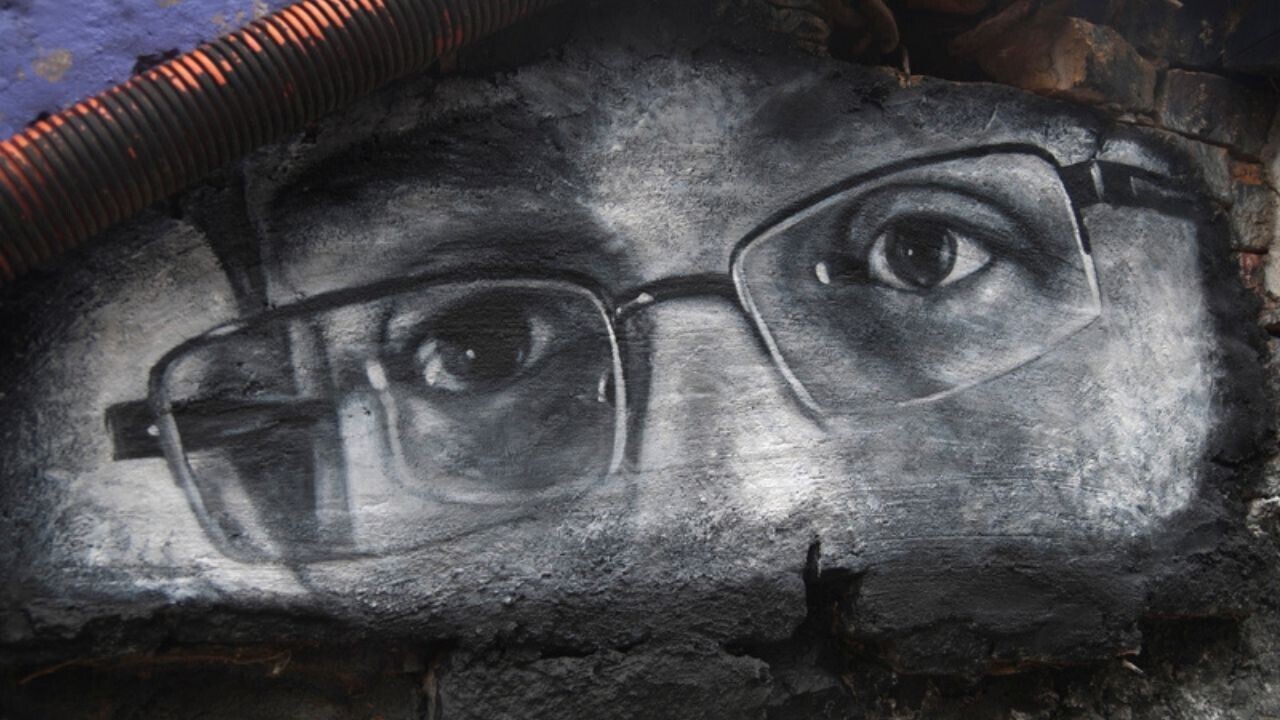
But it also protects activists, dissidents, persecuted groups, and ordinary citizens.
Edward Snowden is among the most prominent beneficiaries.
If you weaken encryption, people will die, said Snowden in a statement.
40% off TNW Conference!
Weakening encryption would be a colossal mistake that could put thousands of lives at risk.
It would not be the first time that lawmakers haveundermined our privacy in the name offighting terrorism.
Politicians assert with justification that criminal gangs and paedophiles use encryption.
Reporters also rely on encryption to protect their sources.
Yet as the need for encryption grows, so do the efforts to weaken it.
Governmentsfrom India to Australiaare calling for tech companies to build backdoors into their end-to-end encrypted systems.
Their proposals, however, could actually make people more vulnerable.
Any encryption backdoormay be a target for criminals.
The information they access could threaten both nationalsecurityand individualprivacy.
Encryption makes us all safer, said Snowden.
From families protecting photographs of their kids, to personal healthcare information, encryption keeps our private information private.
We all have private conversations that we dont want overhead.
Encryption backdoors would give malicious actors another way to access them.
Story byThomas Macaulay
Thomas is the managing editor of TNW.
He leads our coverage of European tech and oversees our talented team of writers.
Away from work, he e(show all)Thomas is the managing editor of TNW.
He leads our coverage of European tech and oversees our talented team of writers.
Away from work, he enjoys playing chess (badly) and the guitar (even worse).
