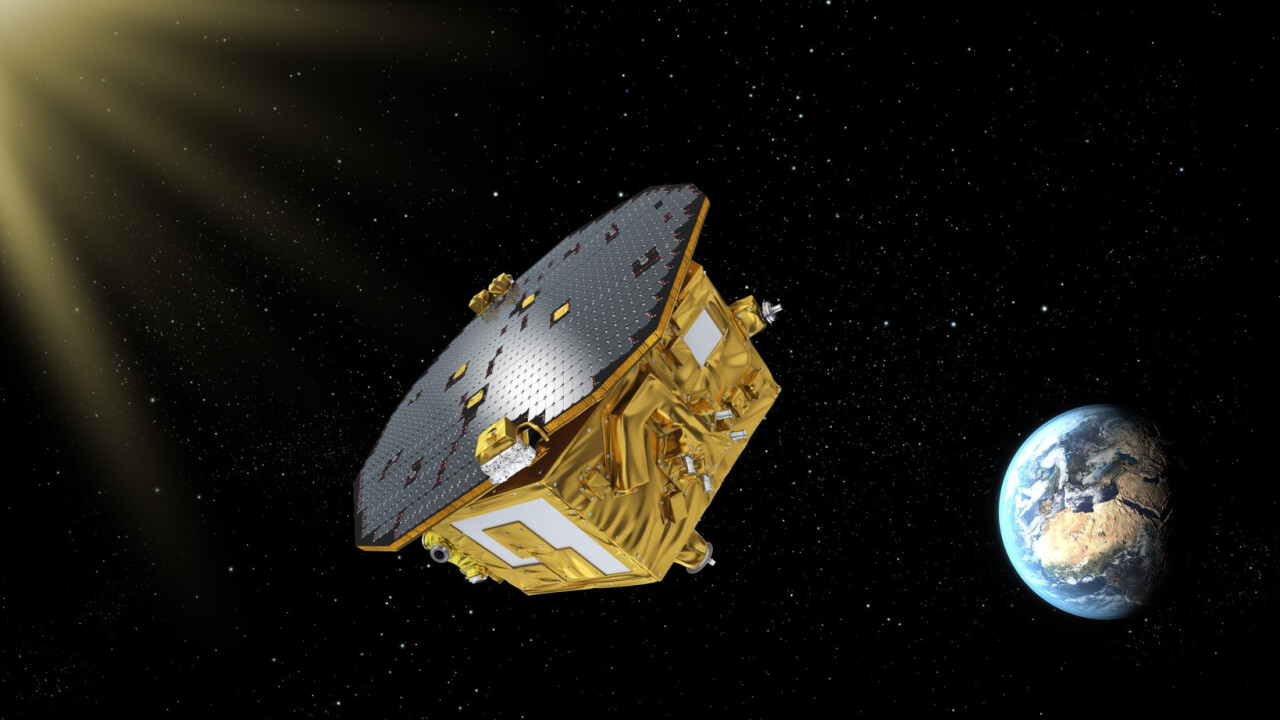
The launch of LISA is planned for 2035, on anAriane 6 rocket.
The project is expected to be the most expensive and complex the agency has ever undertaken.
It could even offer a direct glimpse into the very first seconds after the Big Bang.
It’s free, every week, in your inbox.
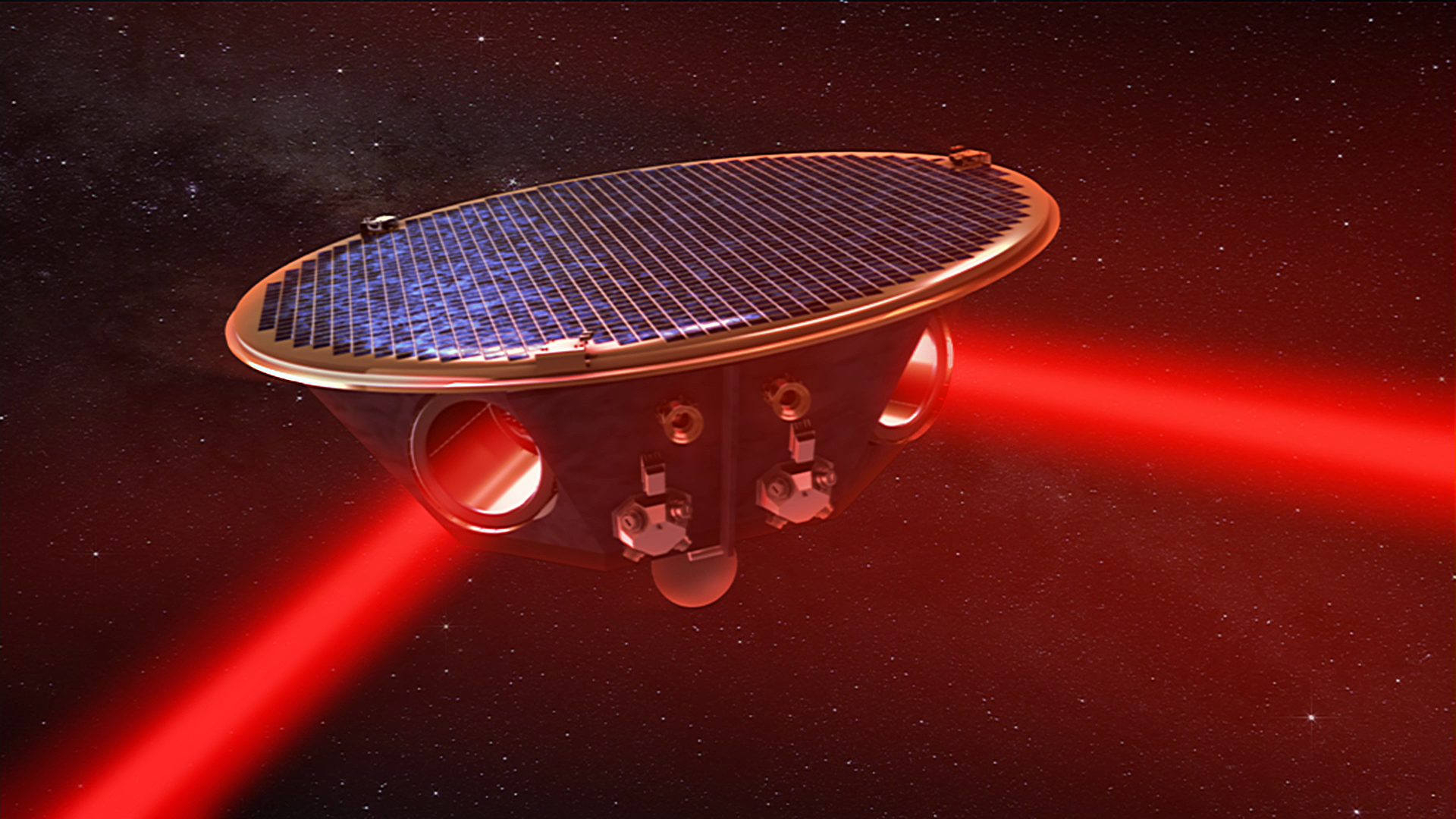
LISA wont be just one spacecraft but a constellation of three that will travel in a triangular formation.
Each spacecraft will be2.5 million kilometres apart more than six times the distance between the Earth and the Moon.

The three spacecraft will beam lasers between each other.
Movements in this laser triangle will allow scientists to detect and study gravitational waves.
Gravitational waves are ripples in space-time that alter the distances between objects.
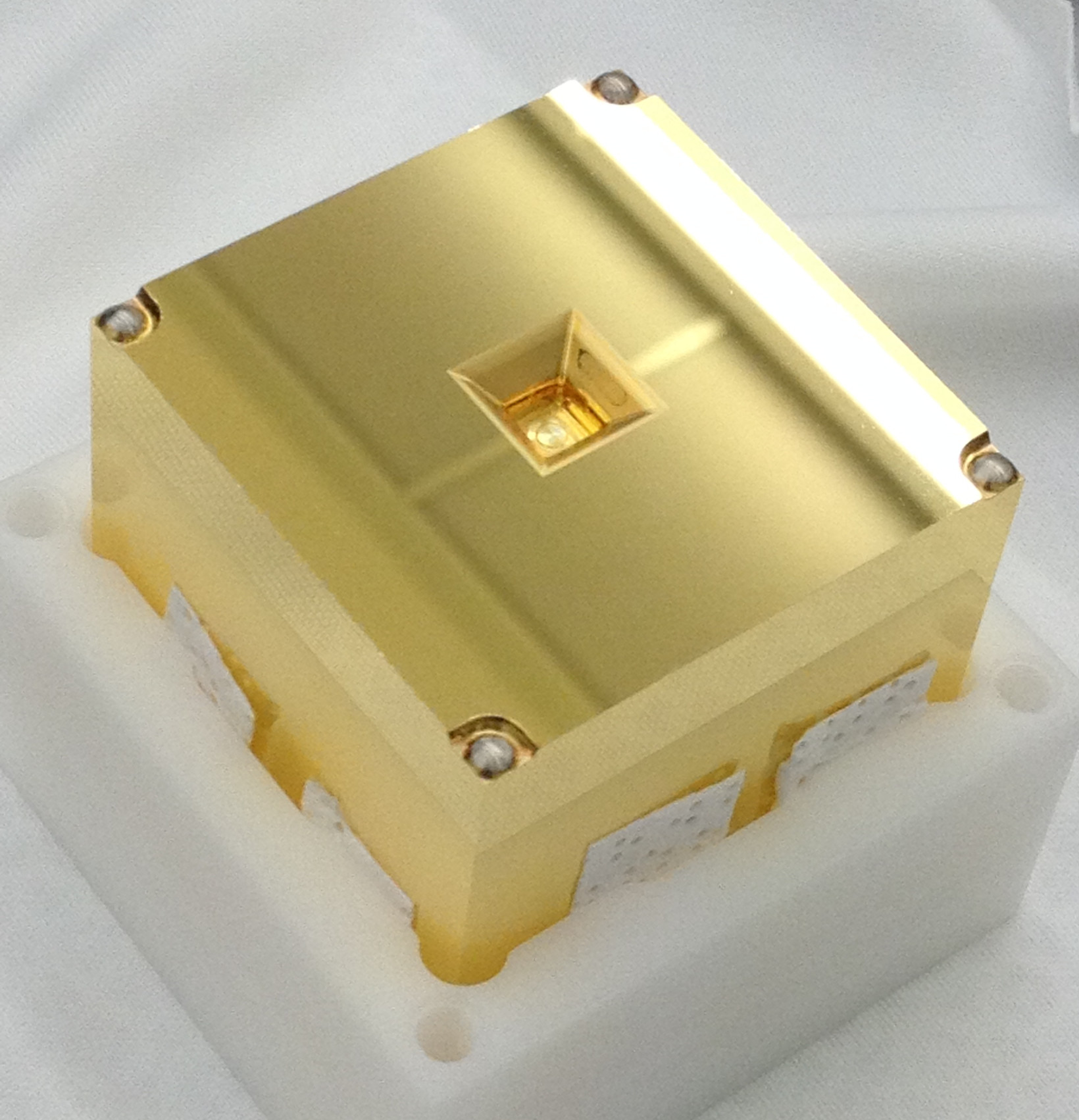
LISA is an endeavour that has never been tried before.
Gravitational waves were first detected in 2015 by scientists at the LIGO observatory in the US.
Being positioned in outer space, LISA is expected to radically deepen these initial findings.
For centuries we have been studying our cosmos through capturing light, said LISA project scientist Oliver Jennrich.
Story bySion Geschwindt
Sion is a freelance science and technology reporter, specialising in climate and energy.
Also tagged with

