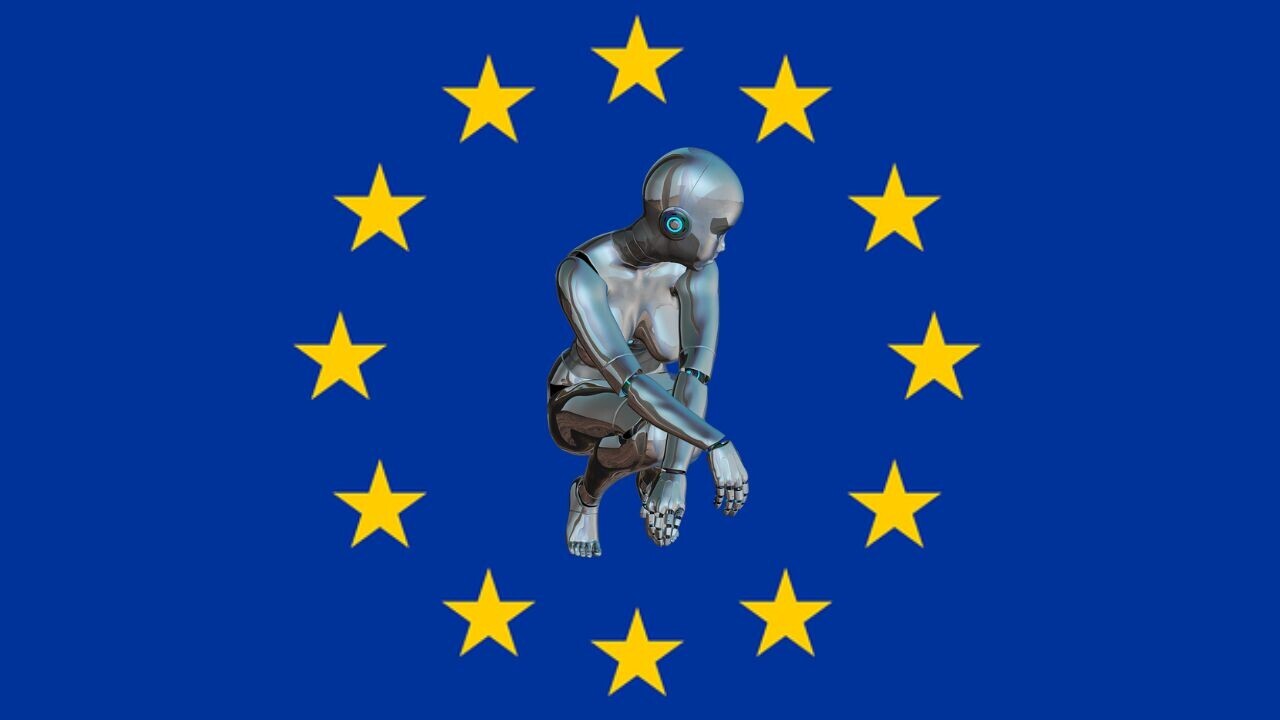
The European Unions AI Act entered into force yesterday.
It is the worlds first comprehensive regulation for artificial intelligence.
First agreed upon inDecember 2023, the law is applying a risk-based approach.
Thestrictest measuresonly apply to high-risk systems, including tools related to employment and law enforcement.
The regulation entirely prohibits AI systems deemed unacceptable, such a social scoring or police profiling.
For minimal-risk AI, such as spam filters, there are no additional requirements.

For limited-risk systems like chatbots, companies need to inform users that theyre interacting with AI.
40% off TNW Conference!
All companies that provide services or products in the bloc fall under the laws scope.
Failure to comply can trigger fines of up to 7% of a companys annual global turnover.
Eyes on the EU
Since its inception, the AI Act has sparked controversy.
A number of European businesses haveraised objections, fearing that the rules could harm competition and impede innovation.
For others, it represents a major step toward responsible AI.
No matter the view, the time is now for companies to plan their compliance path.
We are witnessing the dawn of a new era of AI governance, Koskinen said.
Story byIoanna Lykiardopoulou
Ioanna is a writer at TNW.
With a background in the humanities, she has a soft spot for social impact-enabling technologies.
