Our world runs on semiconductors.
The silicon slivers arethebrains of our phones, computers, cars, data centres, and stock markets.
Theyre also the digital backbone of modern militaries.

Some of the first chips ever made were used in missile guidance systems.
Today, they power countless military devices, from fighter jets and howitzers to radios and radar.
The rise of artificial intelligence adds another dimension to the hostilities: theres now a dearth ofAIchips.
In the EU, the shortages and frictions led the bloc to introduce the 43bnChips Act.
The investment package aims to boost local production and reduce international dependencies.
Experts, however, have downplayed any prospects of sovereignty.
It’s free, every week, in your inbox.
The problem, he argues, is that the supply chain is simply too globalised and interconnected.
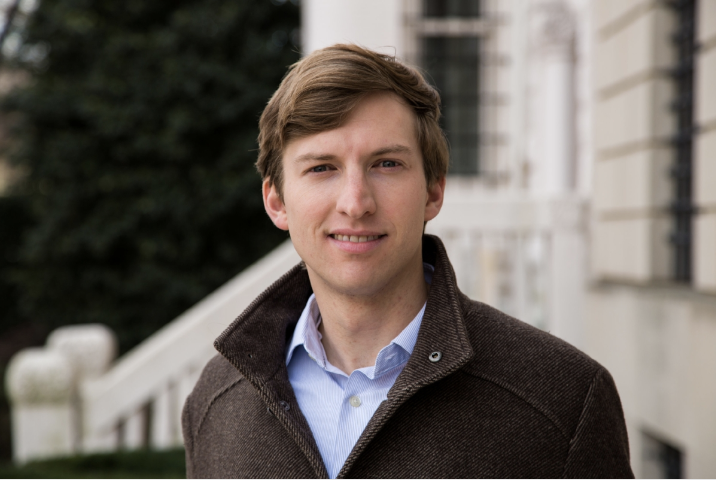
Independence is hopeless, Miller, an economic historian, told TNW at theIFA Berlintech show.
Its not going to happen nor do I think Europe is pushing for it.
As the fractures widen, Beijing is trying tonurture a domestic semiconductor ecosystem.
To constrain Chinas ambitions, Washington has imposed sweeping export controls on chip tech.
In 2022, the Biden administration imposed its toughest sanctions yet.
Sanctions have also created problems for Beijing in the EU, which has its own chip powerhouse: ASML.
That outcome could soon become a reality.
Analysts suspect the restrictions specifically target ASML.
The move has sparked fears that China will impose retaliatory restrictions.
Miller, however, expects Beijing to proceed with caution.
He notes that retaliation could backfire.
Nonetheless, the discord has amplified the calls for autonomy.
A precedent for this approach has been set this year in Germany.
After offers of enormous subsidies, bothInteland TaiwansTSMChave pledged to build chip factories in the country.
Ultimately, semiconductorindependence may be impossible but the EU does already have unique strengths.
The goal is to have profitable chip companies with technological leadership positions and Europe has that.
Story byThomas Macaulay
Thomas is the managing editor of TNW.
He leads our coverage of European tech and oversees our talented team of writers.
Away from work, he e(show all)Thomas is the managing editor of TNW.
He leads our coverage of European tech and oversees our talented team of writers.
Away from work, he enjoys playing chess (badly) and the guitar (even worse).
