Demand for industrial robotsis risingin Europe, especially driven by the benefits of automation.
However, there areongoing challengesin ensuring seamless collaboration with humans while maintaining safety.
One eye-catching ambition targets a big problem for adaptive robots: handling unexpected changes.
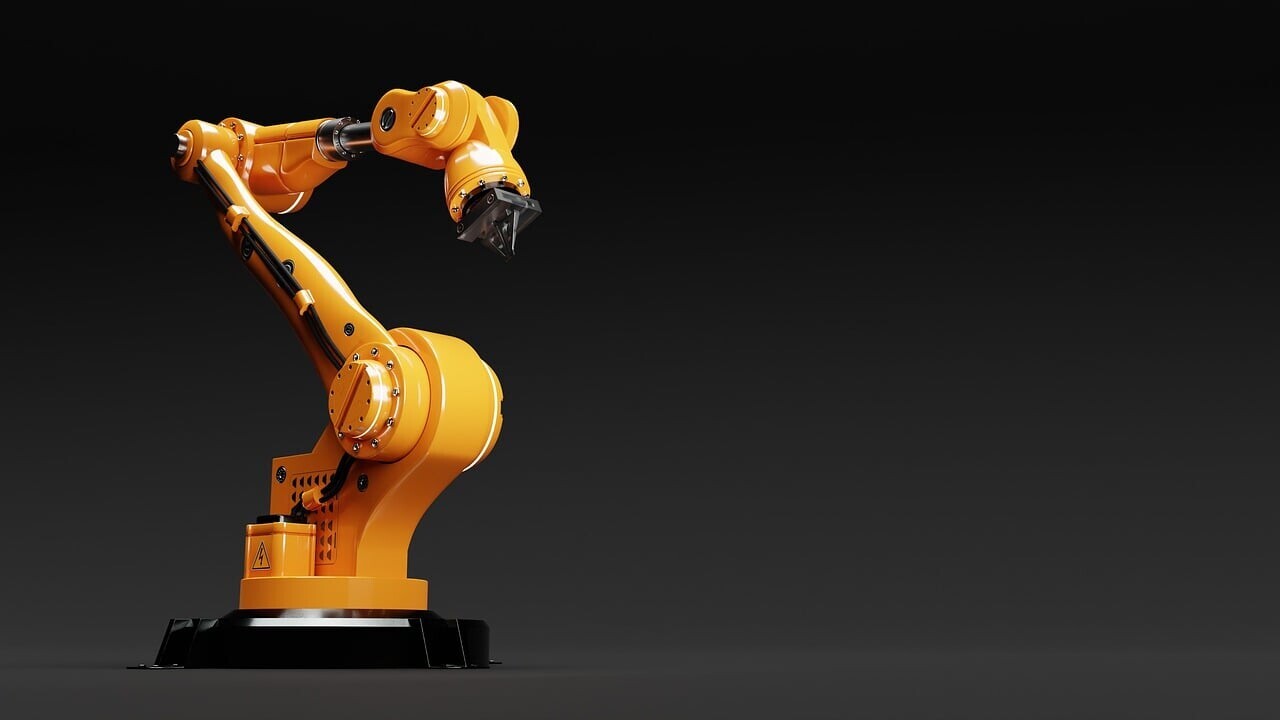
These changes range from software updates and hardware wear to unexpected obstacles and interaction with humans.
When they arise, the researchers want the to robots automatically adjust their controllers and options.
The missing safety step in adaptive industrial robots
Adaptive robots typically behave by continuously monitoring their environment.

They collect data from their surrounding, analyse thedata, and change their plans accordingly.
In the process, they accumulate new knowledge.
It’s free, every week, in your inbox.
RoboSAPIENS aims to add this missing step in robotic self-adaptation.
If theyre not, the system will automatically propose an update.
A trustworthiness checker will then ensure that any changes can be safely implemented.

Cavalcanti provides the example of a mobile robot that has a map of its environment.
The opening or closing of a door could change the optimal path, requiring a map update.
The project will develop new technologies to quantify that uncertainty.
If the measurement shows that the uncertainty is too high, the system may trigger relearning.
After relearning, the system will reduce any new uncertainty and ensure that the expected behaviours are still trustworthy.
The project will make its underlying IP available for free for research purposes.
Companies will also be able to licence the technology commercially.
With 7.5mn of funding from the EUs Horizon Europe programme, RoboSAPIENS will deliver four industrial use studies.
One of the themes of this years TNW Conference is Ren-AI-ssance: The AI-Powered Rebirth.
Story byIoanna Lykiardopoulou
Ioanna is a writer at TNW.
With a background in the humanities, she has a soft spot for social impact-enabling technologies.
