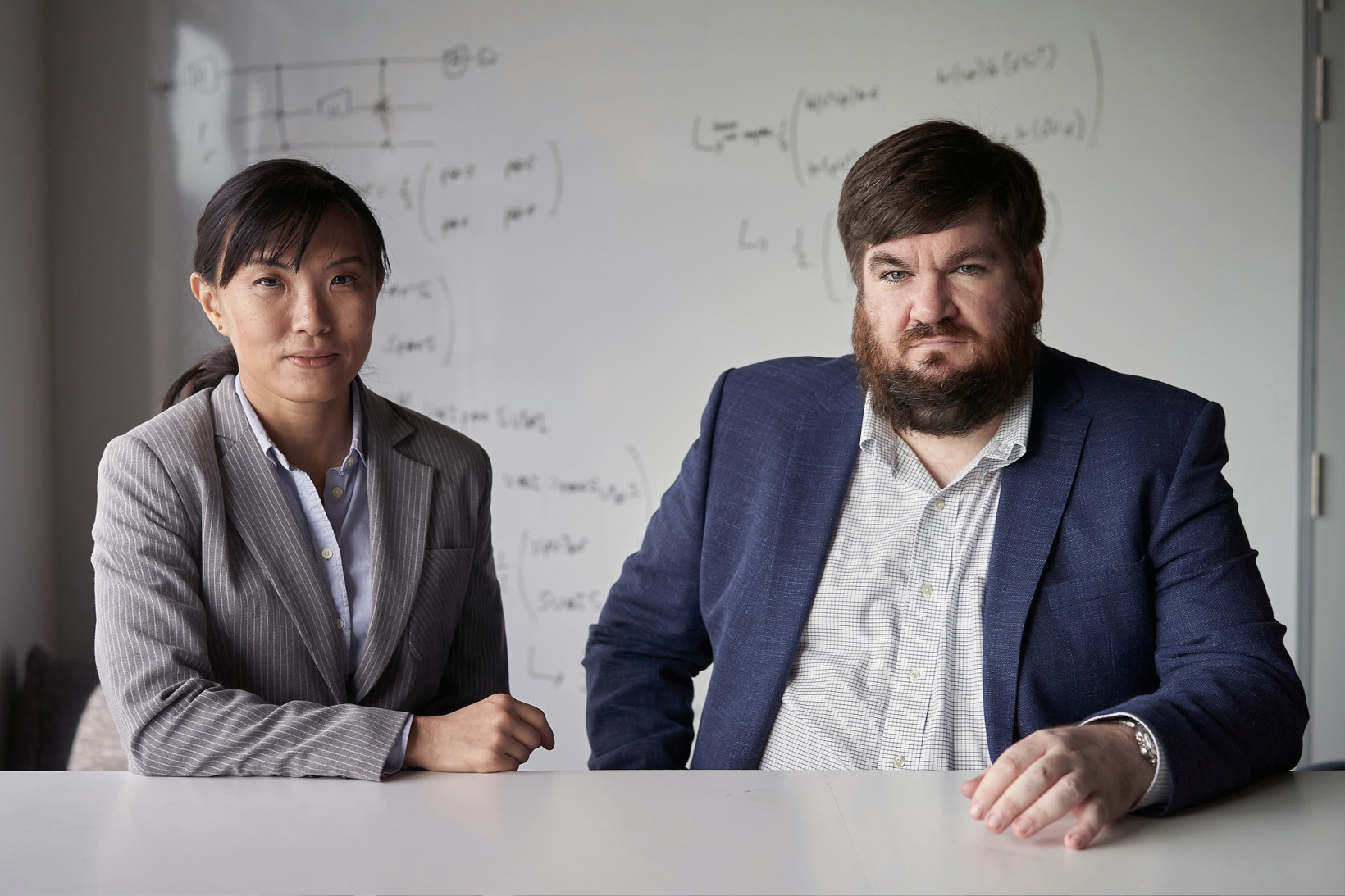
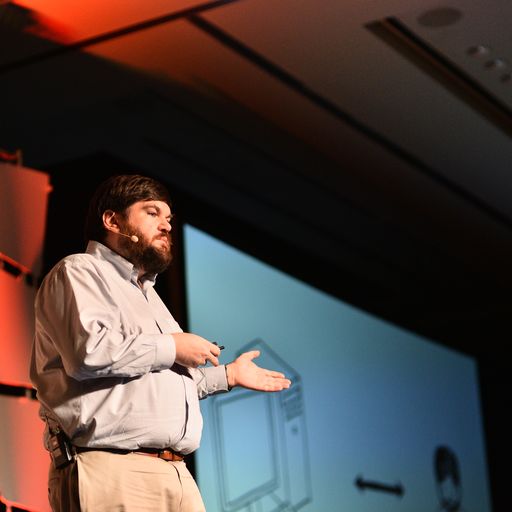
This article features an interview with Joe Fitzsimons, the CEO and founder of Horizon Quantum Computing.
Fitzsimons will bespeaking atTNW Conference, which takes placeon June 15 & 16 in Amsterdam.
If you want to experience the event (and say hi to our editorial team!
), weve got something special for our loyal readers.
Use the promo codeREAD-TNW-25and get a 25% discount on your business pass for TNW Conference.
See you in Amsterdam!
Quantum computing is fiendishly complicated to commercialise.
Despite claims that it willsave the planetandcure cancer, real-world applications are yet to emerge from the hype.
Forstartups, this offers both promise and peril.
Ominously, any practical use cases may not emerge for years if at all.
But when they do emerge, the potential applications and revenues are unimaginable and untapped.
With untold riches beckoning, budding leaders in the sector are prepared to play the long game.
40% off TNW Conference!
Its a milestone thats coming and hopefully, quite soon but we still havent reached that point.
For everyone in the space, its still about pushing technological progress as much as possible.
Fitzsimons has been pushing this progress for his entire career.
In 2018, Fitzsimons founded Horizon.
The startup is currently developing a system that automatically constructs quantum algorithms from classical code.
Fitzsimons had numerous reasons for picking Europe and Dublin as the first stop on Horizons global expansion.
They include a propitious tech ecosystem, the ease of doing business, and supportive legal structures.
But perhaps the biggest pull is the potential to plug the quantum talent gap.
Its a major constraint on the sector.
Ireland offers a unique solution to this problem.
An enticing tax regimehas attracted manyof Silicon Valleys biggest names to make the emerald isle their European home.
you could hire from both the UK and the EU.
Since Brexit, Dublins pipeline has only become more alluring.
Ireland is now the biggest English-speaking country in the EU and retains an incomparable connection to the UK.
And thats really a big advantage, because quantum computing talent is spread out globally.
In Europe, that talent has spread across a flourishing array of quantum computing leaders.
Its a formidable range of pioneers, but they still have immense barriers to hurdle.
Across the globe, quantum computing startups face a range of challenges, fromcrippling computation errorstoeye-watering costs.
In Europe, some further obstacles have been thrown into the path to profitability.
One of the problems is ubiquitous across tech articles:access to late-stage capital.
While Europe is renowned for scientific research, it lacks the growth funding to develop global tech leaders.
In quantum computing, the fundraising problem has an extra dimension: investors need to be unusually patient.
In time, their rewards could be incredible.
Analysts expectthe quantum advantageto extendacross all aspects of society but it wont get there overnight.
It takes a lot of work, so you need patient capital, says Fitzsimons.
Regrettably, funding isnt Europes only shortcoming.
Its a daunting entreaty to EU leaders.
In theinfamously weirdworld of quantum computing, the impacts of investments are hard to predict.
Nonetheless, Fitzsimons is confident that theyll pay off.
Essentially, youre talking about what could be computing all over again and the upside of that is tremendous.
Story byThomas Macaulay
Thomas is the managing editor of TNW.
He leads our coverage of European tech and oversees our talented team of writers.
Away from work, he e(show all)Thomas is the managing editor of TNW.
He leads our coverage of European tech and oversees our talented team of writers.
Away from work, he enjoys playing chess (badly) and the guitar (even worse).
