Ive been watching a lot of electric vehiclerestomod videos on YouTube lately.
Theres something quite cathartic about watching a rusted old heap transform into a zero emission beauty.
In reality, its never that simple.
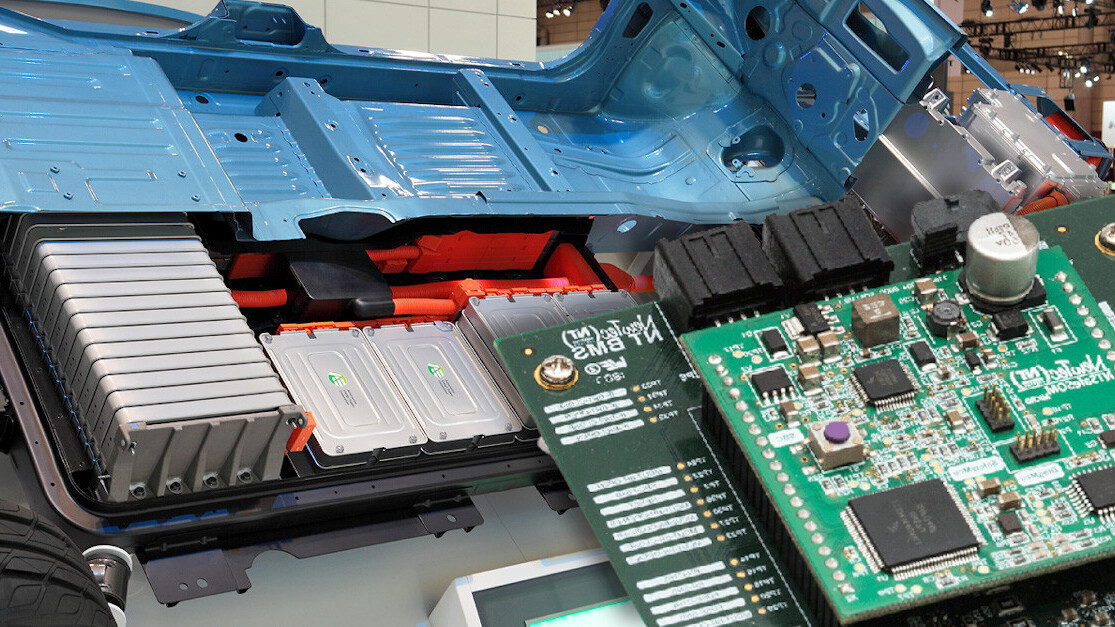
There are quite a few more vital components that need to be installed.
One that gets mentioned a fair bit, is the battery management system (BMS).
But what is it, and what does it do?

It’s free, every week, in your inbox.
The reason why many are baffled by battery management systems (BMS) is because its basically new tech.
Theres not really an equivalent in earth-killing gas cars, but we could say its like the ECU.
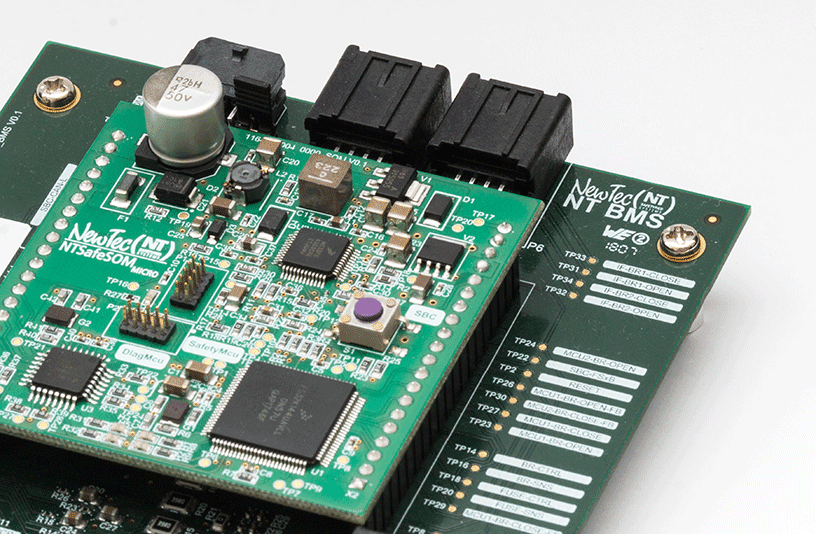
In essence though, the BMS in an EV is a critical safety feature.
Seriously though, high-voltage EV batteries are dangerous bits of kit when they dont operate within set parameters.
Whats it doing?
When it comes to voltage, the BMS doesnt just monitor the overall voltage of the battery.
It can monitor individual cells and packs.
The BMS will also monitor the flow of electricity in and out of the battery.
One of the most important things that a BMS does is monitor the batterys thermal state.
Lithium-ion cells used in EV batteries last longest and charge best when kept within predetermined temperature limits.
Its the BMS job to continually monitor the battery, and step in if its getting too hot.
In EVs with active cooling, the BMS can trigger battery cooling systems to ensure its safe operation.
Without a BMS, batteries would be unsafe, wouldnt last very long, and EVs just wouldnt work.
Spare it a thought sometime.
DoEVs excite your electrons?
Do ebikes get your wheels spinning?
Do self-driving cars get you all charged up?
Story byMatthew Beedham
Matthew is the editor of SHIFT.
He likes electric cars, and other things with wheels, wings, or hulls.
