Small aerial drones are touted as a disruptive technology, with massive investment and hype surrounding their use.
They may deliver our morningcoffee,pizzas, time-sensitivemedical supplies, andAmazon orders.
Ambitions to expand on-demand operations hinge on drones performing with sufficient up-time to supplement or supplant conventional practices.
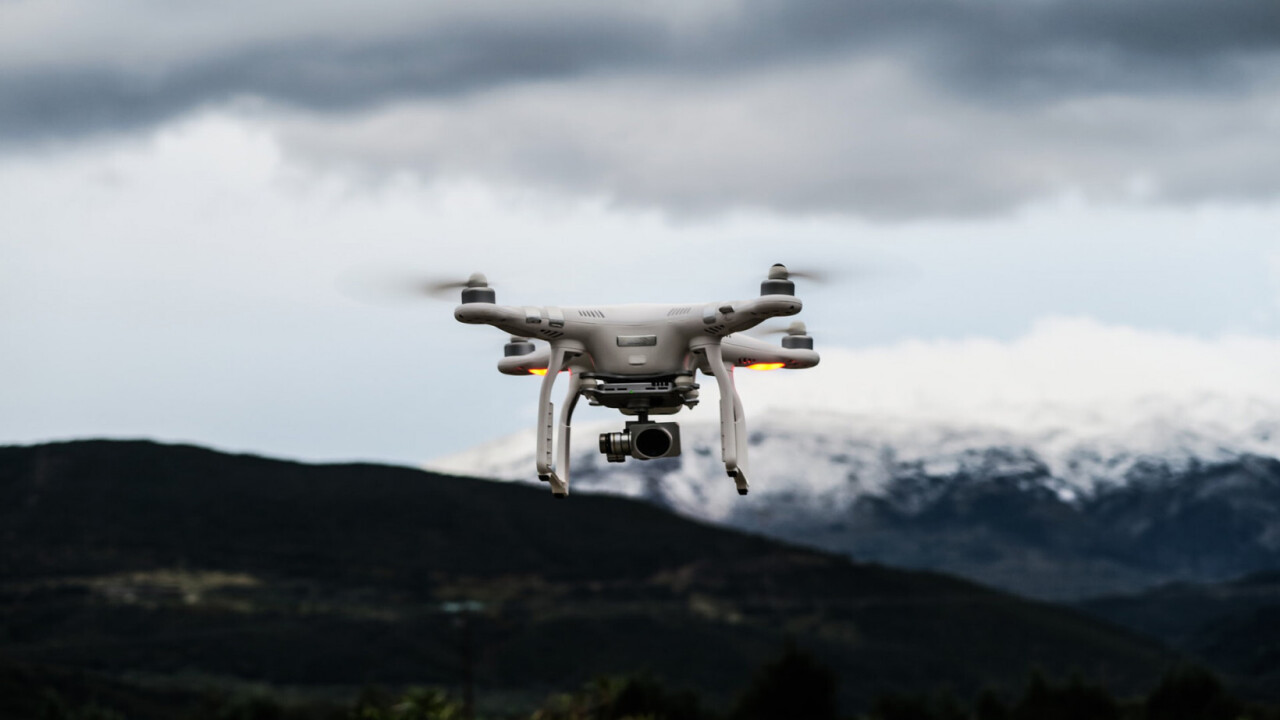
The viability of using drones for these applications is diminished if weather prevents them from flying.
It’s free, every week, in your inbox.
Are drones reliable enough for time-sensitive delivery applications?

For time-sensitive or emergency drone delivery of medical supplies, a low flyability value is problematic.
Waiting for the weather to clear up is not an option.
Alternative or conventional modes of delivery will be required to supplement drone operations when the weather is unsuitable.
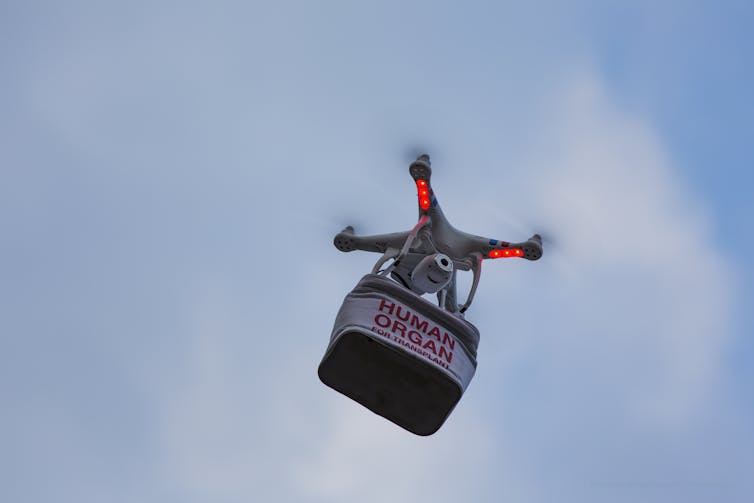
Some cities are located in more or less favourable drone climates.
What degree of weatherproofing do common drones need to increase their flyability?
Our research demonstrates that weather is a considerable constraint on the widespread adoption of common drones for on-demand applications.

Future local-scale studies in select cities may help illuminate the appropriate level of weatherproofing needed.
