Researchers analysed 62 placental tissue samples andfound microplastics in all of them.
This is where synthetic biology, or synbio, could have a significant part to play.
Companies likeFabricNanoare trying to make this a reality.
40% off TNW Conference!
It is also expensive, and different enzymes of the cell can compete with each other for energy.
The beauty of nature is that we have trillions of proteins, Aarons says.
Each of these proteins can take a very unique starting molecule and convert it to a different outcome molecule.
However, proteins are incredibly perishable.
Once you pump it outside of a cell, it is viable for about one hour.

Then it unravels and loses both its three-dimensional shape and its function.
This is where FabricNano comes in.
The company then runs the data points through an AI model that tells it how to connect the pieces.
Journey to market
There are some clear early commercial applications.
For instance, bioplastics from tree bark, cellulose, and lignin and biodiesel from vegetable oils.
However, according to Aarons, almost everything is on the table.
This includes commodity chemicals, fuels, plastics, drugs, and different healthy sugars for better foodstuffs.
you could name pretty much anything under the sun, and Ill tell you its possible with biology.
But it doesnt work unless that protein lasts long enough.
And so we solve this stability problem, this robustness problem.
But the process is not a quick solution.
Where the startup could have more impact early is where it could service a ready market today.
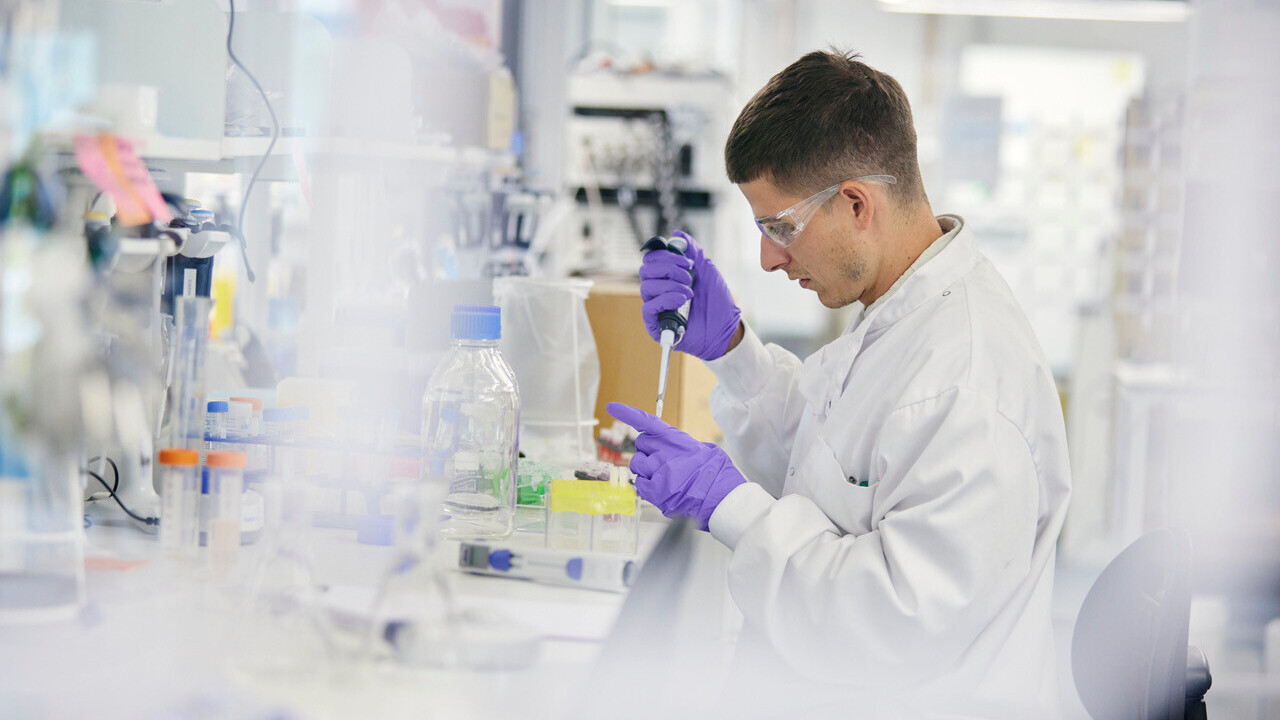
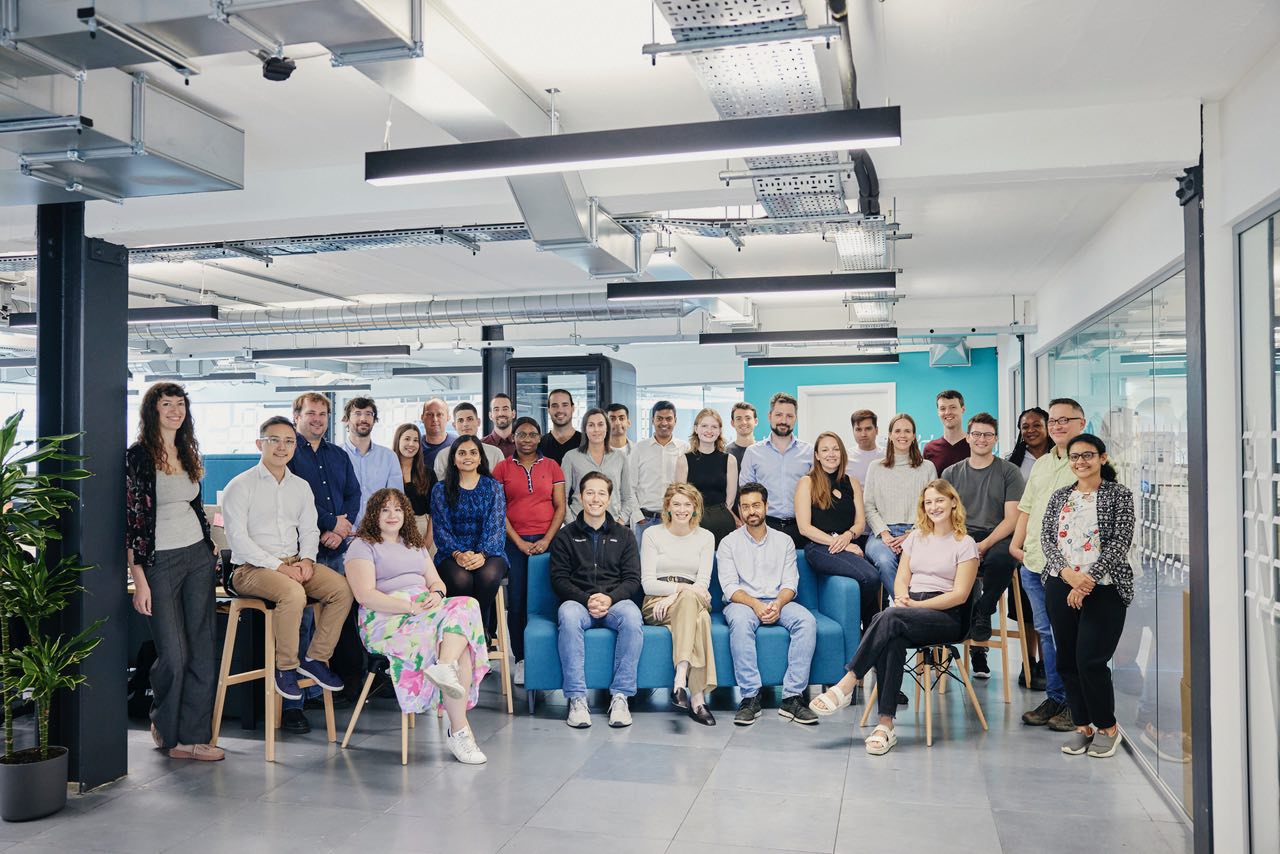
The company currently employs 30 people, many of whom work in its lab facilities in Euston, London.
Hearing the FabricNano CEOspeak youd think he was a biologist or chemist by trade.
ButAarons began his career working at the Federal Reserve in New York.
However, he says, he couldnt find anyone who really wanted to work on it.
Does the vision actually resonate with all your employees and your customers?
Story byLinnea Ahlgren
Linnea is the senior editor at TNW, having joined in April 2023.
Dabbles in gaming and fitness wearables.
But first, coffee.
