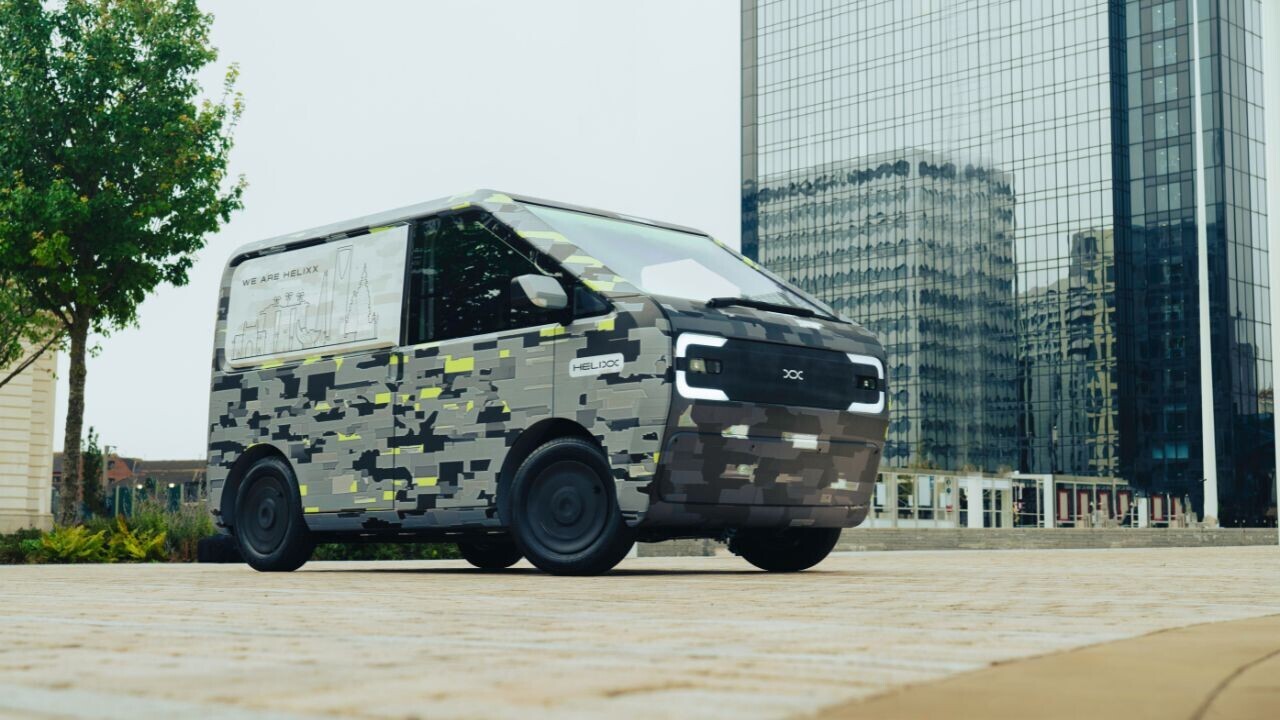
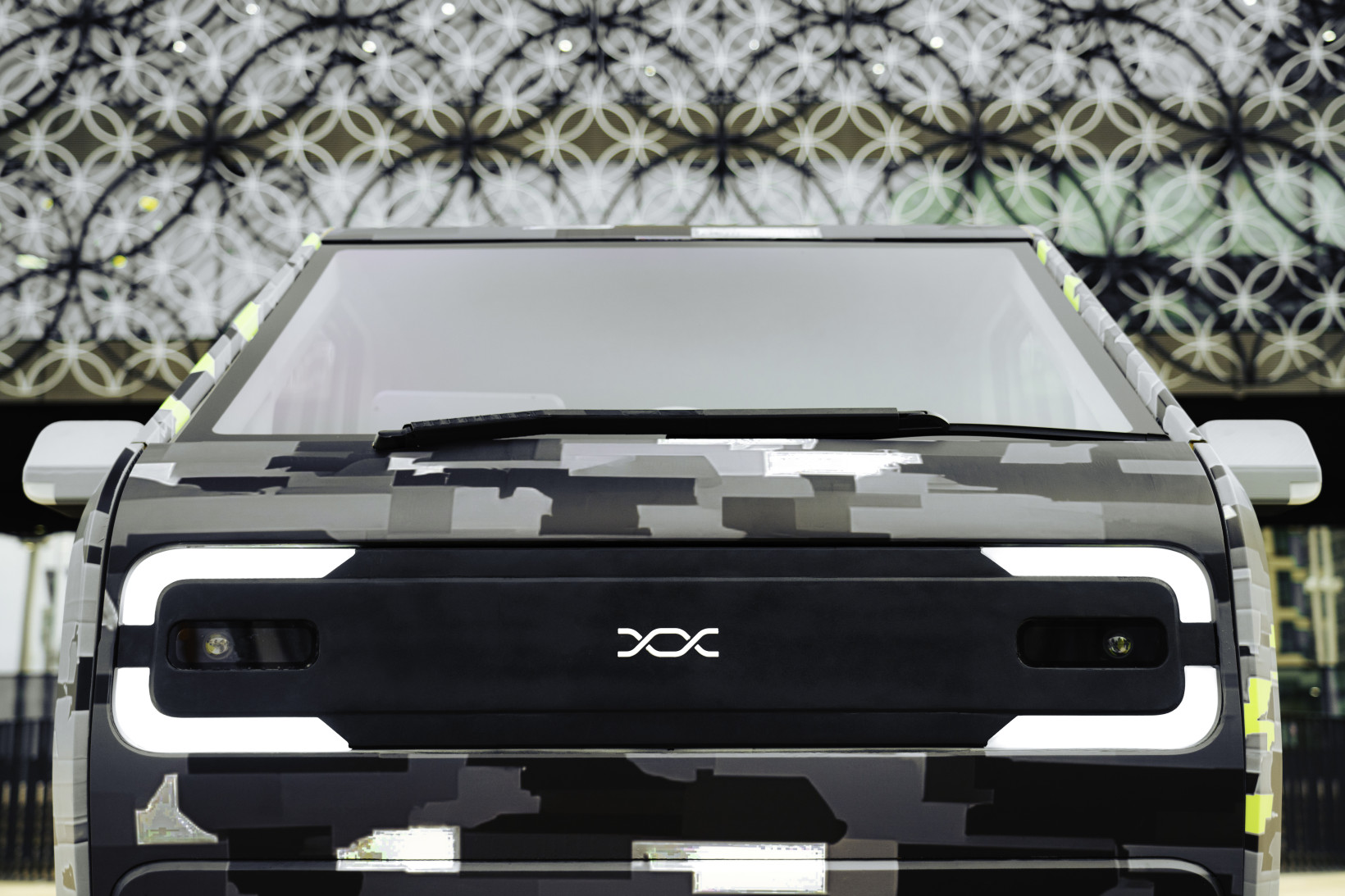
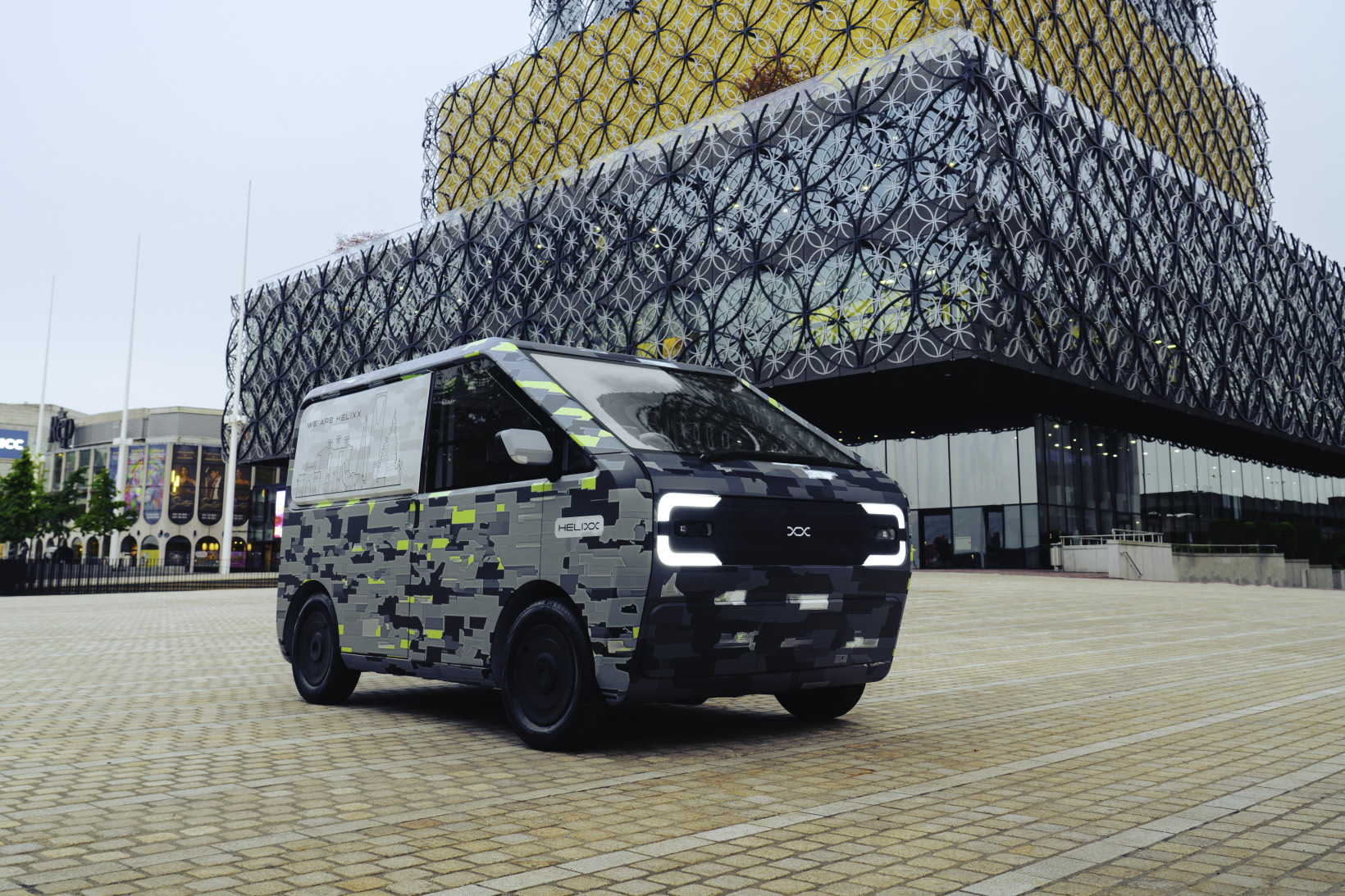
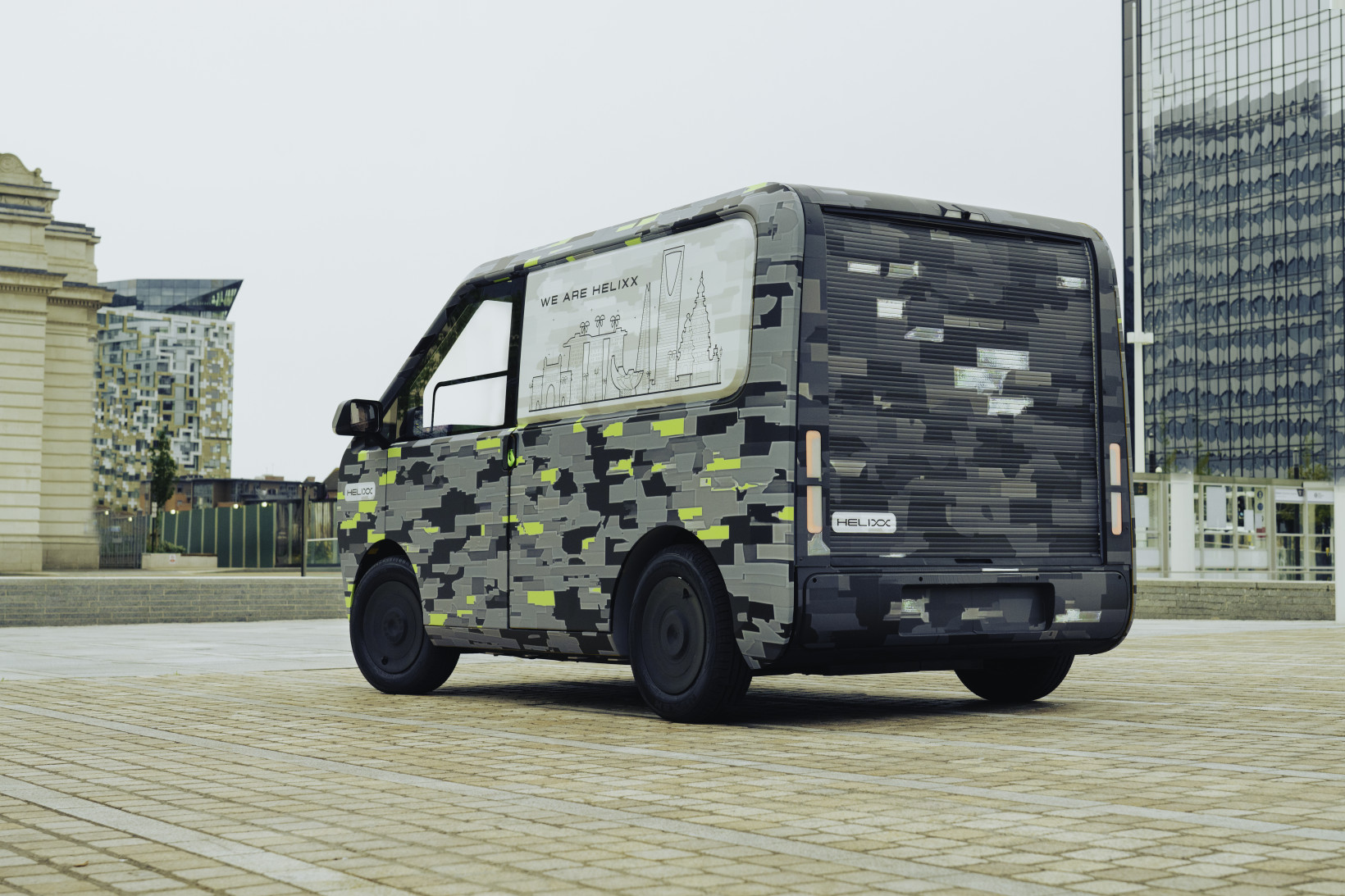
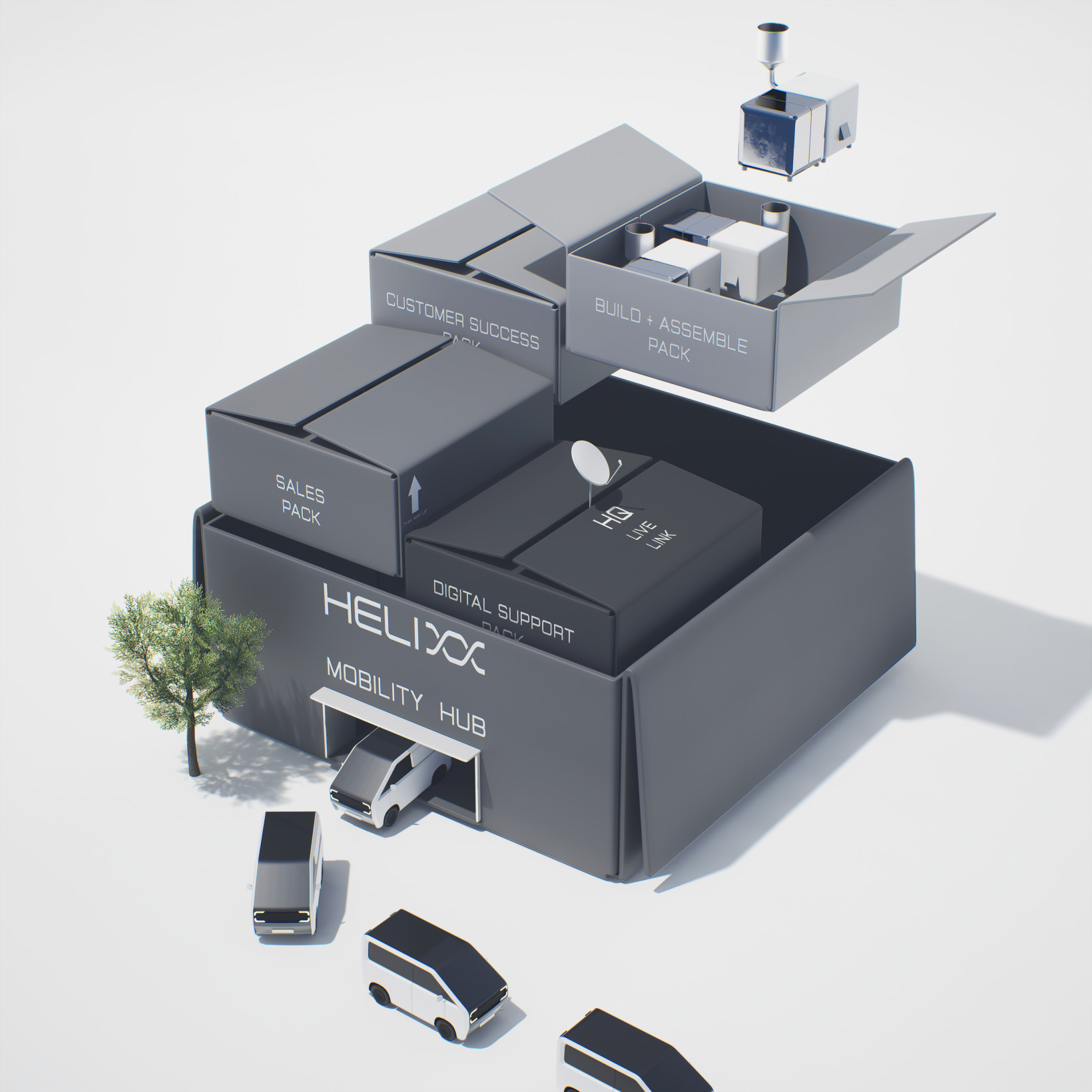
Helixx has unveiled the first demonstrator vehicle from the startups factory in a box system.
The commercial delivery van was built to validate a new form of carmaking.
Once the facilities are installed, they can rapidly assemble low-costelectric vehicles.
The concept applies the McDonalds franchise model to vehicle production.
Helixx supplies the materials, designs, processes, and expertise as a white-label license.
The customers then assemble the actual vehicles.

Its a blueprint that promises rapid results.
It’s free, every week, in your inbox.
The framework could also ease the green transition in developing regions the target markets for Helixx.
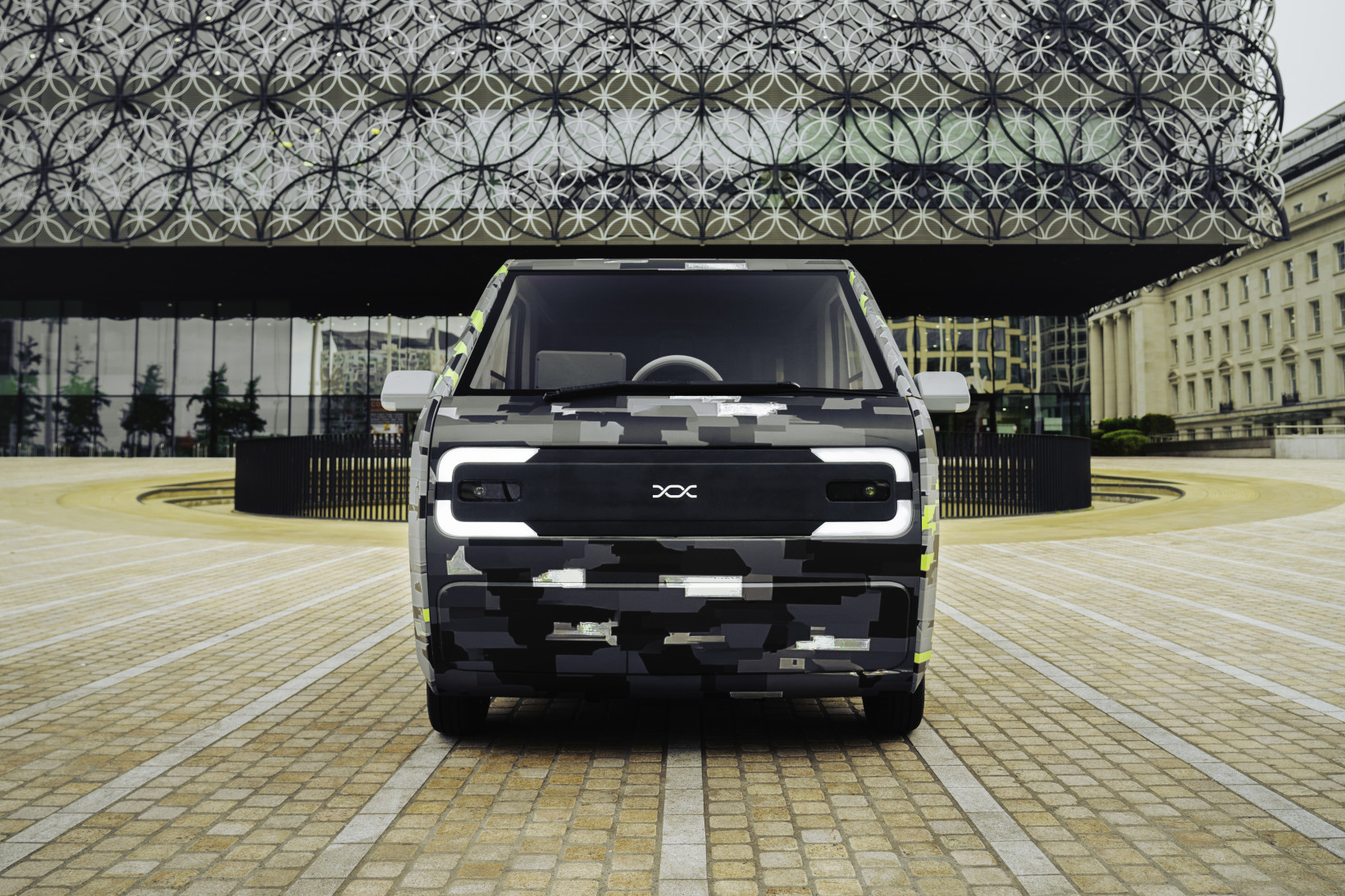
The demo vehicle aims to amplify engagement and feedback from these markets.
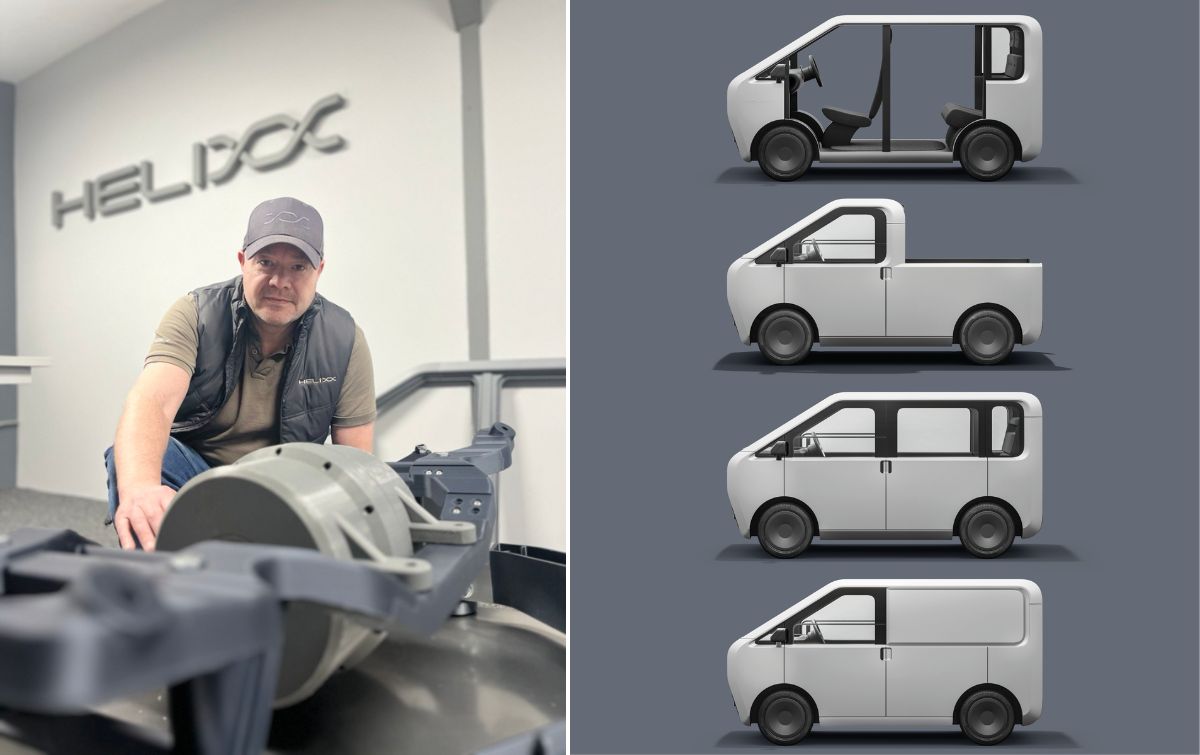
Designed for easy assembly and optimum interior load space, the van features a hybrid aluminium chassis.
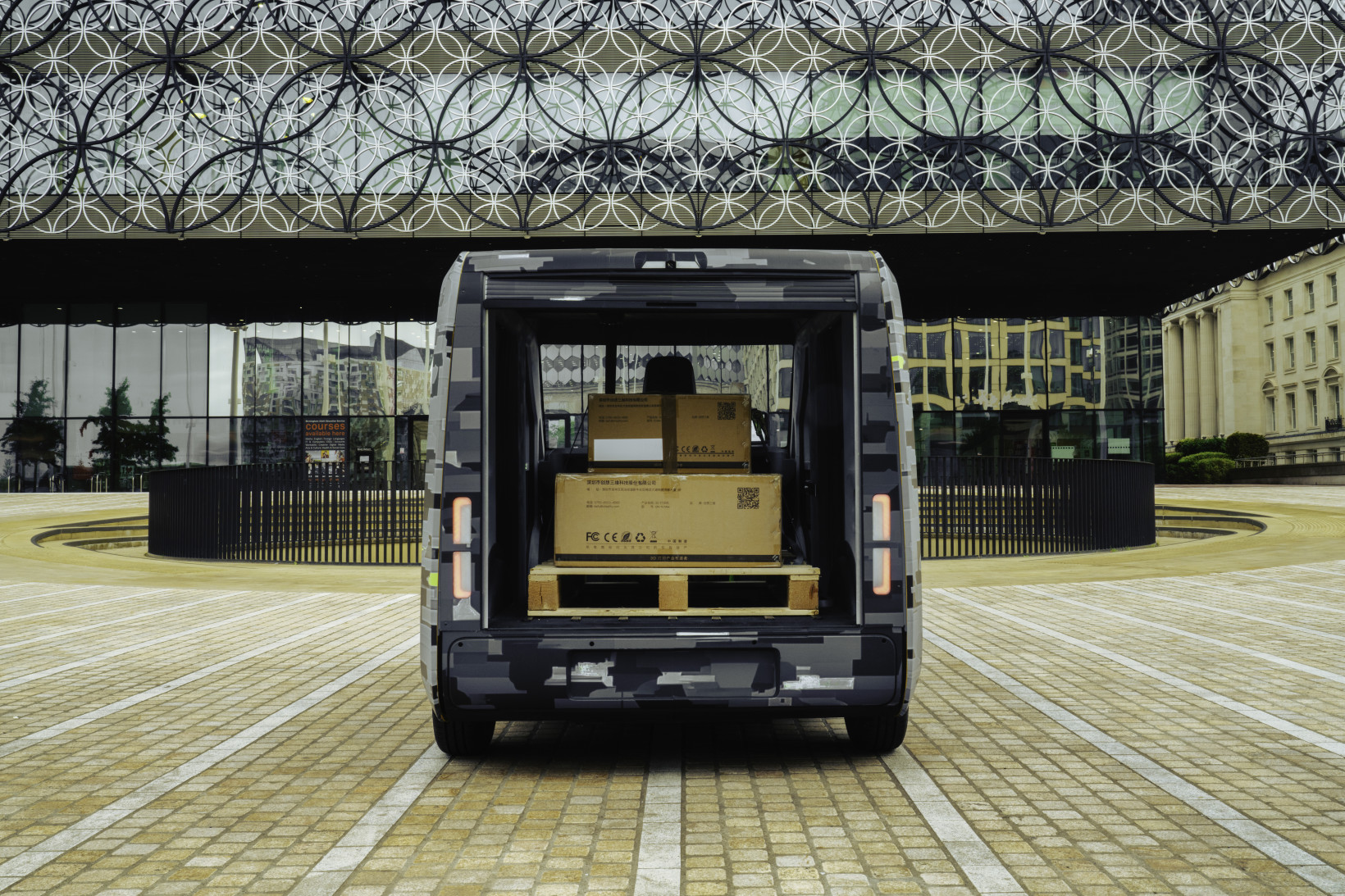
With a 2,100-litre capacity and a 500-kg maximum payload, the vehicle accommodates the bulk of global shipping pallets.
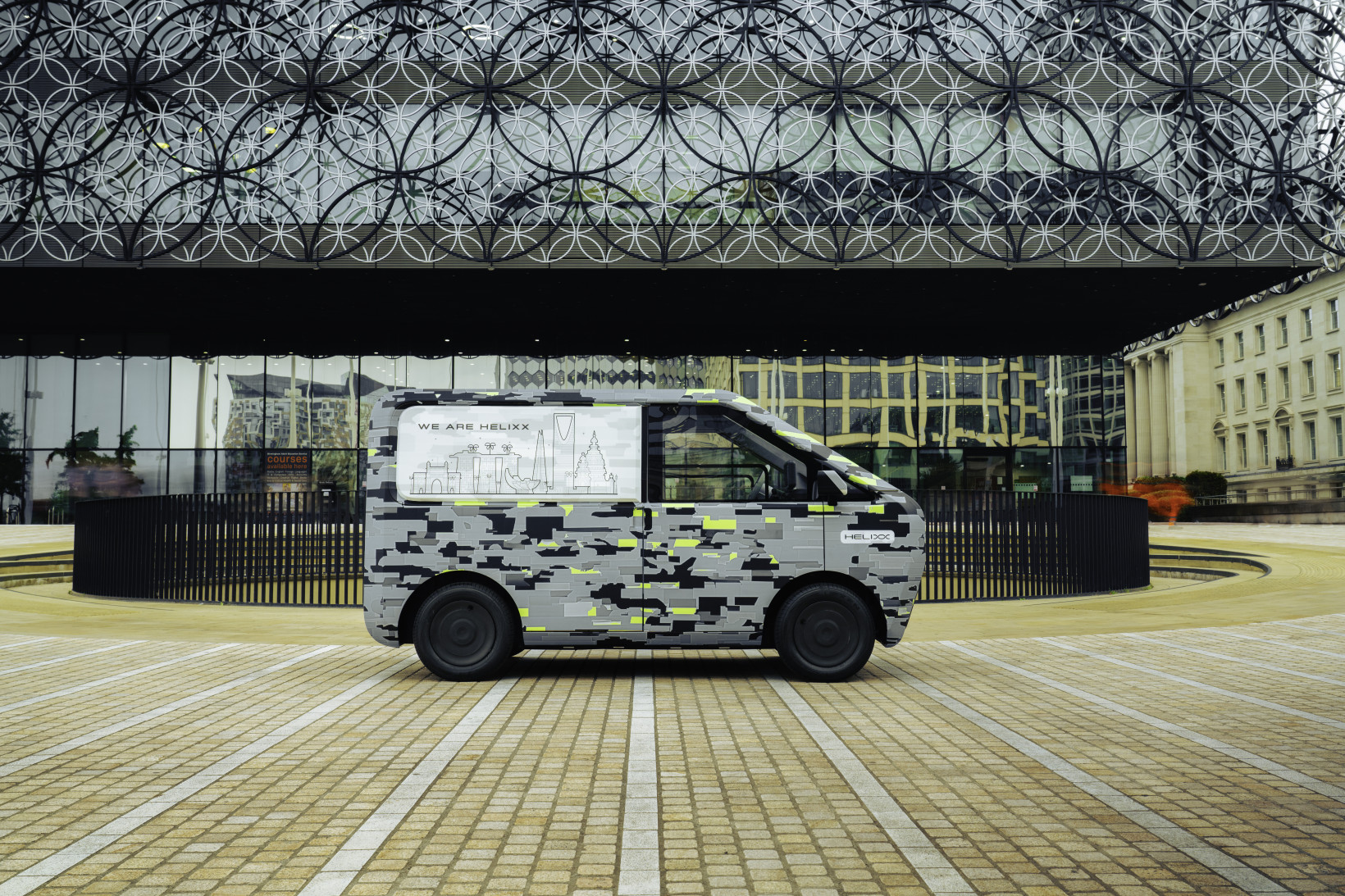
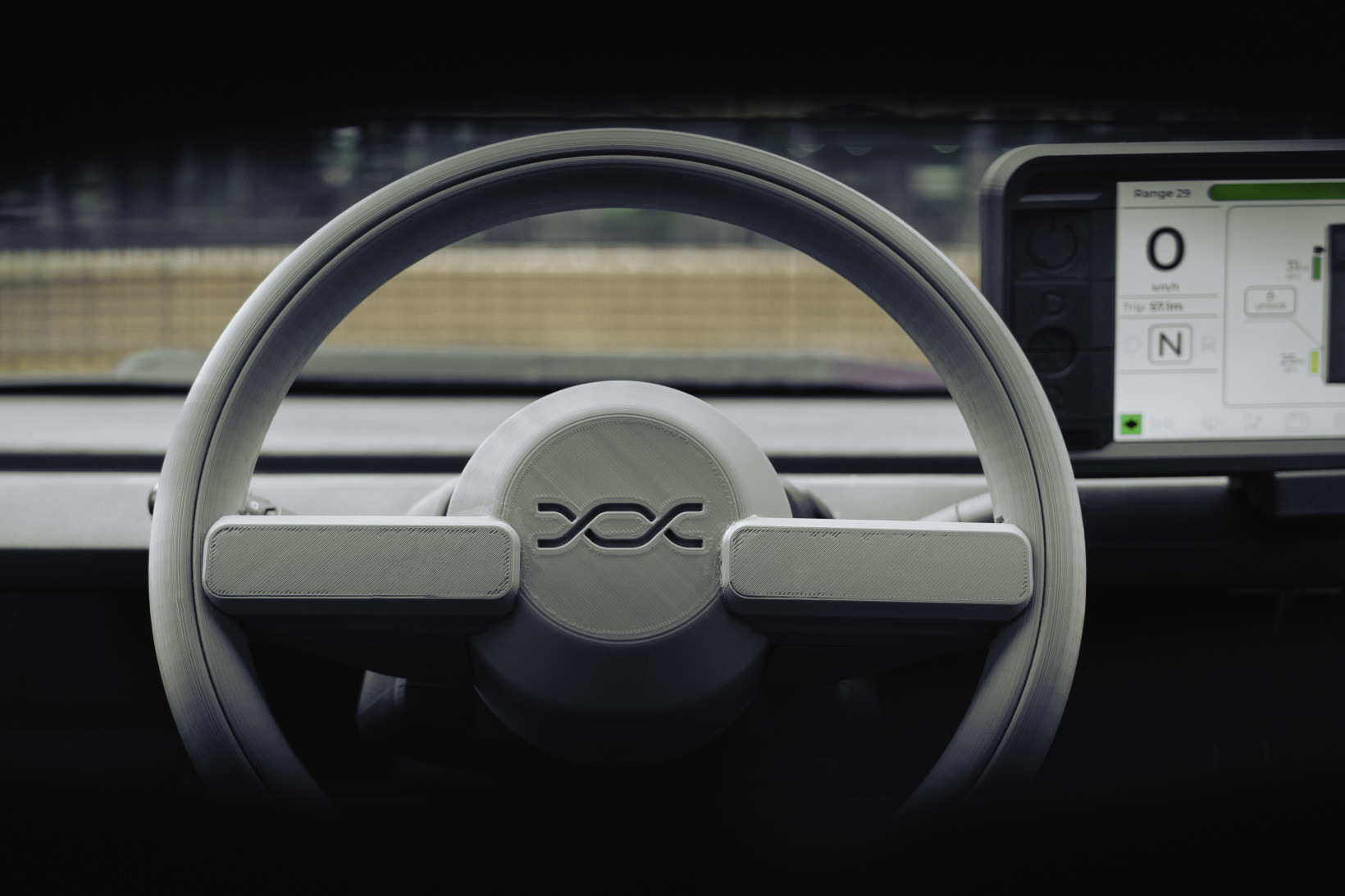
One eye-catching feature is the central driving position.
The single-seat design optimises load space, while ensuring compatibility in both left- and right-hand-drive countries.
To minimise manufacturing complexity, a specific ruleset guides the vehicle construction.
As a result, the process can be replicated in Helixx mobility hubs.
Customers can then integrate white-label designs and localised branding.
Inside the body system, there are five key structural components.
All of them click and bond together for easy assembly, which also cuts manufacturing costs.
Steve Pegg, the startups CEO and co-founder, said the van proved the replicability of the methods.
The demonstrator transforms Helixx from a great idea into a tangible, accessible proposition, Pegg told TNW.
It also previews the companys real commercial delivery van.
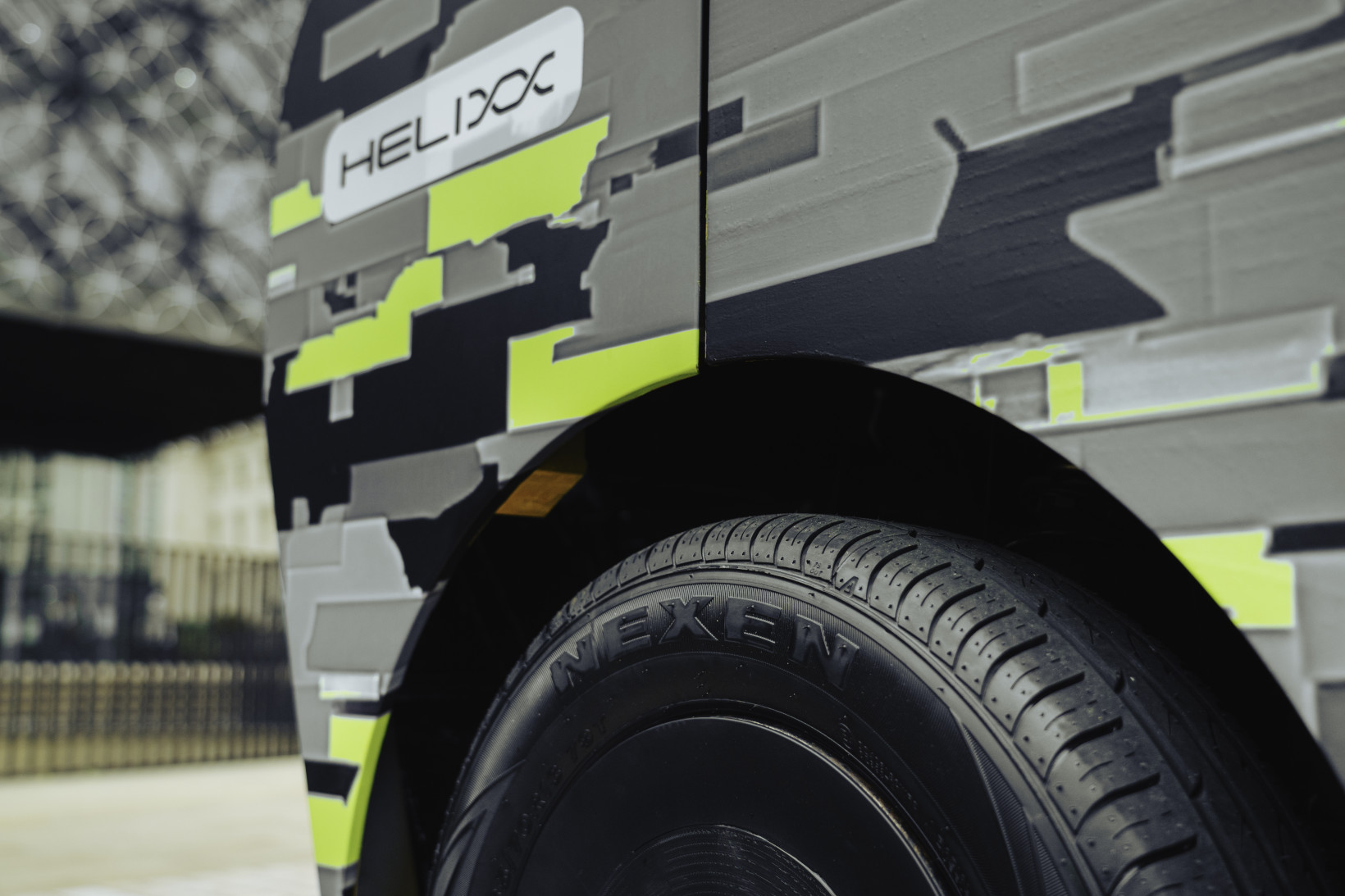
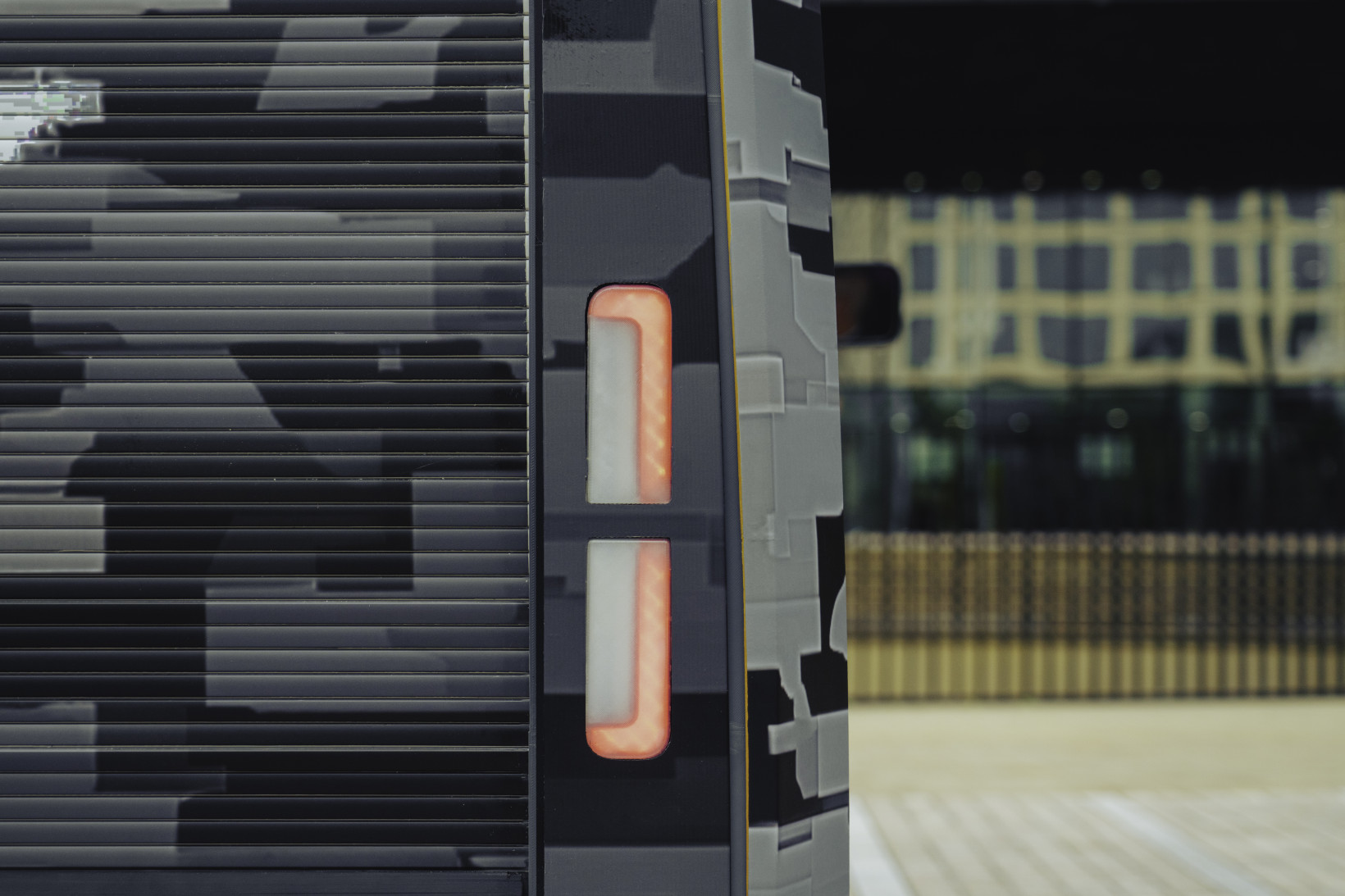
Helixx used in-house 3D printing to create the body parts.
All of the components were captured digitally.
They will now provide the basis for an industry-first wide-scale, internally recyclable polymer-moulding body system.
To assemble the parts, Helixx useda first-time-fit during the bonding process.
No welding of stamped body panels was required.
Another aspect of Helixxs model is the Siemens Xcelerator.
The software suite can create digital twins for every part of the manufacturing ecosystem.
Helixx also wants the van to showcase the startups offering to license holders.
Subscriptions for Helixx vehicles start at $0.25 per hour.
Operators can also subsidise revenues through e-ink advertising panels anddata-as-a-service.
Its a business model thats specifically designed for emerging markets.
The next step for Helixx is atest production run of 100 vehicles at a pilot hub in the UK.
Subsequently, the company plans acustomer vehicle and factory rollout at a concept hub in Southeast Asia.
It goes beyond adding more vehicles to highly populated cities.
Story byThomas Macaulay
Thomas is the managing editor of TNW.
He leads our coverage of European tech and oversees our talented team of writers.
Away from work, he e(show all)Thomas is the managing editor of TNW.
He leads our coverage of European tech and oversees our talented team of writers.
Away from work, he enjoys playing chess (badly) and the guitar (even worse).
Also tagged with