Live blog
[9:08]Off to a late start.
But if I hear the same song again Im switching careers.
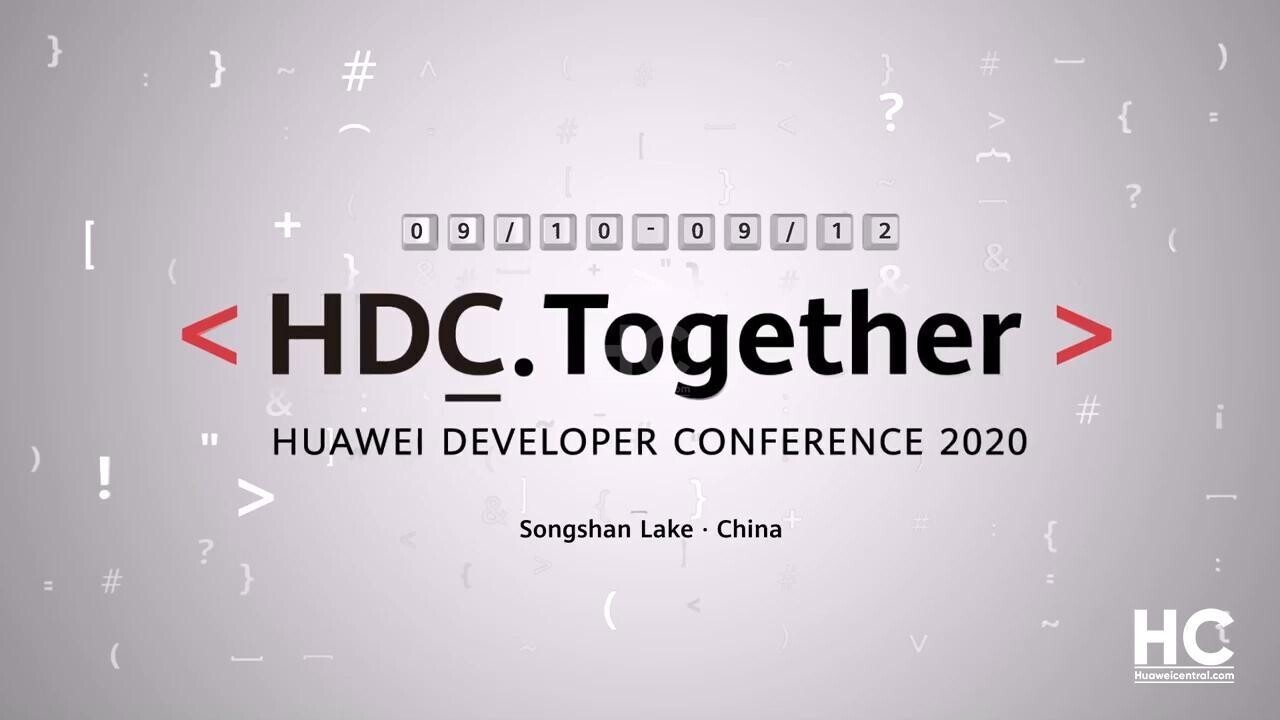
[9:12]And were off.
It’s free, every week, in your inbox.
[9:21]The rumors about HarmonyOS 2.0 are true.
No word on a release date yet, though it was just announced.

[9:23]Spoke too soon.
Well see HarmonyOS 2.0 today for smart TVs, watches, and headsets.
It comes to smartphones in December 2020.
[9:31]HarmonyOS 2.0 brings about improvements in throughput, latency, and reliability.
[9:36]Huaweis touting the money and time that it has spent on creating airtight security.
Over 12 million devices are currently using Harmony SDKs.
There are 17 subsystems and 134 code repositories.
[9:48]HarmonyOS is coming to toasters.
Well see it in everything from refrigerators to washers and dryers.
I might need some convincing that a smart dryer is the future.
It has a distributed scheduler, simulation modules, and automated testing.
[10:06]On to EMUI 11, Huaweis Android-based, custom user interface.
The demo video looks impressive.
Well see smoother animations and interactions.
This fluid interface shifts space to one app while taking it from another as you resize in real-time.
[10:15]Translation isnt just limited to audio.
It also features text and image-based translation, platform-wide, using OCR.
[10:30]Seems Huawei is experiencing some technical difficulties.
The keynote, scheduled for two hours, went dark several minutes ago on both Facebook and YouTube.
Well update when, or if, its resolved.
[10:34]Twitterlinkis still working!
[10:41]Map engine, a release from last year, has 11 new capabilities.
Some of these include walking directions, public transportation, and enhanced navigation.
[10:47]Huawei has optimized its global, mobile-first search engine.
Its currently looking for additional partners to open up capabilities to support local applications.
[10:59]Image Kit now features template-based animations while offering a number of new design capabilities.
Its lightweight, offering easy access to several filters and animations with a single API.
It connects with Huawei Cloud, which features developer support, promotion resources, and a free migration period.
[11:19]HMS Core brings improved user interactions to the AI that drives IoT devices.
From design to development, and debugging, everything can be done on one platform.
It looks like thats just about it for day one, and any new announcements at Huaweis HDC2020 keynote.
Thanks for stopping by and following along with our real-time updates.
Story byBryan Clark
Bryan is a freelance journalist.Bryan is a freelance journalist.
