The startup scene in the Nordics is bustling, driven bywell-establishedand evolving hubs alike.
Among the regions growingtechforces is Oslo, which analysts have ranked17thin the top 100 emerging ecosystems in the world.
It raised a total of $236mn a 35% increase compared to the same period last year.

To get a closer look at Oslos startups, TNW took a trip to the Scandinavian city.
Were zooming in on four companies you should know about:
40% off TNW Conference!
The startup was founded by Marit Rdevand, Sigve Srasen, and Patrick Skjennum.
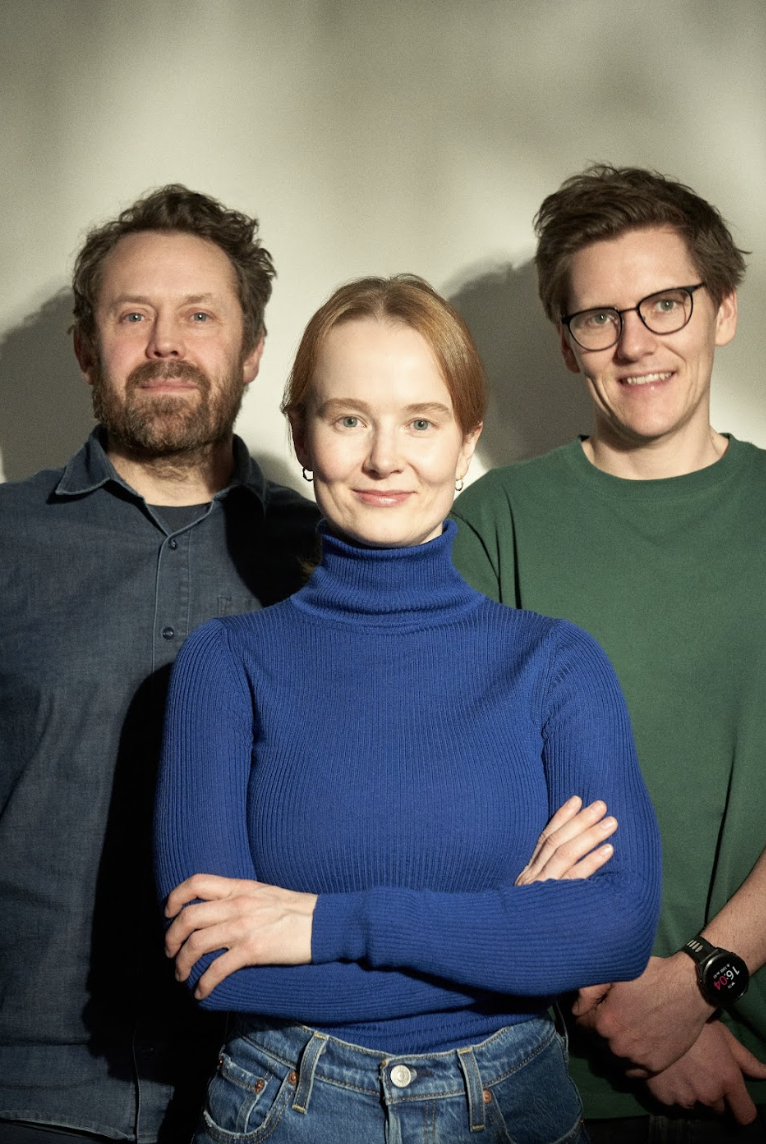
The trio had their Eureka moment during a research project on data models at Norways NTNU university.
But banks risk assessment processes are still heavily manual, which means theyre time-consuming and prone to errors.
To address this, Strise has developed an end-to-end AML automation cloud.
Strise also provides customisable solutions and a number of different APIs.
Our approach is covering both the need for data and for automated, more efficient workflows, Rdevand says.
Strise has raised15.5mn in funding and is now expanding to the UK.

In time, it plans to enter more European markets and the US.
Our long-term vision is to help eradicate financial crime, Rdevand says.
In the future, we aim to build AI solutions for more related verticals.

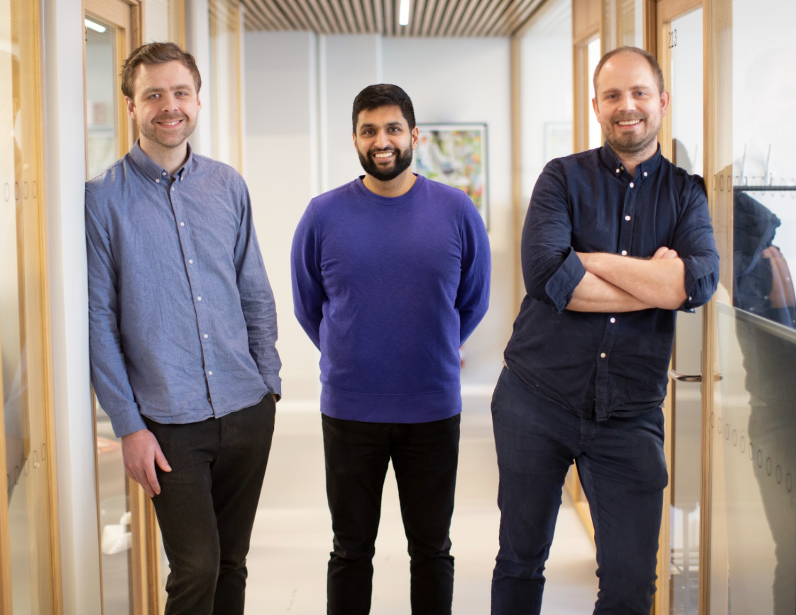
According to Shah, whos also serving as the companys CPO, the collaborative process is entirely conversational.
As a user, you have a lot to contribute.
These are things that the model doesnt understand.

Compared to typical no-code tools, Databutton claims increased flexibility.
No-code platforms have a limited set of building blocks for the backend.
The same goes for UI integrations, Shah says.
Thats because what you generate is Python code.
This also means that its possible to use existing libraries in Python or in React for UI components.
This is also the market where its seeing the biggest demand for its product.
It has raised 4.6mn in funding to date.
We believe that it doesnt have to be.
It also quantifies the financial implications of achieving carbon neutrality through different courses of action.
According to Christiansen, these insights are key for the decision-making process of asset managers.
Existing tools are too simplistic, essentially analysing historical emissions and performing trend forecasts, he tells TNW.
To analyse and forecast the interaction of intertwined factors, Zerolytics usessystem dynamicsmodelling.
The startups tools currently targetClimate Action 100+focus companies, which represent the worlds biggest greenhouse gas emitters.
The list includes the likes of Shell and BP.
In time, Zerolytics will expand its model according to its clients needs.
The startup has already soft-launched its platform to a number of selected asset managers for feedback.
It plans to fully launch later this year.
In its latest funding round in 2023, Zerolytics raised 3.5mn.
Think of it as an Airbnb or Uber for solar, Thorsheim tells TNW.
The startup uses machine learning to analyse satellite and mapping information for any given house.
It calculates the houses shape and determines the amount of panels that fit on the roof.
We call it the Tetris operation, Thorsheim says.
Otovo manages the entire process from selection and installation to maintenance.
Consumers can pay upfront for the service or opt for a monthly subscription.
It has completed over 25,000 installation projects.
The same year, the startup went public after listing on the Euronext Growth stock exchange.
To date, it has raised 150mn in equity and 100mn in debt.
Thats great for the startup ecosystem here.
We get to test what the future can be in a smaller environment.
Story byIoanna Lykiardopoulou
Ioanna is a writer at TNW.
With a background in the humanities, she has a soft spot for social impact-enabling technologies.
