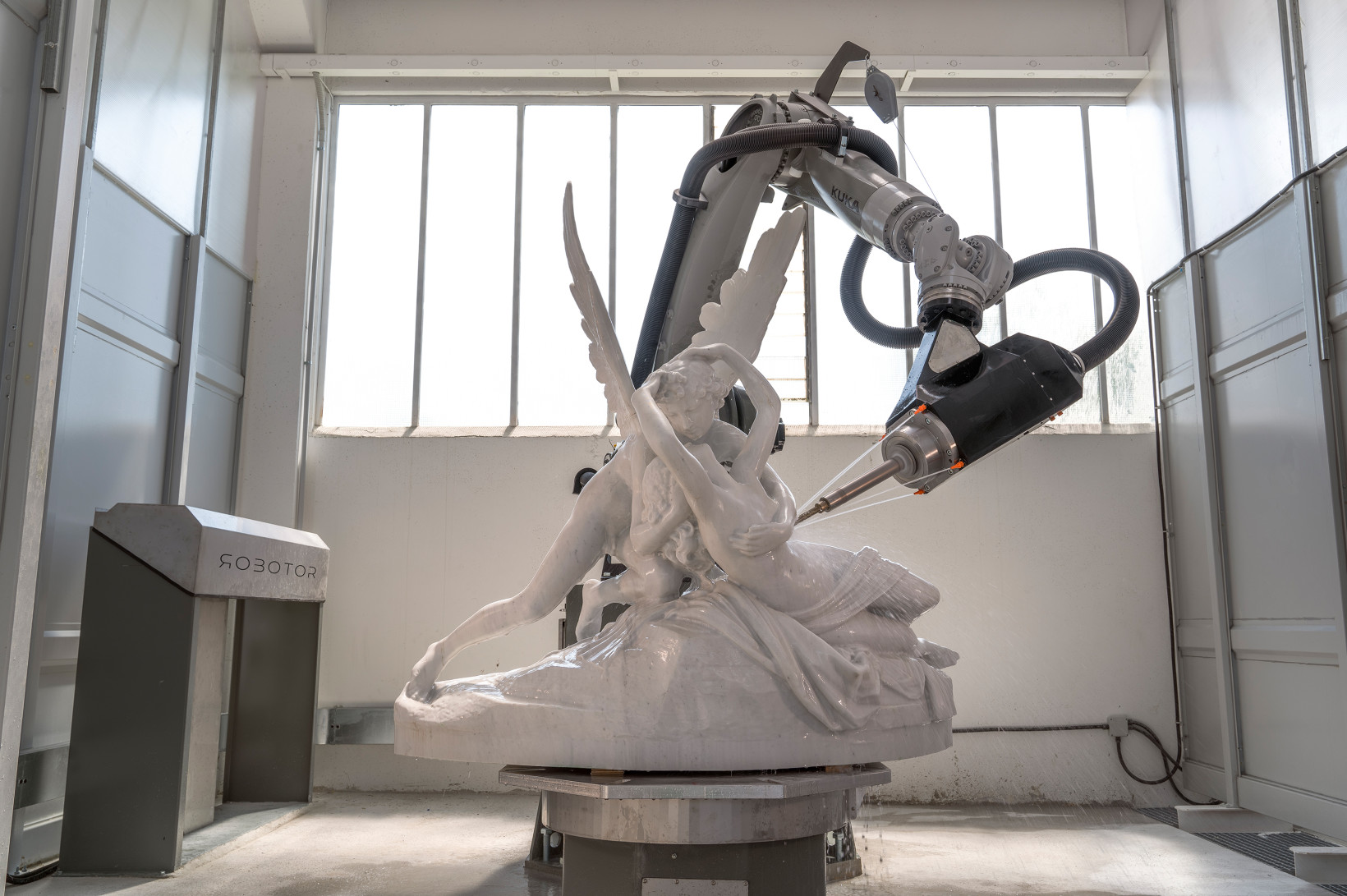
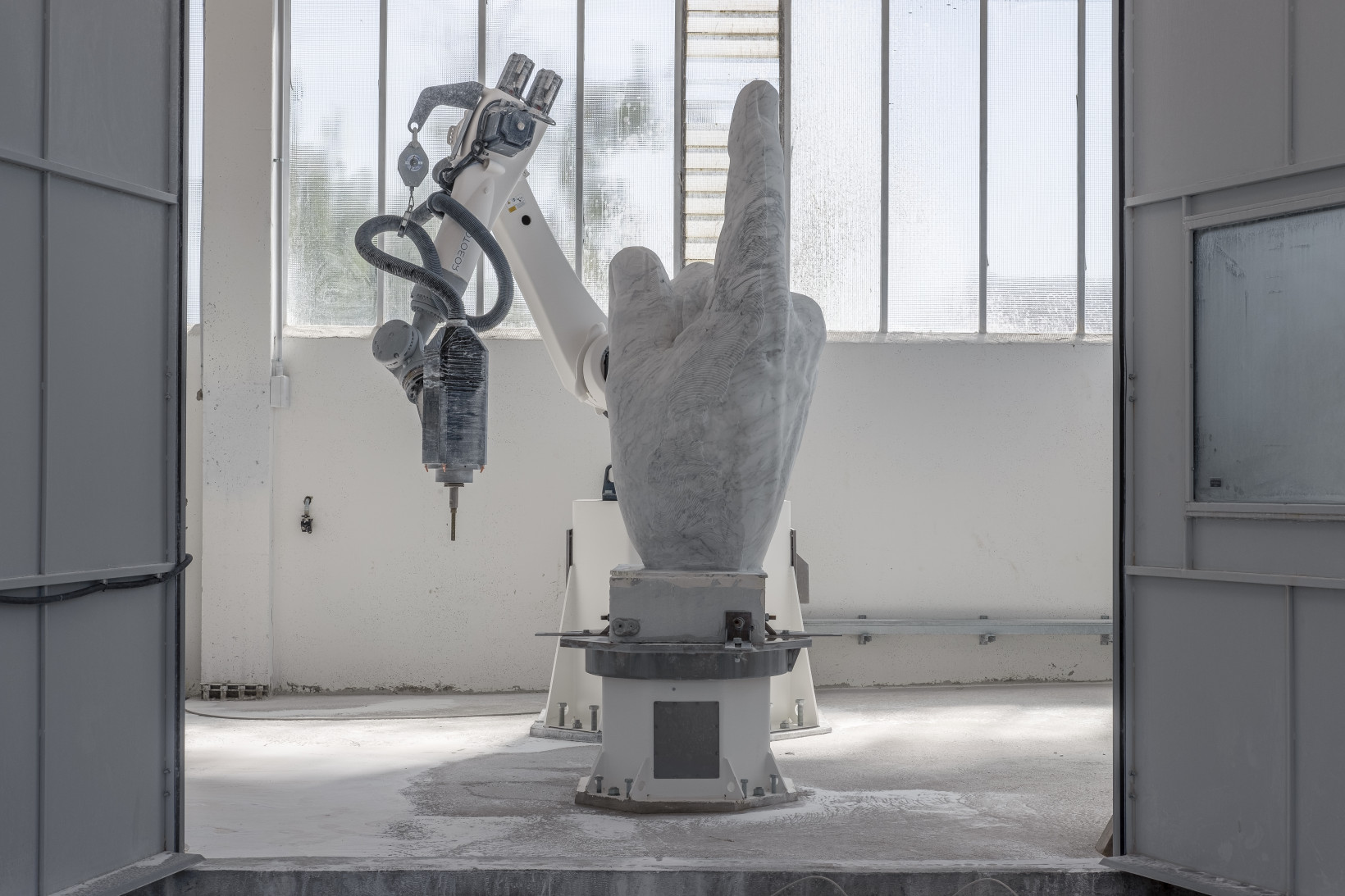
Torart developed the first robot two years later, and in 2010 Giacomo Massari joined the team as well.
It’s free, every week, in your inbox.
Our robots are born from sculptors for sculpture, co-founder Giacomo Massari tells TNW.
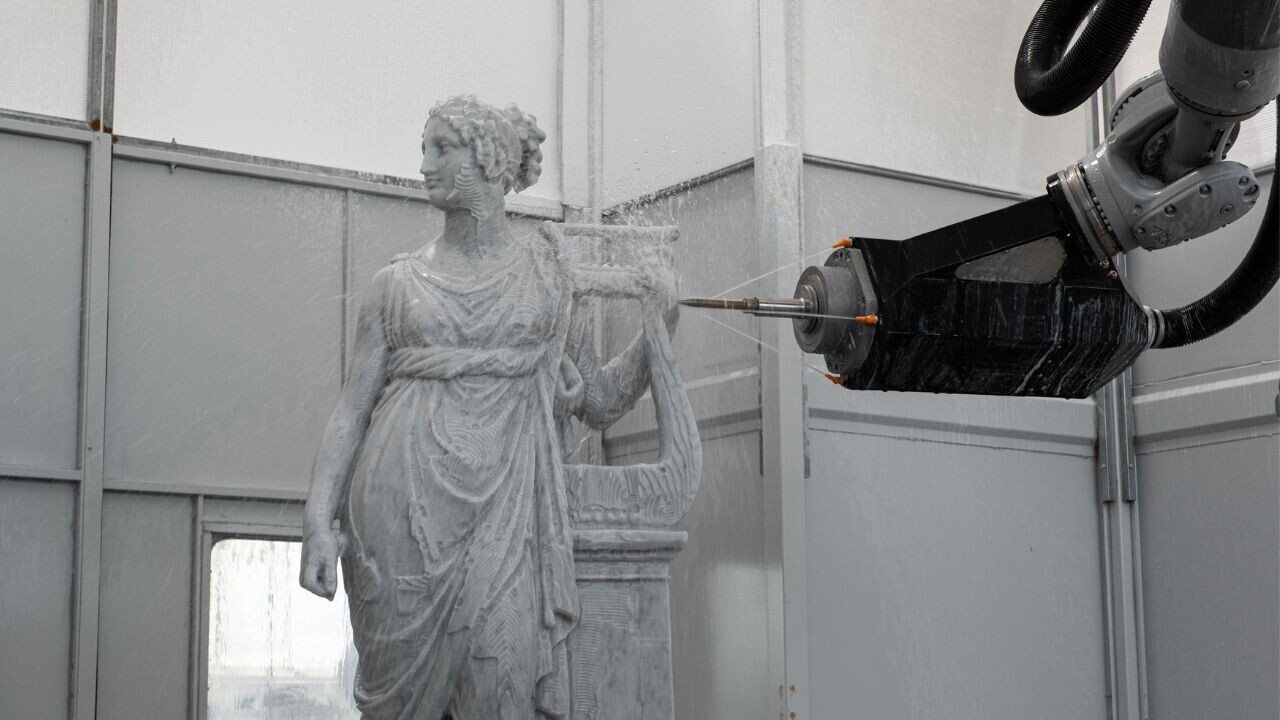
The idea behind their development is to entrust a robot with tiring work, Massari adds.
The arm is mounted on a multifunctional, modular base, which contains the necessary electrical and hydraulic components.
Its also accompanied by a seventh-axis rotary table, where the marble and future sculptures stand.
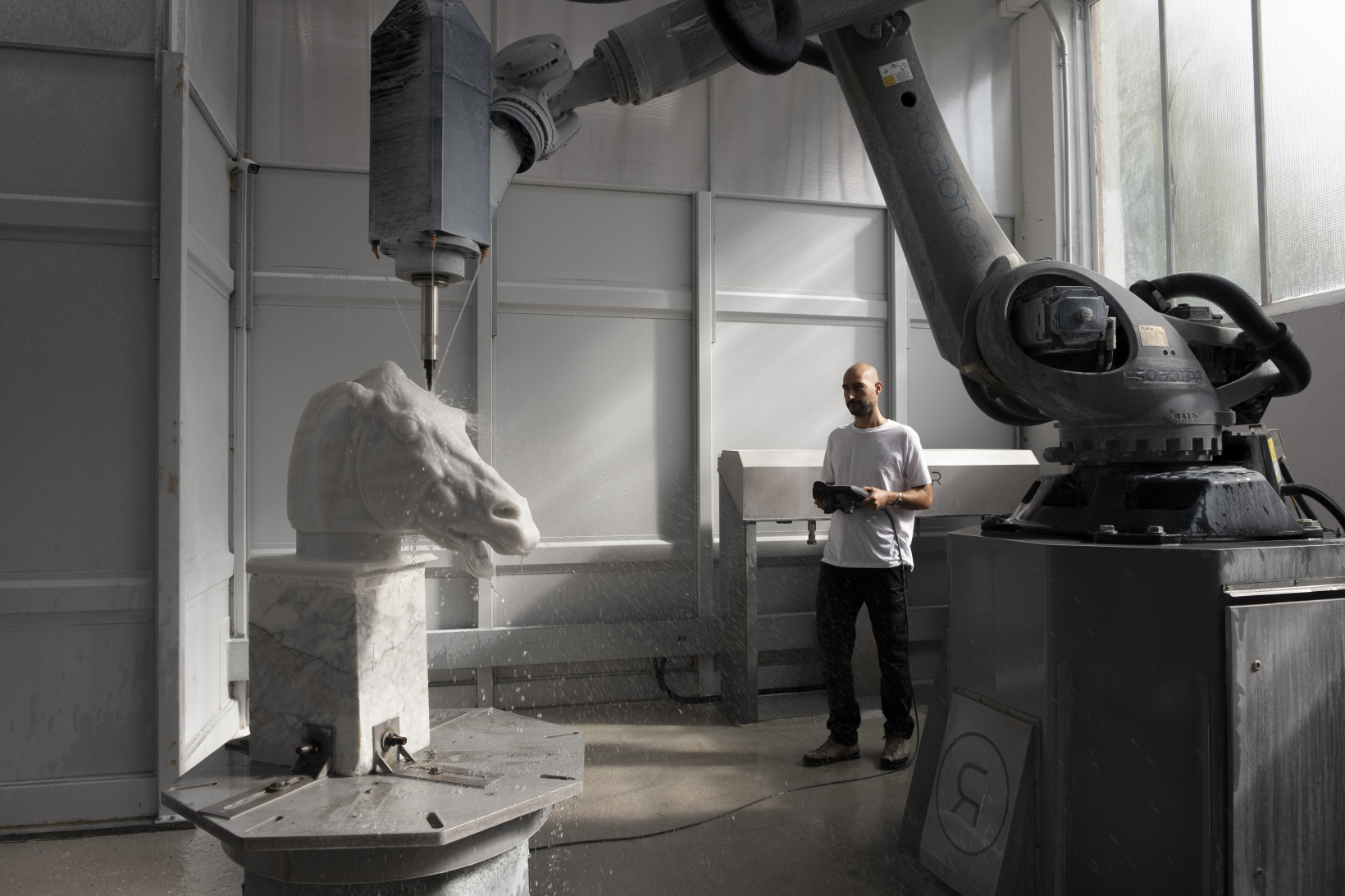
The software takes a 3D model and automatically generates an optimised workflow and tool paths without requiring human intervention.
It then simulates the process internally to identify any potential issues before sending the instructions to the robotic chisel.
This, according to the co-founder, translates into a significant reduction of execution times and expenses.

Despite this fast pace, Robotors sculptors boast an impressive level of accuracy.
And thanks to their self-programming software, Robotors machines are accessible to everyone.
In 2022, the startup made a total of some 400 sculptures.
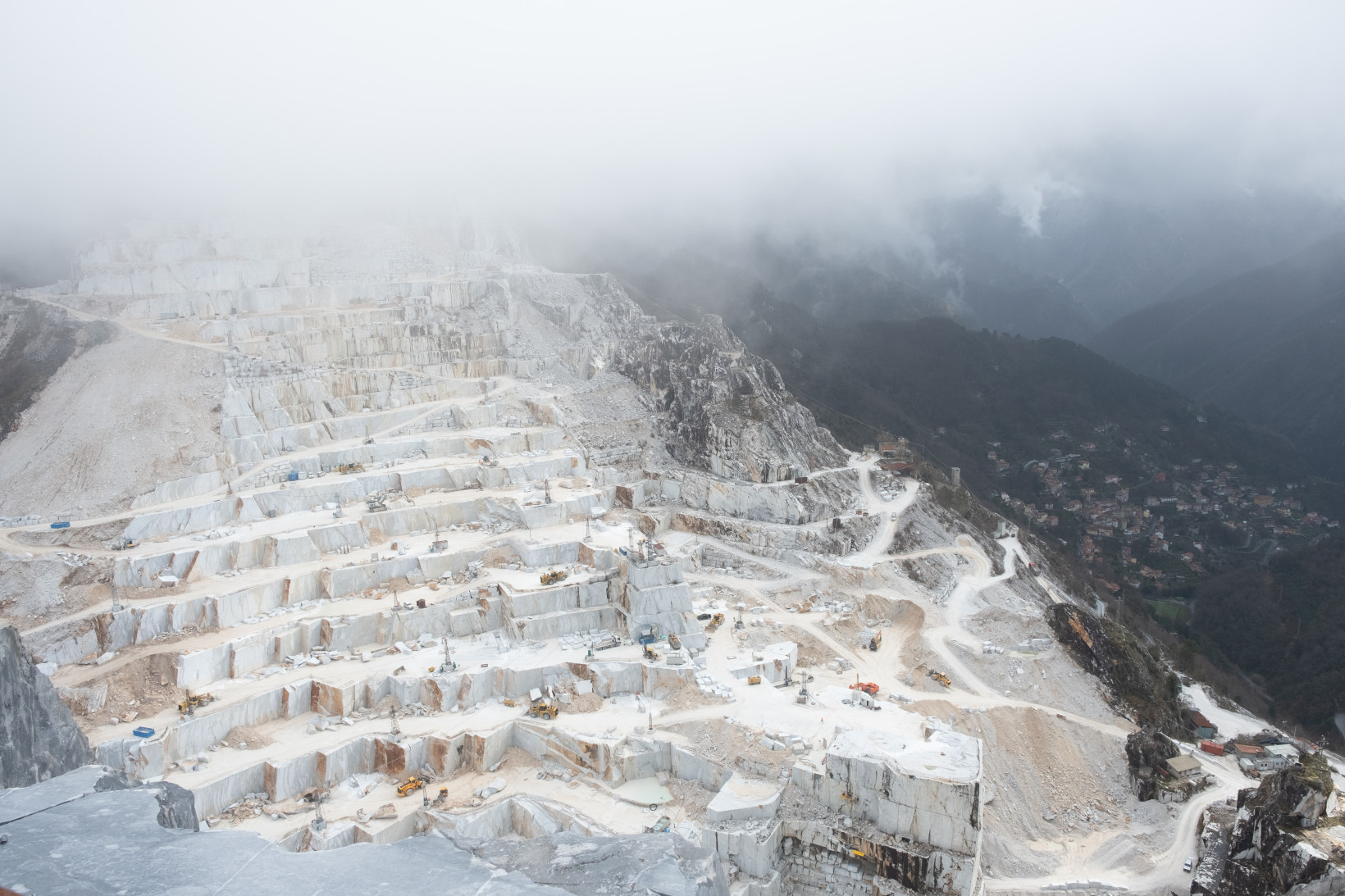
Massari didnt disclose the price of the machines or the cost for commissioning a sculpture.
Human vs robot: who is the real creator?
This bids the question: is there enough space for human agency?
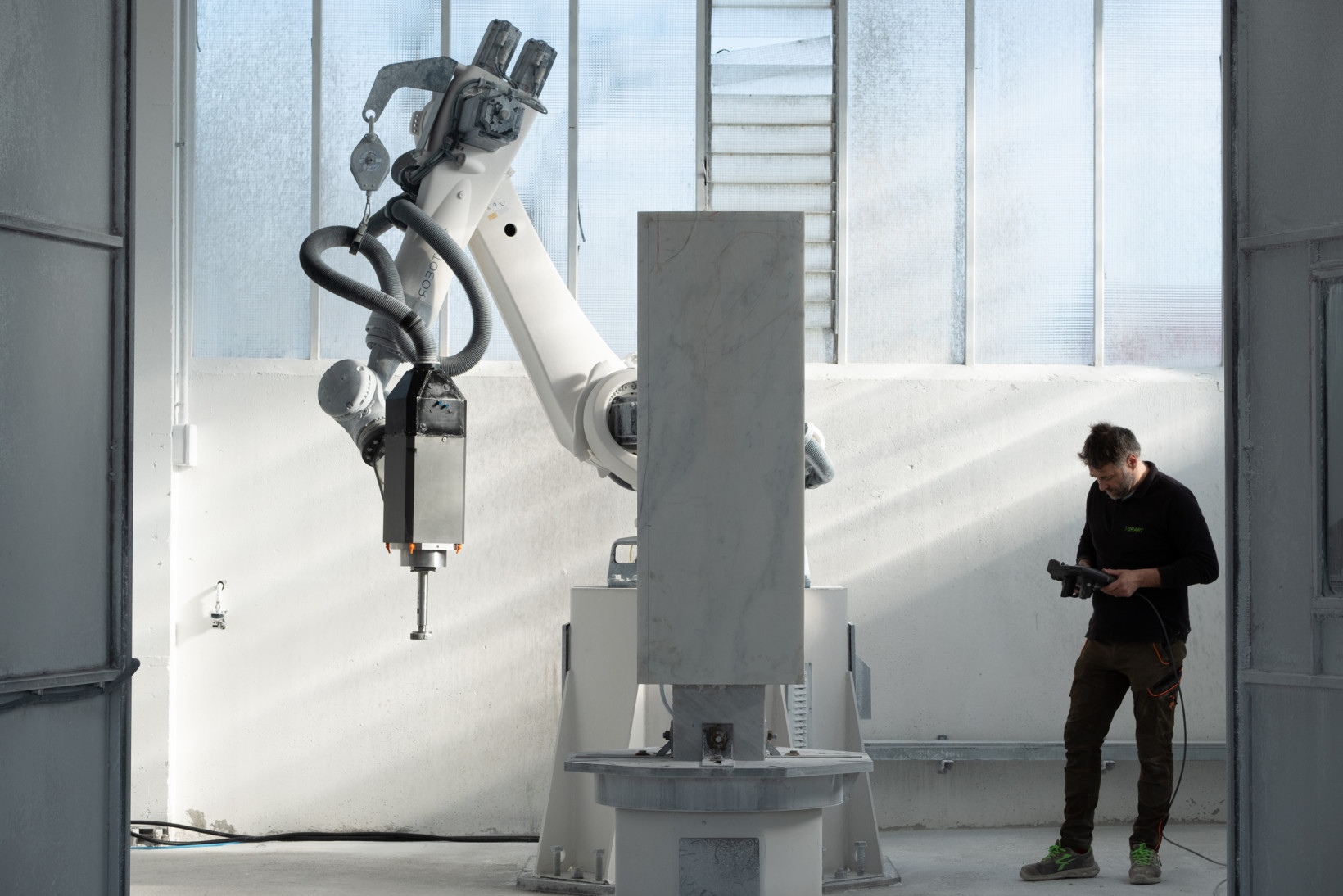
Massaris answer is succinct: the robot will never replace the artist.
It is not a creative, but a mere executor, he emphasises.
This was how Michelangelo operated, and it is how artists operate today, he adds.
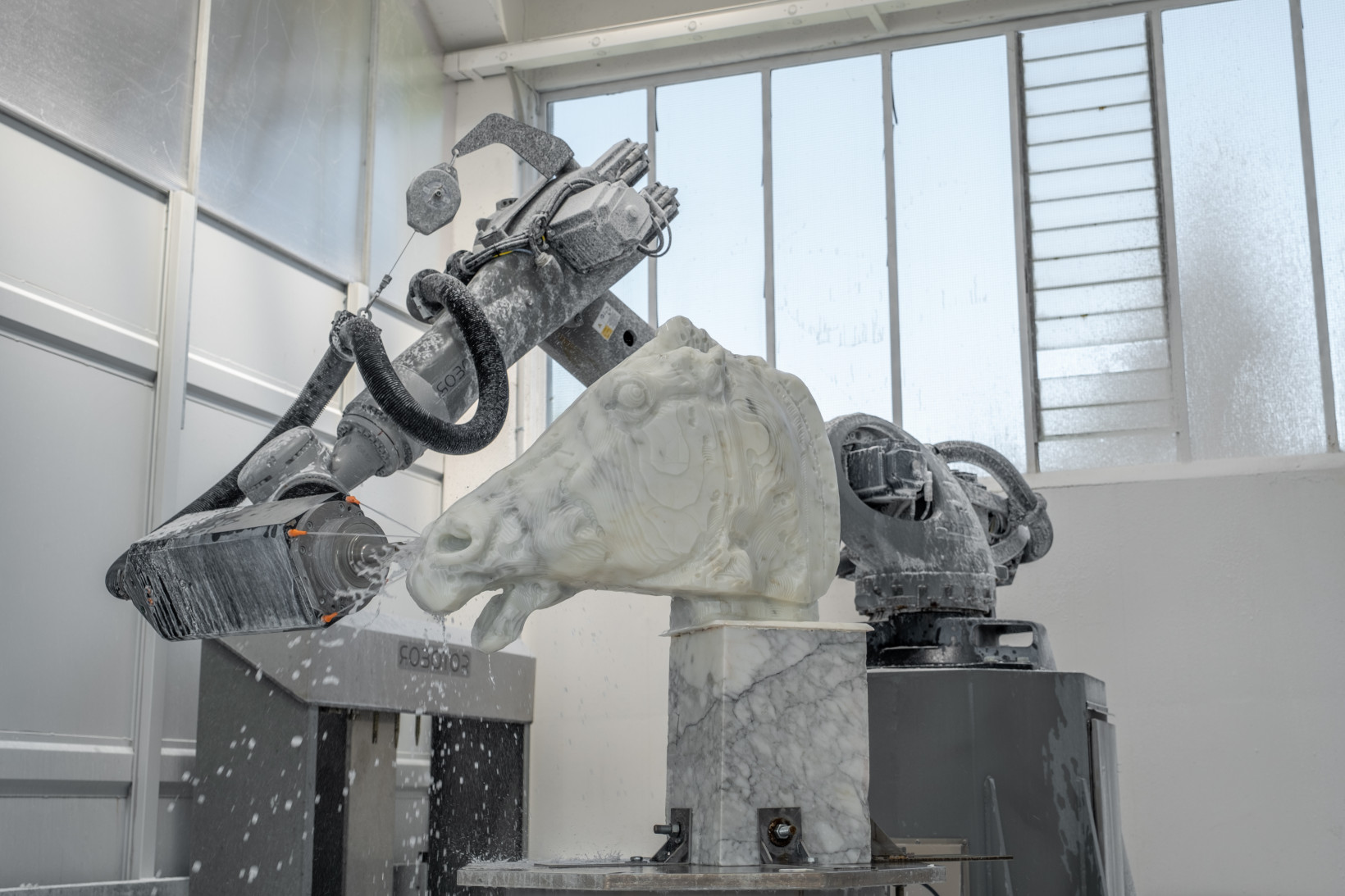
In fact, he explains that the creative process hasnt changed at all.
Sculptors have used clay or plaster sketches for centuries before moving on to marble work.
The history of art is a continuous history of innovations, says Massari.
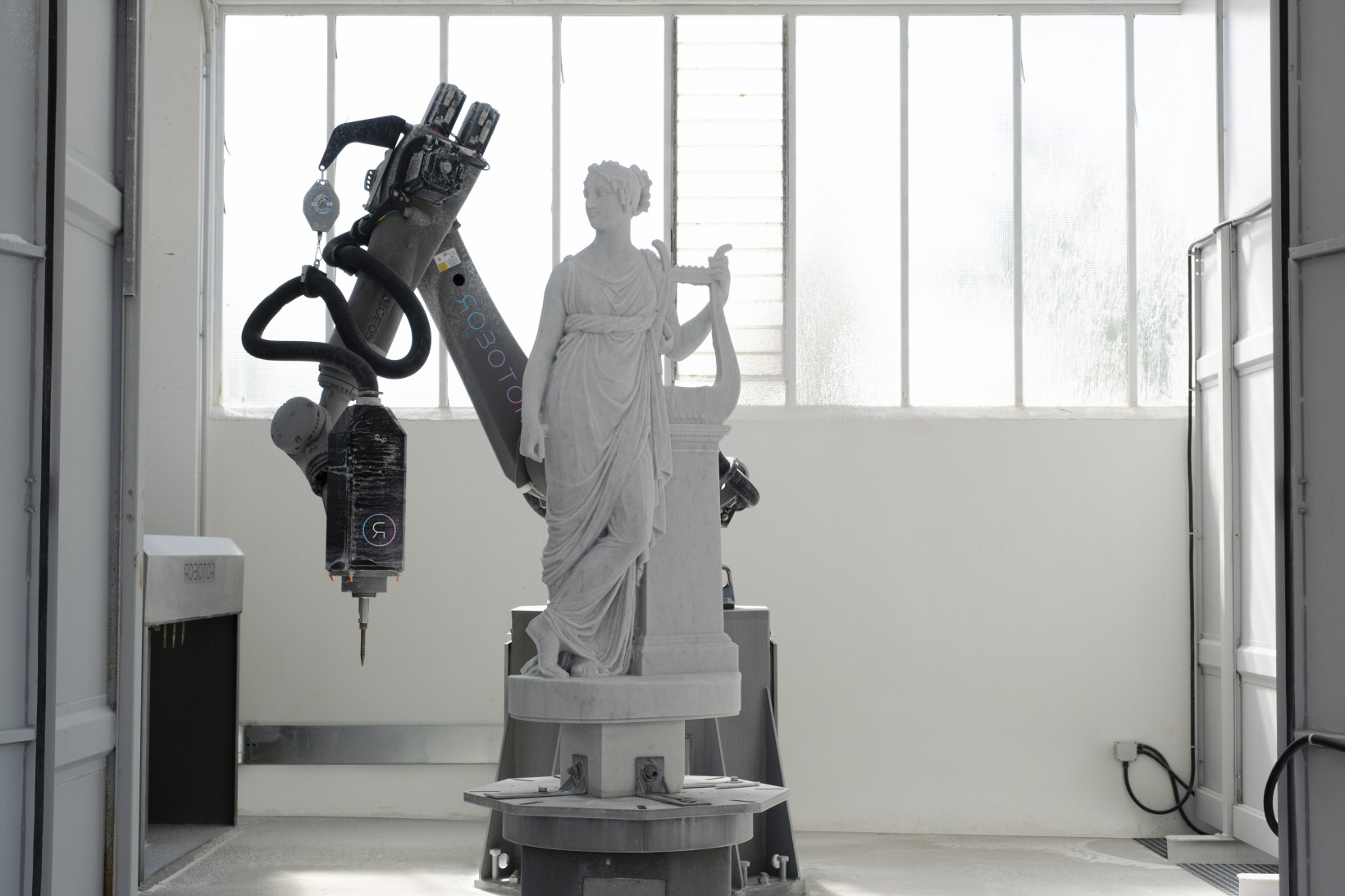
And innovation has always had an impact on the way art is made.
Story byIoanna Lykiardopoulou
Ioanna is a writer at TNW.
With a background in the humanities, she has a soft spot for social impact-enabling technologies.
Also tagged with