3D printed concrete may lead to a shift in architecture and construction.
However, concrete has a significantenvironmental impact.
In general, the construction industry struggles with sustainability.
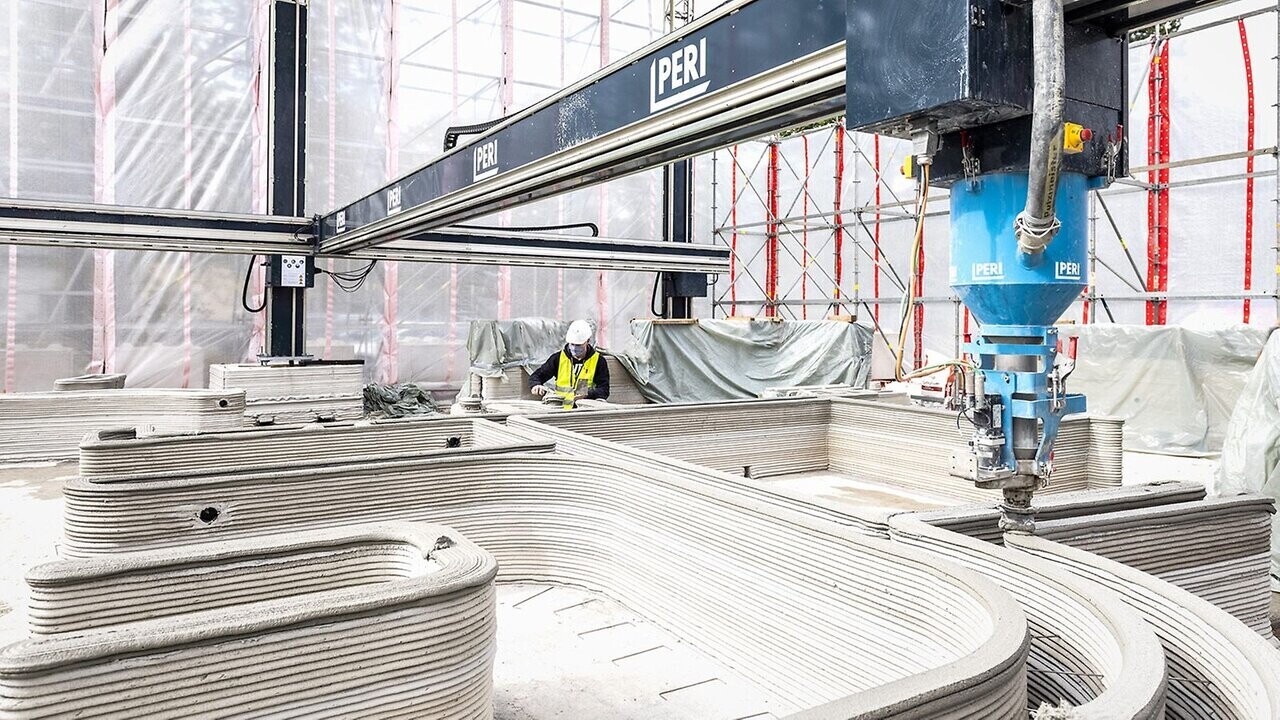
It creates around 35% of alllandfill waste globally.
Ournew researchsuggests a way to curb this impact.
We have trialed using recycled glass as a component of concrete for 3D printing.
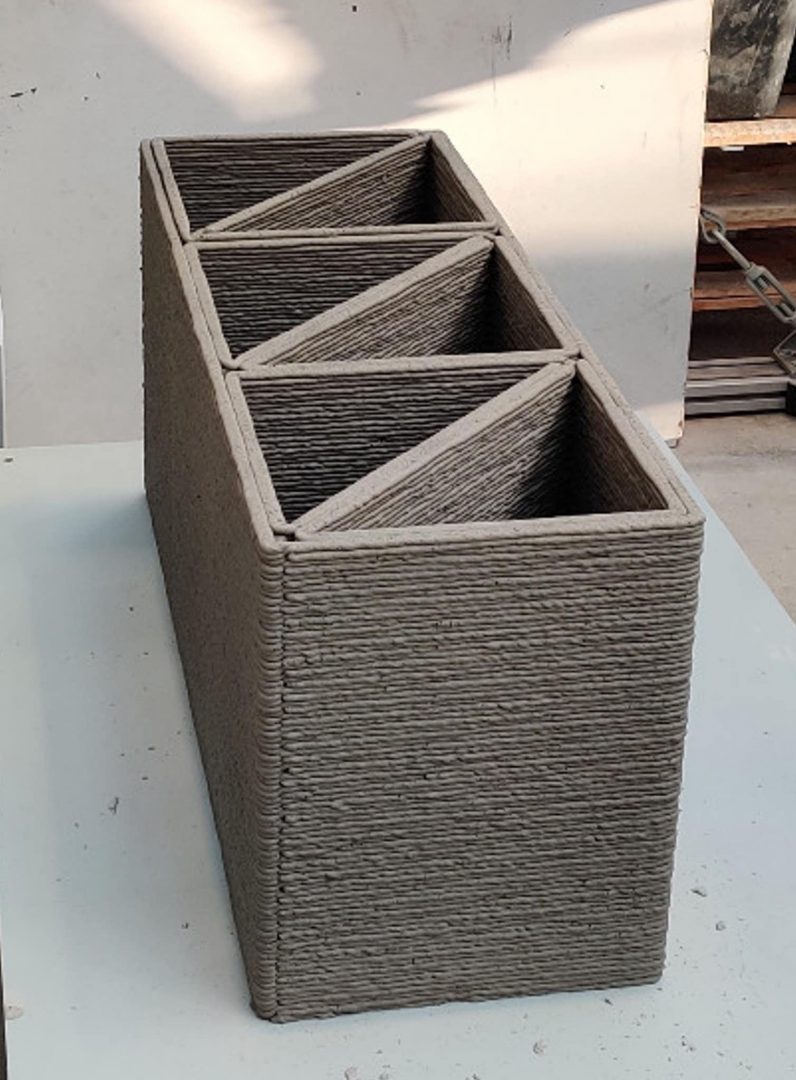
Concrete is made of a mix of cement, water, and aggregates such as sand.
We trialed replacing up to 100% of the aggregate in the mix with glass.
40% off TNW Conference!
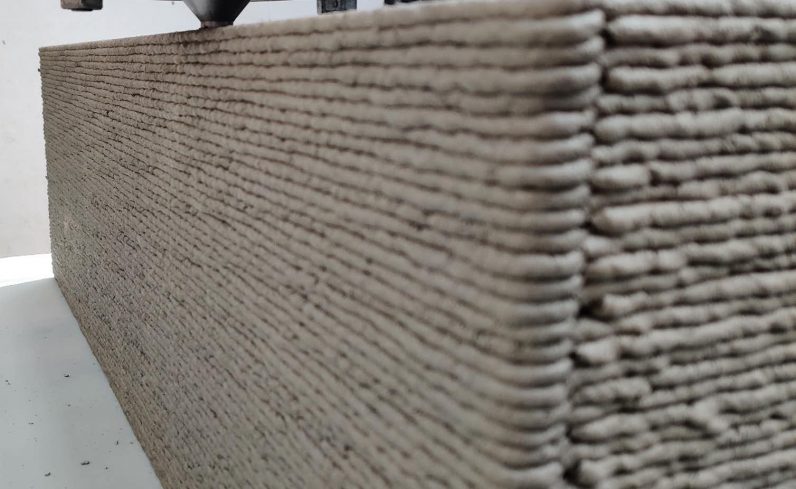
In 2018 in the US only a quarter of glass was recycled, with more than halfgoing to landfill.
Building better
We used brown soda-lime beverage glass obtained from a local recycling company.
The resulting particles were smaller than a millimeter square.
The crushed glass was then used to make concrete in the same way that sand would be.
This means that concrete containing recycled glass has better insulation properties.
They could substantially decrease the costs required for cooling or heating during summer or winter.
The cement production industry accounts for around 8% ofall carbon dioxideemissions in the environment.
Limestone is less hazardous and hasless environmental impactduring its production process than Portland cement.
This further improved the insulation properties of the concrete, and reduced the amount of raw material required.
This article is republished fromThe Conversationunder a Creative Commons license.
