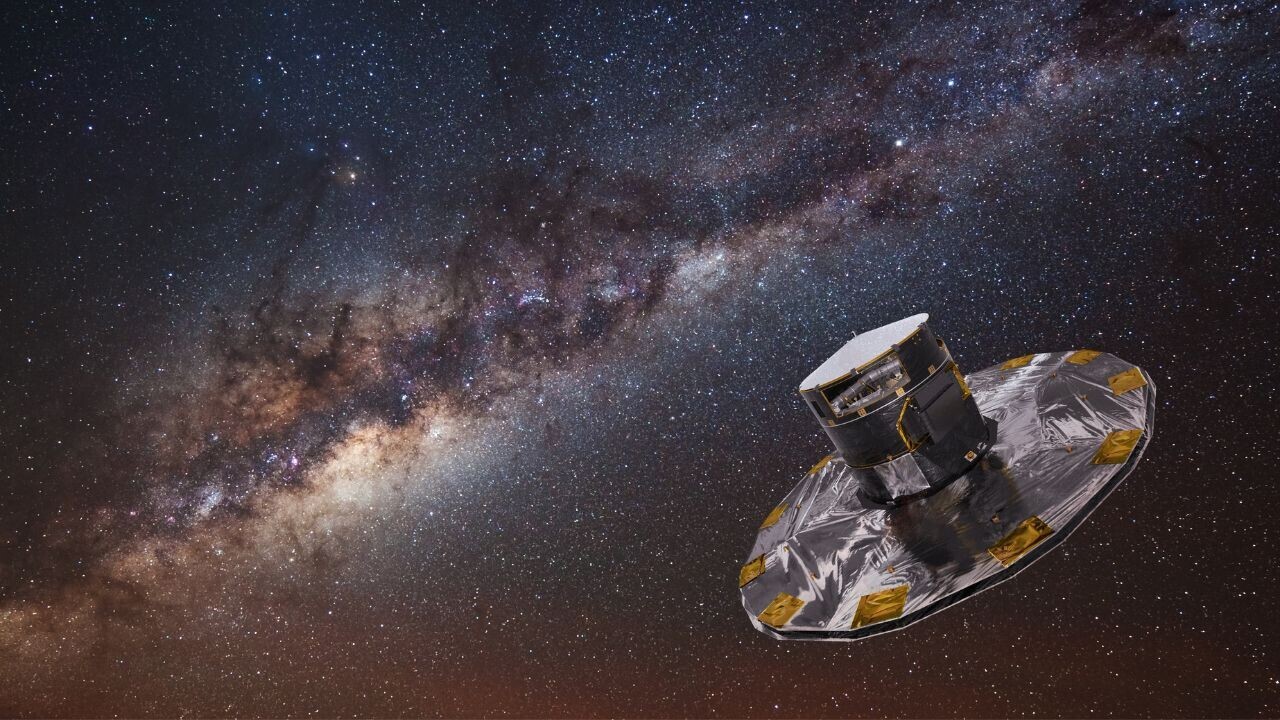
The Gaia spacecraft has unearthed a new treasure trove of secrets about our galaxy and beyond.
The new release fills in some big gaps in the maps.
It’s free, every week, in your inbox.
Regions that are densely packed with stars required particular attention.
One notable example is globular clusters.
Telescopes, however, struggle to scrutinise their bright cores crammed with stars.

To find new jigsaw piexes in the puzzle, Gaia targetedOmega Centaurithe largest globular cluster thats viewable from Earth.
Typically, the spacecraft would focus on individual stars.
The technique exposed over half a million new stars inspace all within a single cluster.
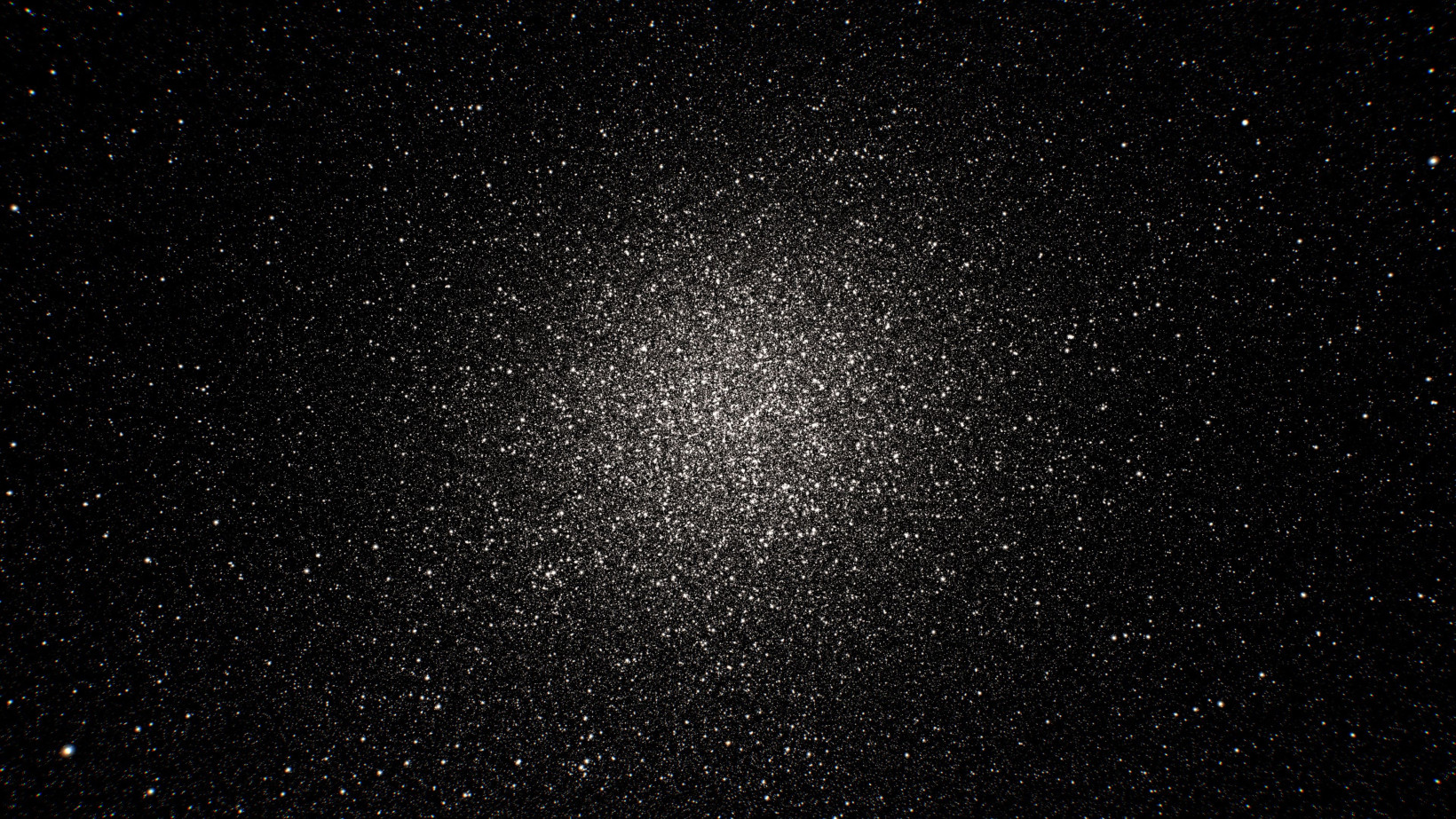
Together, these details could produce a complete large-scale map of Omega Centauri.
In fact, the findings exceed the initial objectives for Gaia.
Gaia is now using the technique to explore eight more regions.
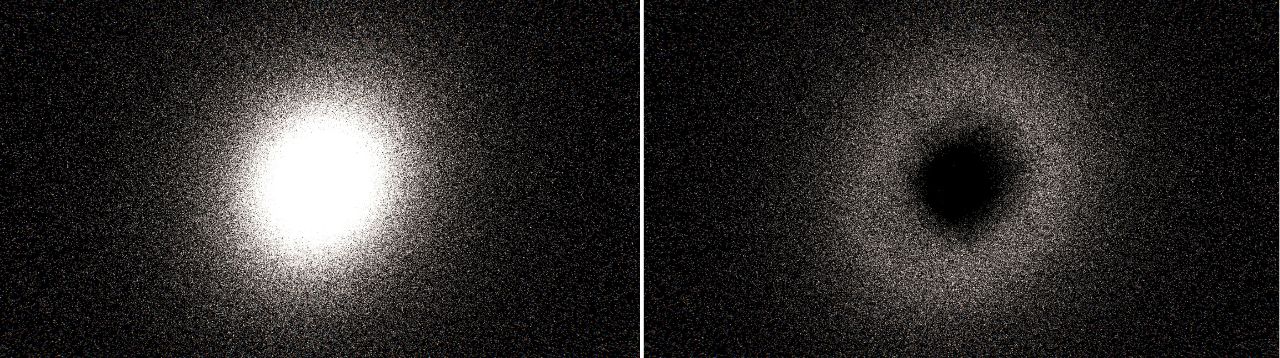
The results will deepen our understanding of what happens in the ancient bodies.
Astronomers could also verify changes to stars and constrains models of galactic evolution.
They could even infer the possible age of the Universe.
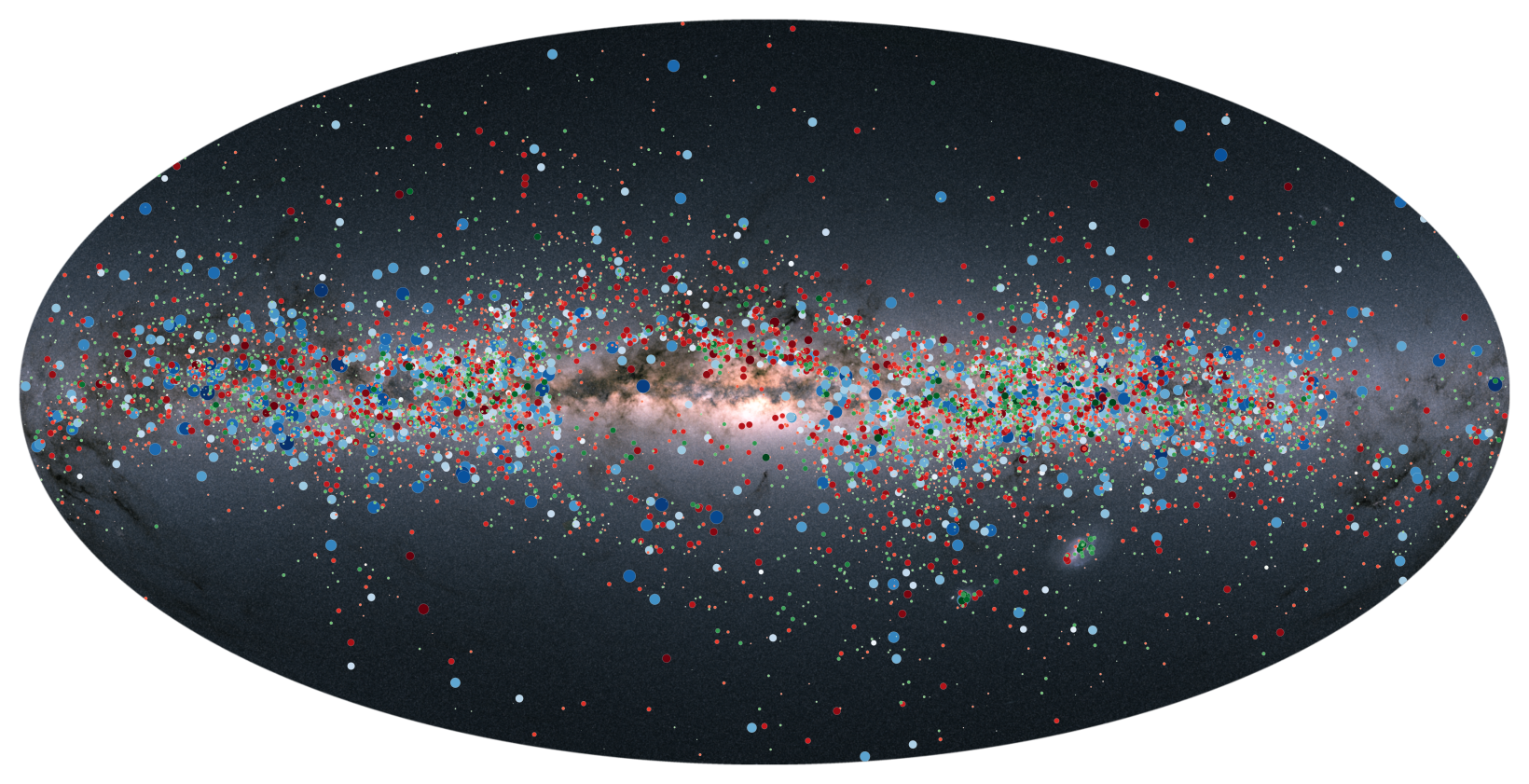
Another new finding from Gaia concernsgravitational lenses.
The mass then creates a multiple-image effect.
By studying the configurations, scientists can uncover new information about the Universes history.
Gaia revealed that certain objects in gravitational lenses arent what they appear to be.
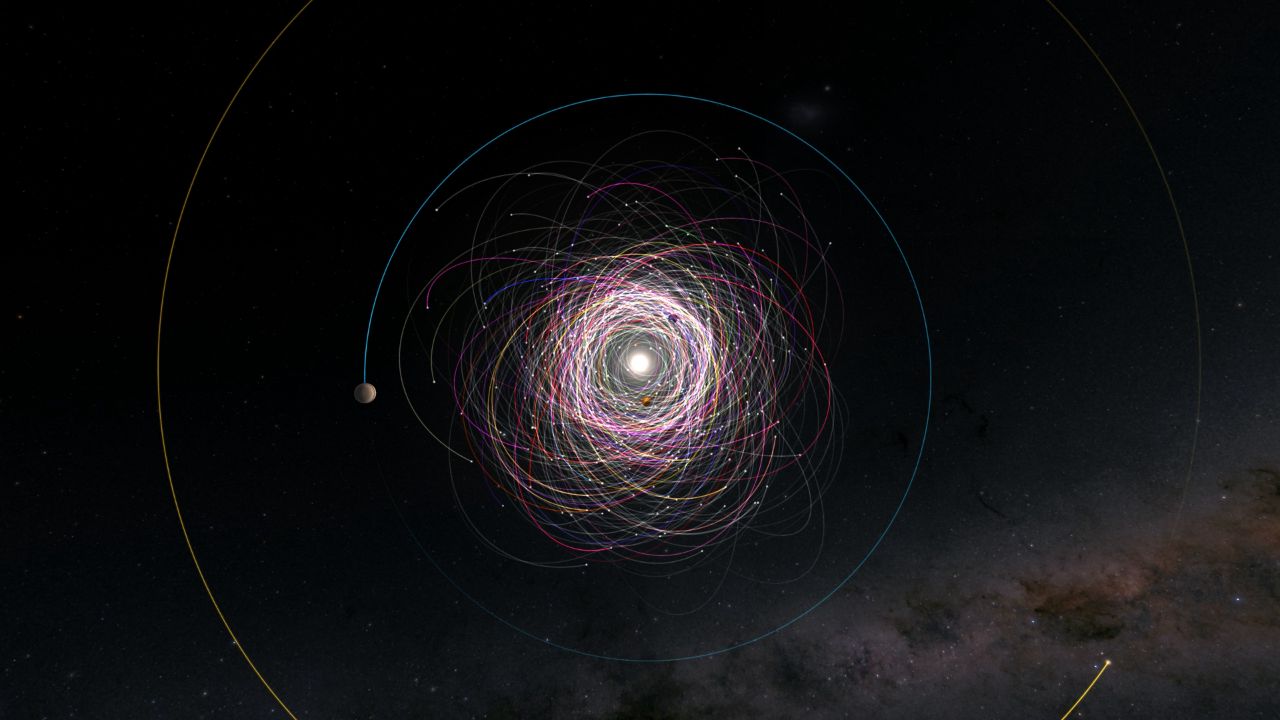
Further studies published today pinpointed the positions of asteroids andmapped the disc of the Milky Way.
Another papercharacterises the dynamics of 10,000 pulsating and binary red giant stars.
Story byThomas Macaulay
Thomas is the managing editor of TNW.
He leads our coverage of European tech and oversees our talented team of writers.
Away from work, he e(show all)Thomas is the managing editor of TNW.
He leads our coverage of European tech and oversees our talented team of writers.
Away from work, he enjoys playing chess (badly) and the guitar (even worse).
