Could this be the answer to Europes energy woes and a path towards energy sovereignty?
And how long would this transition take?
40% off TNW Conference!
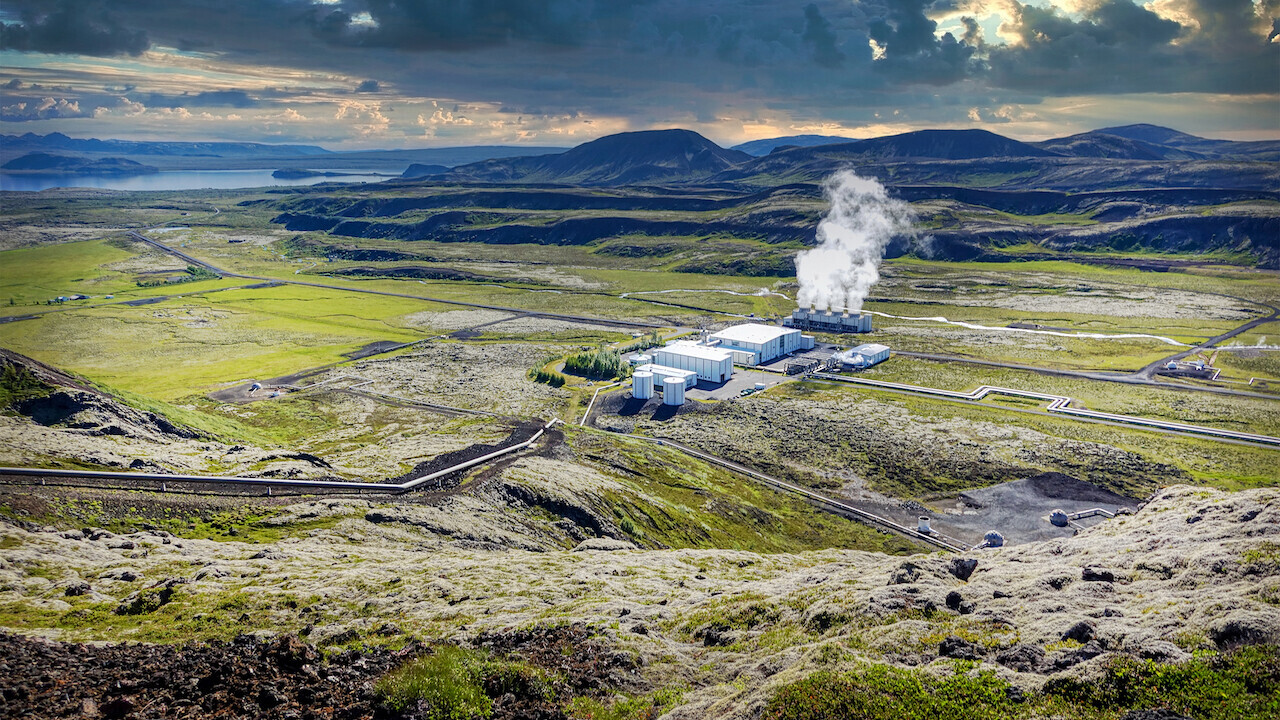
And best of all, once a system is running, it can pretty much just keep going forever.
So why arent we all massively hooked up to deep earth energy juice?
Now, lets first understand a little bit about different kinds of geothermal energy systems.
The ABCs of geothermal energies
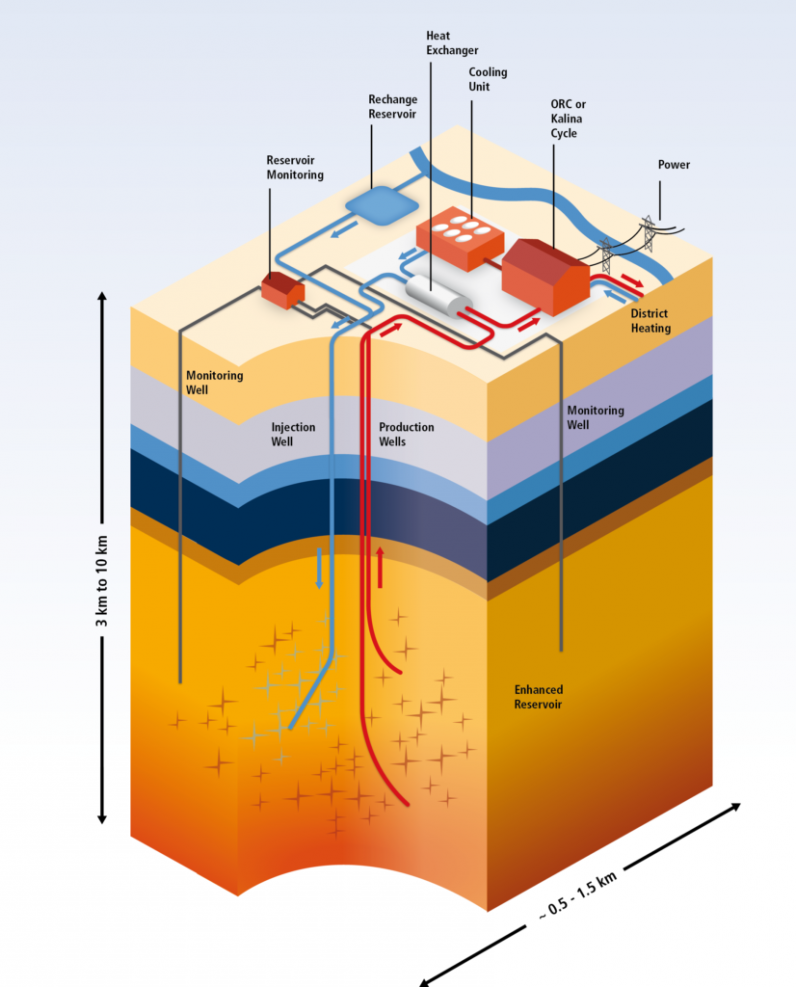
Traditional geothermal energy is the kind you probably remember from high school.
Experts call it an Enhanced Geothermal System or EGS.
Challenges for EGSs
EGSs run into a number of problems though.
First, finding a good place to make a hole that can actually provide some heat is challenging.
Second, drilling to a depth where its hot enough is expensive.
Its not trivial to drill kilometers worth of sediment and rock out of the way at ever-increasing temperatures.
And third, once the hole is there, the energy needs to be utilized, which requires infrastructure.
In 2020, the Netherlands extracted over6 Petajoules of heat from EGS geothermal wells.
This would be enough to heat almost 120,000 homes for a year.
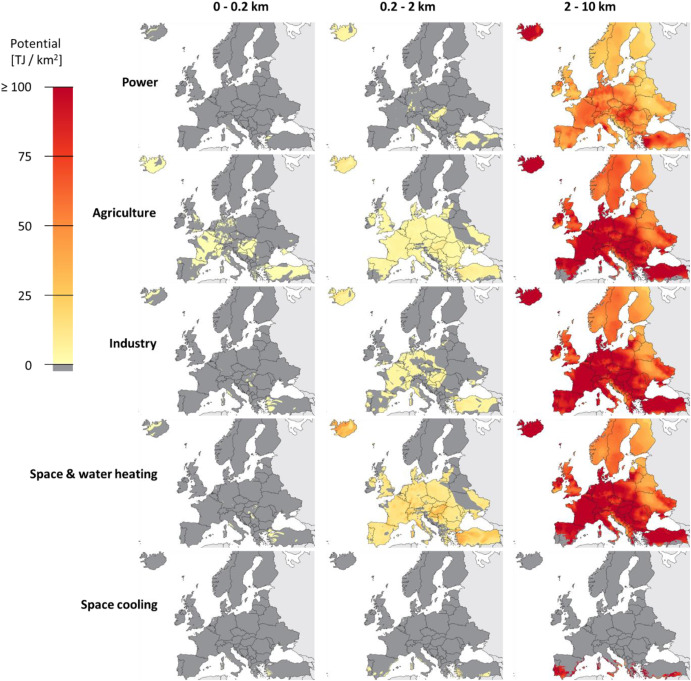
But some of it flows through centralized heating systems to warm whole city blocks.
At the same time, other companies are focusing on other solutions to the problems facing EGSs.
The company will soon betesting its technologyto drill Europesdeepest geothermal well in a mine in Finland.
Closed loop
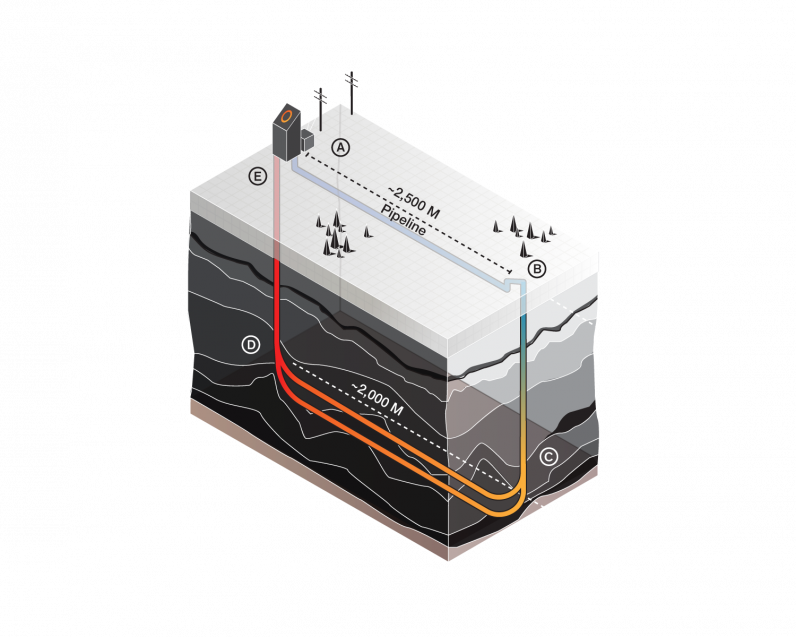
Now, for the creme de la creme of geothermal energy production.
This characteristic gives these systems certain advantages, but also quite a few (new) challenges.
First, theyre not dependent on the makeup of the underground rocks.
This means a system like this can be placed pretty much anywhere.
Cold water going down pushes the lower-density hot water up, which basically eliminates the need for a pump.
Obviously, achieving this panacea of free-flowing energy is not easy.
The wells have to connect, requiring more complicated drilling techniques.
And, as with EGS, new projects face resistance from locals and miles of red tape.
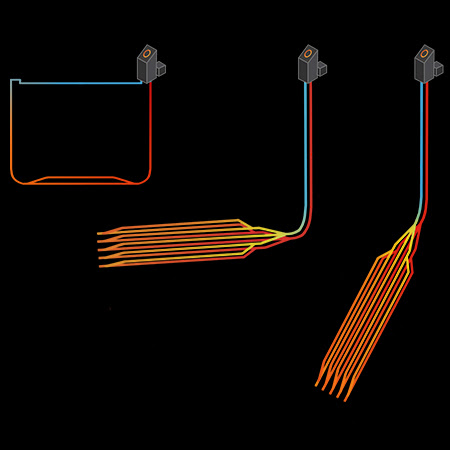
But companies are slowly overcoming these hurdles.
Effectively, its shaped like a radiator.
While obviously not indicative of the long-term price, natural gas went over 250 euros per MWH this week.
Weve still got a ways to go for geothermal heat or energy sources to be ubiquitous.
But all signs are pointing towards a bright future for hot earth juice.
