A supermarket deep in rural Germany had a problem.
The kids were motivated but inexperienced, says Avik Mukhija, co-founder of retail techstartupFreshflow.
He declines to reveal the shops exact location.
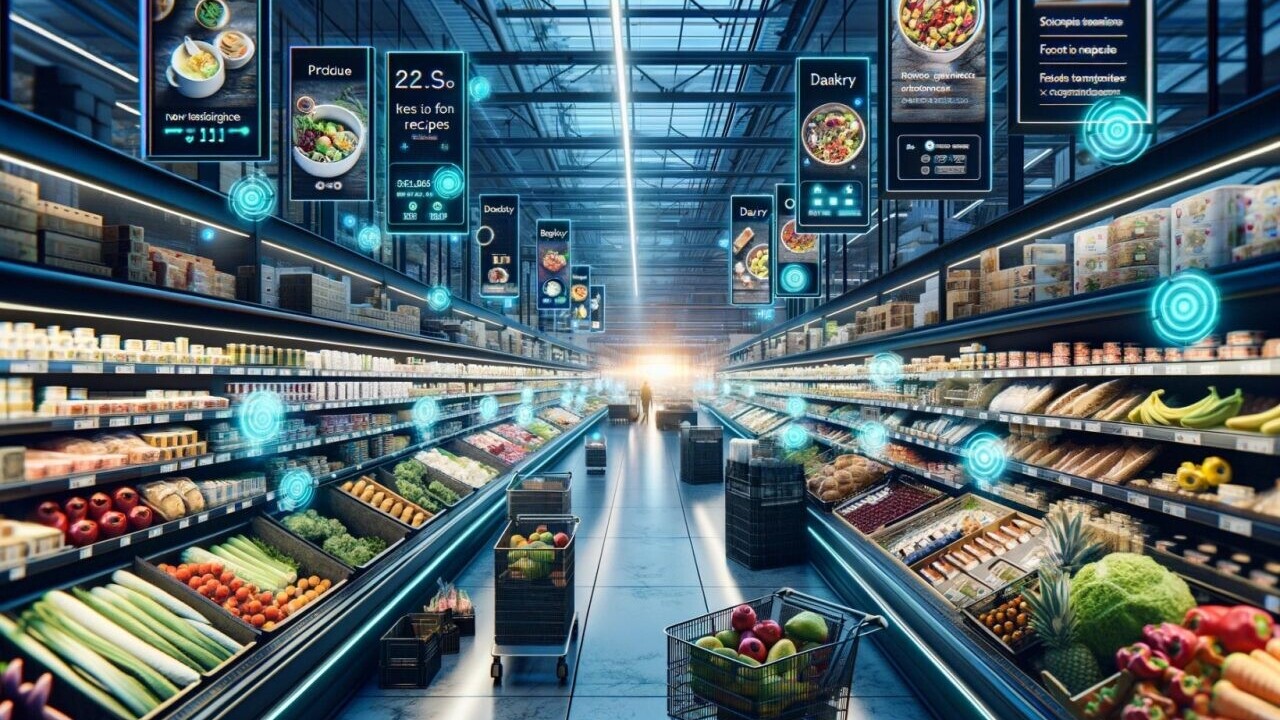
That led to unnecessary waste as some unsold produce inevitably went bad in store.
Those are the best waste reduction rates weve achieved so far, says Mukhija.
Freshflow currently employs 15 people and has raised 3 million.

But demand is constantly in flux.
The person ordering fresh stock needs to get their numbers right, every day.
40% off TNW Conference!
The system soaks up any data that Freshflow can get its hands on.
Mukhija claims that they did not design Freshflow to take over the human role of fresh produce manager.
This is something that we feel very strongly about, he says.
We will never replace the fresh produce manager.
We will only enhance their abilities.
Do you smell gas?
Other startups are focusing on how to track the freshness of food automatically.
The sensors detect subtle changes in the atmosphere within those sealed packets as the products age.
Weve spent a long time working on protein because proteins super expensive, says Grell.
It can make people sick.
It smells really nasty when its bad.
The firm is also deploying its technology in the US.
By 2025, Grell aims to have millions of sensors out there in packets moving across food supply chains.
Such a system could also provide a packet-specific estimate of how many days are left before it spoils.
Brandtner mentions that he has worked with large supermarket chain Aldi, for example.
However, he notes that users should treat AI tools with caution.
Mihai Ciobanu is founder and director of Fresh4cast, which currently has a staff of two people.
The firm has raised 800,000 so far.
This ranges from fresh blackberries to prepared soups and salads.
The Fresh4cast system allows users to experiment with what ifs, says Ciobanu.
The supplier might then suggest this approach to their customer, the retailer themselves.
To take an example, say theres a smaller-than-expected harvest of raspberries.
While retailers ultimately decide how much to buy and how to promote it, suppliers can influence that decision-making.
