This article contains graphically sexual language.
Searches in the keyword planner for boys of those same ethnicities also primarily returned suggestions related to pornography.
It’s free, every week, in your inbox.
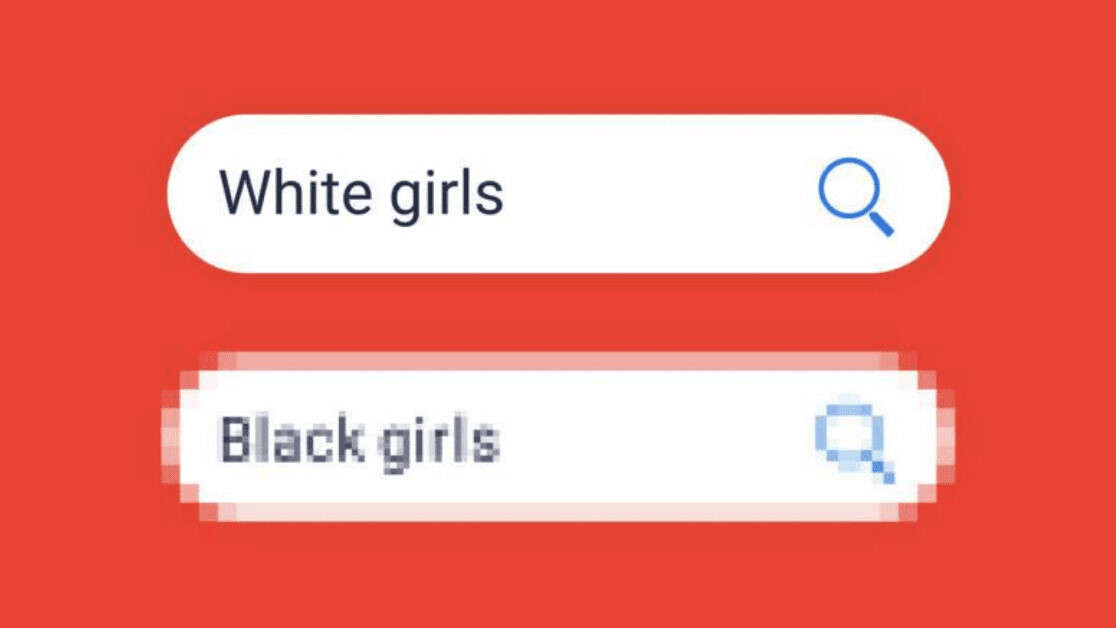
Searches for White girls and White boys, however, returned no suggested terms at all.
Googles Keyword Planner is an important part of the companys online advertising ecosystem.
Google Ads generated more than$134 billionin revenue in 2019 alone.

Weve removed these terms from the tool and are looking into how we stop this from happening again.
Eight years ago, Google was publicly shamed for this exact same problem in its flagship search engine.
Google quickly fixed the problem, though the company didnt make any official statements about it.
Now, a search for Black girls returns links to nonprofit groups likeBlack Girls CodeandBlack Girls Rock.
But the association did not change in the ad-buying portal until this week, The Markup found.
When The Markup entered Black girls into the Keyword Planner, Google returned 435 suggested terms.
Googles own porn filter flagged 203 of the suggested keywords as adult ideas.
Piper Perri is a White adult actress, and Blacked is a porn production company.
Within the tool, we filter out terms that are not consistent with our ad policies, Blackburn said.
And by default, we filter out suggestions for adult content.
Racism embedded in Googles algorithms has a long history.
Google quickly apologized and promised to fix the problem.
Image labeling technology is still early and unfortunately its nowhere near perfect, a company spokesperson told Wired.
We have had a fully staffed and permanent team dedicated to this challenge for multiple years.
Googles algorithms function by scraping the web.
There is just not enough editorial content being created that they can crawl and showcase, she said.
Google, she said, should change its Keywords Planner algorithm.
Google has been doing search for 20 years.
They dont know how to fix it.
This article wasoriginally published on The Markupby Leon Yin and Aaron Sankin and was republished under theCreative Commons Attribution-NonCommercial-NoDerivativeslicense.
