You might have noticed your normal sleep pattern has changed.
Some of us may be sleeping more, and some of us may be sleeping less.
It controls body temperature and hormones so that make us feel alert during the day and tired at night.
Exposure tonatural lightand regularmealtimesare two of the most powerful forces in aligning our circadian rhythms.
Cortisol normally drops in the evening, reaching its lowest level at midnight.
But if levels are too high before bedtime, itcould disrupt sleep.
40% off TNW Conference!
Sleep debt (also known as sleep deprivation) is associated with declines inperformance,memory, and ourimmunity.
The solutions
1.

Establish a new routine.You may have been furloughed or be working from home for the first time.
Routine is very important for the body right now.
Though everyone is different, you should aim for7-9 hoursa night.
Not only is routine good for our sleep cycle, but its alsobeneficial to our mental health.
This will help you to relax and prepare for sleep.
Electronic devices also emit artificial light that can influence oursleep cycle.
Artificial light can trick your circadian clock into thinking daylight has been extended and alter ourquality of sleep.
If you need electronic devices nearby, place them in night mode.
However, if your previous nights sleep was poor you may feel more tired after lunch.
Short naps less than 20 minutes can help to restorecognitive functionand may make you feel lesssleepy.
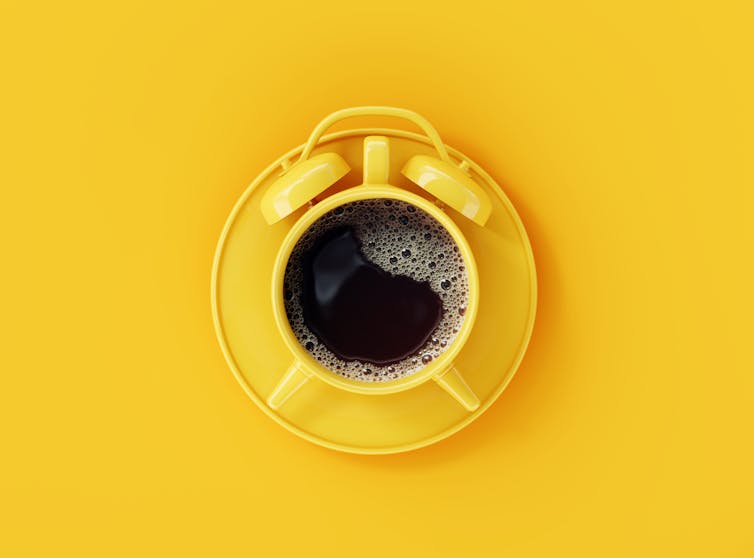
Only drink caffeine before noonWe all respond a little differently to caffeine.
Because caffeine is a known stimulant, it couldinfluence our sleepby keeping us awake later.
attempt to drink your coffee before noon.aanbetta/ Shutterstock
5.
ExerciseBoth aerobic and resistance exercise has been shown to havepositive effects on sleep.
However, timing is important.
Change your bedtime routineAt leastan hour beforebed stop work, reduce screen time, meditate, or read.
This article is republished fromThe ConversationbyLesley Ingram-Sills, Lecturer,Edinburgh Napier Universityunder a Creative Commons license.
