What would happen if you stuck your body inside a particle accelerator?
To many, this sounds like the plot of a disastrous science-fiction movie.
But physicists argued that the idea was absurd and the lawsuit was rejected.
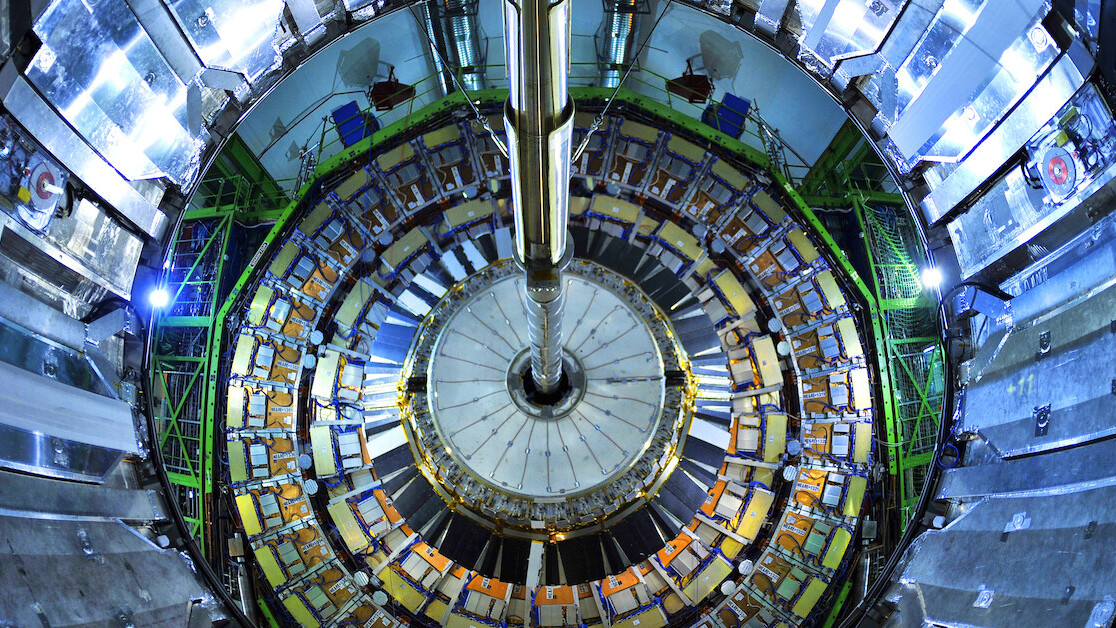
Unlike a NASA probe sent to Mars, CERNs research doesnt produce stunning, tangible images.
Instead, the study of particle physics is best described by chalkboard equations and squiggly lines called Feynman diagrams.
Professor Michael Merrifield put it succinctly: Thats a good question.
I dont knowis the answer.
Probably be very bad for you.
Professor Laurence Eaves was also cautious about drawing conclusions.
Would I put my hand in the beam?
Im not sure about that.
Such thought experiments can be useful tools for exploring situations that cant be studied in the laboratory.
Case studies have a sample size of one and no control group.
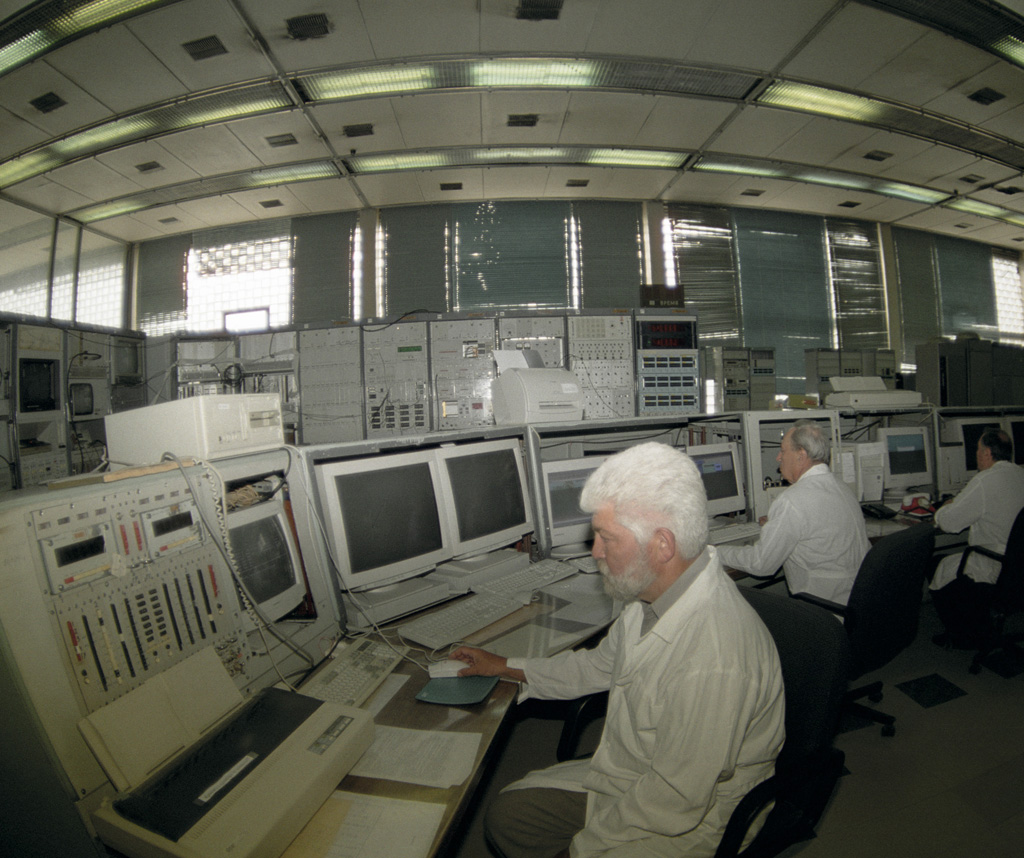
And on 13 July 1978, a Soviet scientist named Anatoli Bugorski stuck his head in a particle accelerator.
Proton radiation is a rare beast indeed.
Ionizing radiation particles such as protons wreak havoc on the body by breaking chemical bonds in DNA.
Cells that divide quickly, such as stem cells in bone marrow, suffer the most.
And yet, Bugorski is still alive today.
Half his face is paralyzed, giving one hemisphere of his head a strangely young appearance.
He is reported to be deaf in one ear.
He suffered at least six generalized tonic-clonic seizures.
Bugorskis epilepsy is likely a result of brain tissue-scarring left by the proton beam.
Bugorski survived his accident.
This article byJoel Frohlichwas originally published atAeonand has been republished under Creative Commons.
