Viruses jumping from animals to humans have been the starting point ofnumerous outbreaks, from Ebola to Zika.
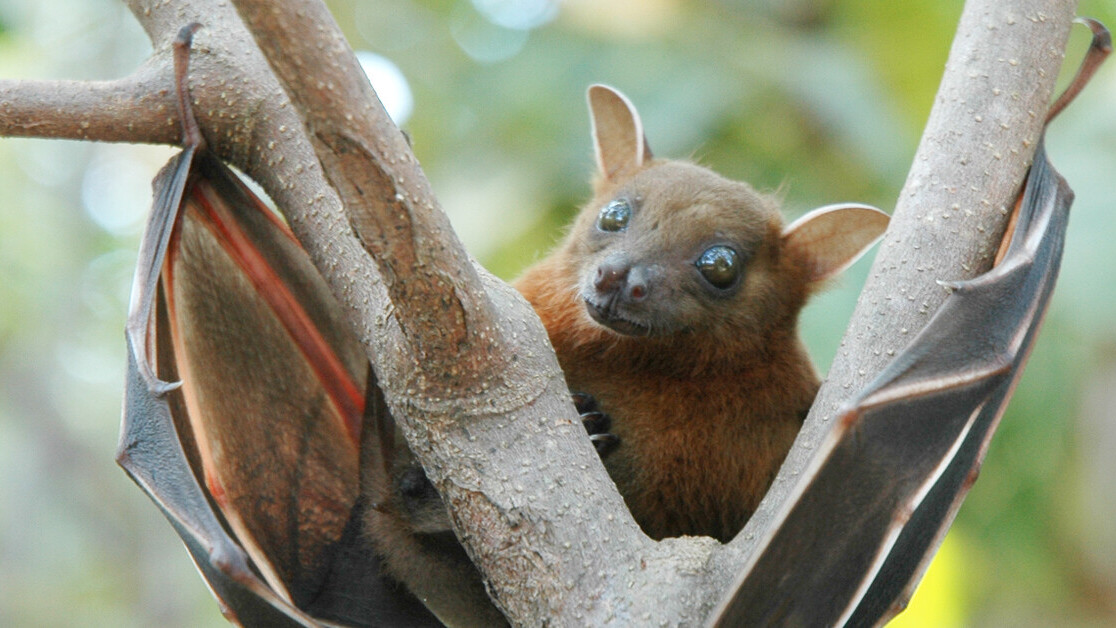
Given thesimilarity of SARS-CoV-2to coronaviruses found in bats, this probably marked the beginning of COVID-19 too.
We know that viruses have passed from animals to humans throughout history, and will continue to do so.
But the factors that influence the geographical origin of these events is less clear, despite being highly important.
But identifying a viruss origin is sometimes difficult.
Given this, where should we be looking for the virus that might cause the next epidemic?

[Read:Are EVs too expensive?
It’s free, every week, in your inbox.
Generally, viruses emerge where humans and animals that carry viruses intersect.
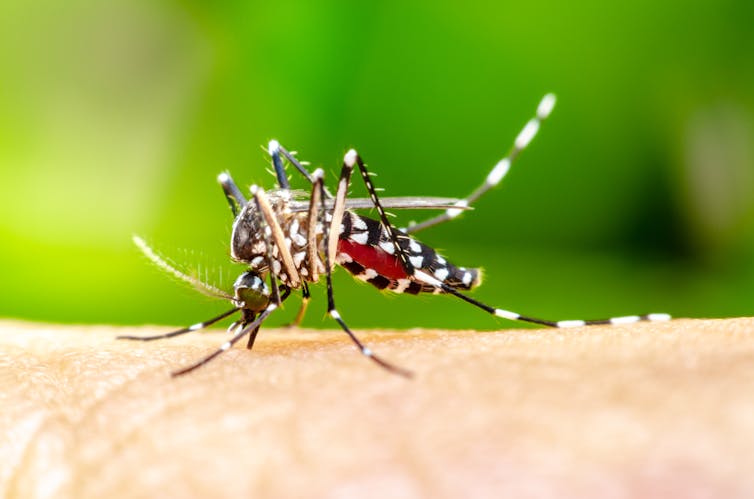
Humans are exposed to viruses all the time.
Most of these exposures lead to a dead-end infection, where the virus isnt passed on.
This isnt the case.
And while we dont hear much about viruses emerging from South America, it does happen.
TheVenezuelan equine encephalitis virusand theMayaro virushave repeatedly caused outbreaks in South and Central America.
Its only because these diseases havent spread beyond the Americas that they arent more widely known.

Its also often misdiagnosed as dengue fever, meaningthe true number of Mayaro cases isnt being reported.
Humans close to where a virus is endemic dont always show evidence of it emerging, either.
Through regular exposure to the virus, they may not show any symptoms of infection.
In the highly connected world of today, this could behalfway around the globe.
This knowledge is critical to understanding the potential risks in different areas of the globe.
It can also help us unpick what factors make it more likely that viruses will jump into humans.
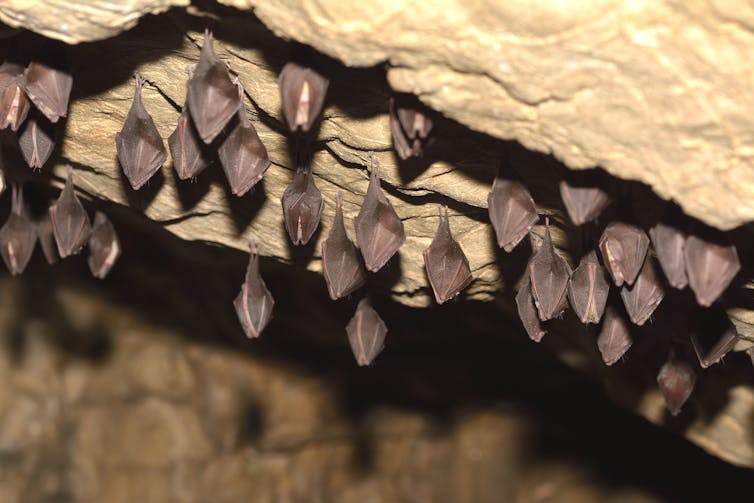
Equally, it could be that thephysiology of batsmakes them excellent virus carriers.
This article is republished fromThe ConversationbyNaomi Forrester-Soto, Reader in Vector Biology,Keele Universityunder a Creative Commons license.
