This time last year, I visited a bustling cafe in downtown Salt Lake City.
I had never been there before, so I decided to go all outbreakfastanda cinnamon rollCarb City.
After trying to catch her eye for almost ten minutes, I felt miffed.

After all, I had stuff to do…
When she finally noticed me, I asked for my check.
Surprisedshocked, reallyI thanked her for the service, gave her a tip and left happier than I arrived.

It’s free, every week, in your inbox.
Later that day, I sat at my computer and thought about my breakfast experience.
I wondered why acts of kindness leave such an impression on people.
Could it be supply and demand?
Are they really so uncommon in the modern world that their value goes up?
I cant speak for everyone, but from my personal experience, the answer seems to be yes.
Its unusual to say hello to strangers on the street or talk to someone on the bus.
This seems odd to me, especially considering the demonstrable benefits of kindness.
Altruism can improve your health and even create physical changes within your body.
Dont believe me?Read onand dont worry, this isnt going to be feel-good mumbo-jumbo.
I have some data for your consideration.
The rewards of kindness
What do you do when you feel down or stressed?
Treat yourself to dinner?
Order an extra drink?
Life is full of stressors that require coping mechanisms.
Each person will have a different set.
Youre lonely, sad or disappointed.
Turning inward isnt going to make you feel better.
Turning outward is a better choice.
In asix-week study, researchers divided 500 people into four groups.
Participants reported their social, emotional and psychological well-being.
Then they were asked to complete different jobs.
Group three performed acts of kindness for themselves (like getting a massage).
Group four stayed in and essentially did nothing.
Six weeks after the experiment ended, the participants filled out the wellbeing assessment again.
The phenomenon these individuals felt can be described as helpers high.
When we do something for others, our brains release dopamine, which makes us feel good.
Being altruistic can improve our mood and mental health.
What happens when companies actually practice what they preach?
Very good things.Whenemployeesand managers are kind to one another, theyre healthier and happier.
HR spends less time on conflict resolution.
Inside your body is something called the Vagus nerve.
This nerve is responsible for connecting positive social contact to good emotions.
When people think and act more compassionately, theyincrease the strength of their vagus nerve.
Youll practice more altruistic behavior, and youll be happier overall.
Luckily, the answer is yes.
Keep that story at the front of your mind as you have opportunities to help others.
Googling the answer
About five years ago,Googlewanted to increase its employees productivity.
To achieve this goal,they studied hundreds of their teamsto figure out what made them successful.
After racking their brains for an answer, they came across a study that tipped them off.
(I know, I know; I also hope they Googled What makes a successful team?)
This study asserted that great teams have average social sensitivity.
As you might have imagined, Google was right.
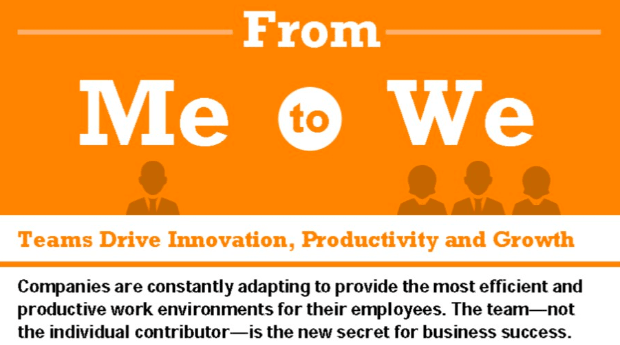
As employees bonded, they were kinder to one another and productivity increased.
Kindness isnt just for the weak or sentimental.
There are clear, empirical benefits to being kind to others, both physically and financially.
Maybe if we start thinking of kindness in business terms, it will stop being such a scarce commodity.
